 how-to
7 Steps to Prepare for Dental Bonding
Quick Summary
To prepare for dental bonding, start with a consultation so your dentist can confirm bonding suits your tooth. Then clean your teeth well, share your medications and health history, and bring questions about shade, durability, and aftercare. Most preparation is practical rather than medical.
- Brush and floss the day before and the morning of the visit.
- Bring a list of current medications and any supplements.
- Tell your dentist about past reactions to dental materials or numbing agents.
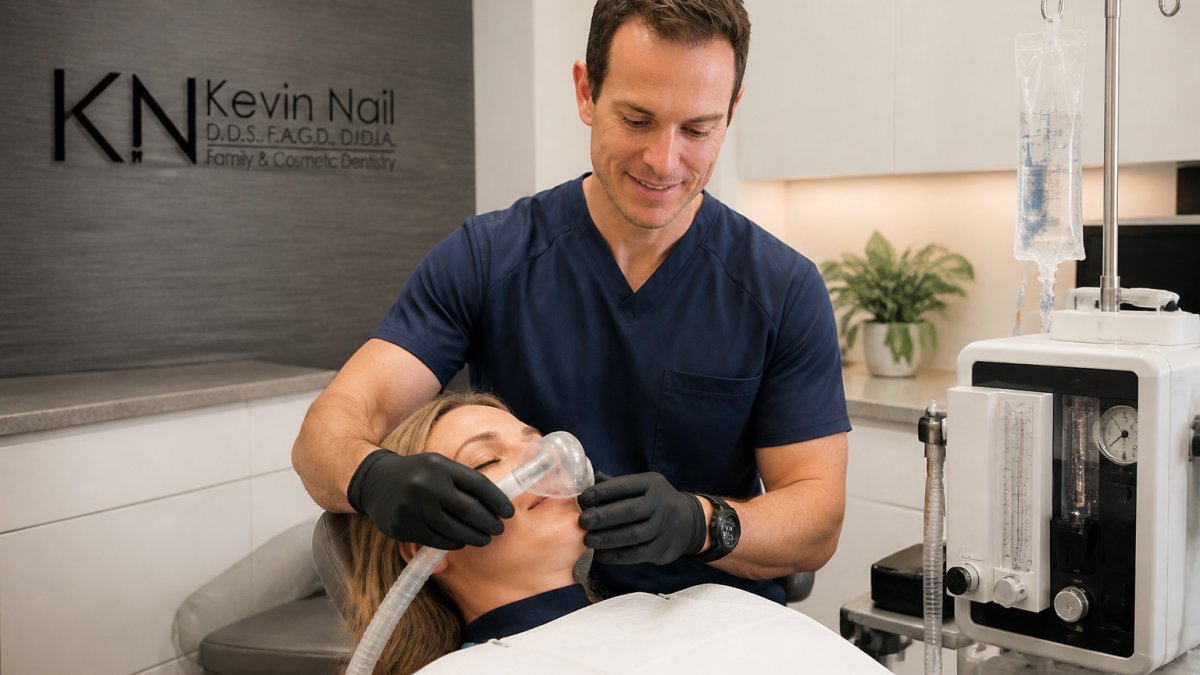
- Ask about sedation options if dental visits make you nervous.
- Do not assume bonding works for large damage or a heavy bite.
Table of Contents
What Dental Bonding Treats and Whether You Need Advance Preparation
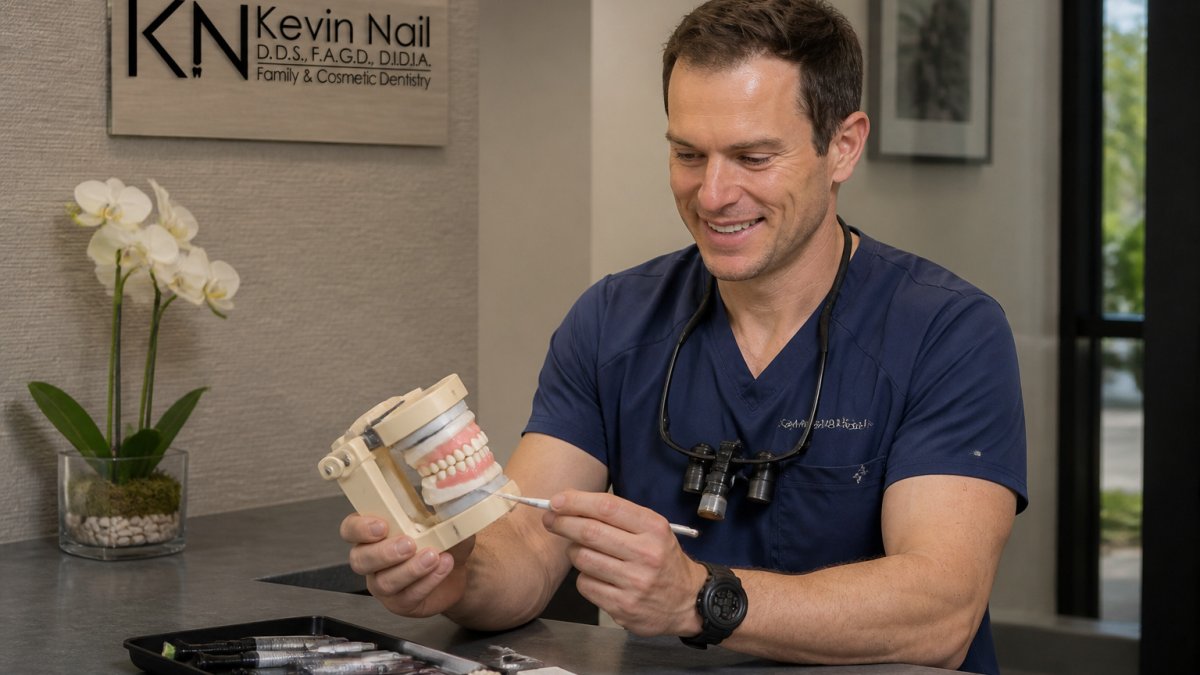
Dental bonding is a cosmetic and restorative procedure where a tooth-colored composite resin is applied to a tooth and hardened with a curing light. It can repair chips, close small gaps, cover minor discoloration, and reshape teeth that look worn or uneven. Because it is one of the more conservative cosmetic options, many patients want to know how to get ready for it.
Most people need only modest preparation. A dental professional usually starts with a consultation and examination to confirm that bonding suits the problem. Advance preparation tends to be practical rather than medical: cleaning your teeth, sharing your health history, and knowing what questions to bring.
Watch out: Do not assume bonding works for every chip or gap. Large damage or a heavy bite may call for a different approach, so ask about options at your consultation.
Dental bonding is also not a permanent fix. The resin can stain from coffee, tea, and red wine, and it can chip under heavy biting force. Knowing these limits helps you set realistic expectations before you book.
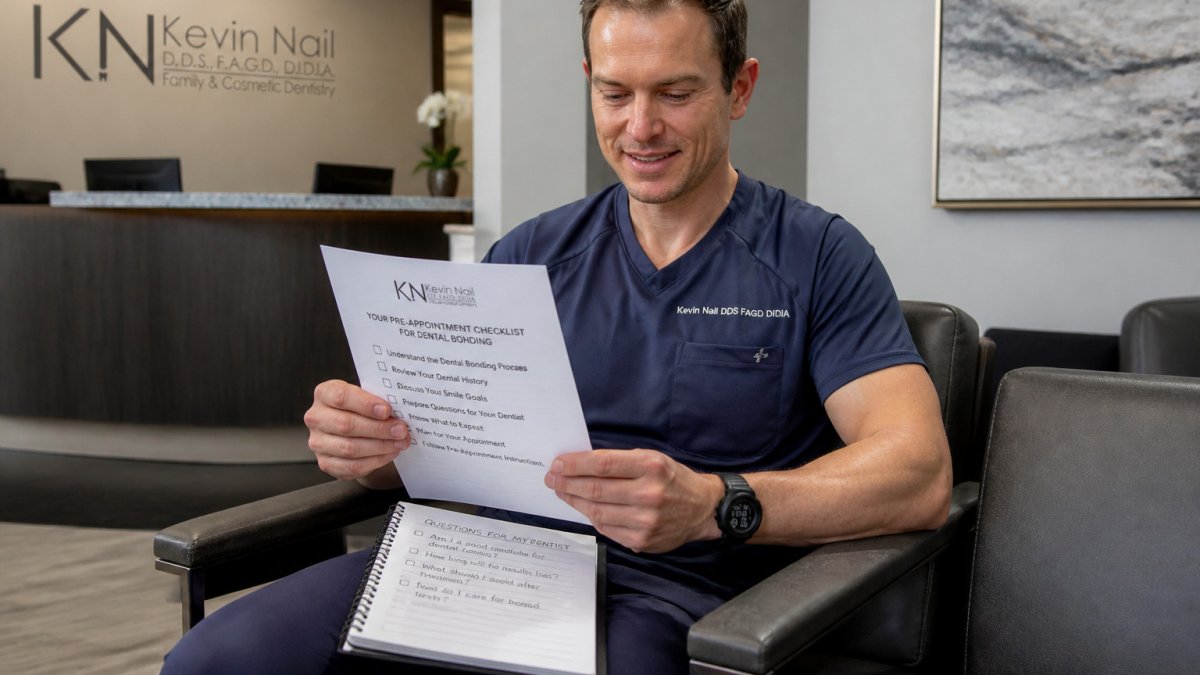
Your Pre-Appointment Checklist for Dental Bonding
A short checklist keeps the day running smoothly. Use it as a starting point and confirm details with your dental team.
- Brush and floss the day before and the morning of the visit
- Bring a list of current medications and any supplements
- Note any past reactions to dental materials or numbing agents
- Bring photos of the tooth or smile you want to change, if helpful
- Write down questions about shade, durability, and aftercare
- Arrange a ride home if sedation is planned
- Eat a light meal beforehand unless told otherwise
Patients who arrive with this information usually spend less time on intake and more time on their actual goals.
Preparing Your Teeth and Oral Health Before the Visit
Clean teeth bond better. Plaque and food debris can keep the resin from adhering to the enamel, so a professional cleaning or thorough home cleaning before the appointment is worth doing. Tell your dentist about any gum tenderness, cavities, or sensitivity, since these may need treatment first.
Anxiety deserves its own plan. If dental visits make you nervous, say so at booking. Options such as a longer appointment, breaks during the procedure, or sedation dentistry may make the visit easier. Some patients also find that practicing slow breathing the night before helps.
Watch out: Do not skip disclosing your medications or medical conditions. Some drugs and health issues change how a dentist approaches numbing, sedation, or tissue care.
Dental Bonding Procedure Steps You Should Expect
Bonding usually follows a predictable sequence. Your dentist will confirm the color, prepare the tooth, apply and shape the resin, and finish the surface.
- Shade selection. The dentist matches the resin to your natural tooth color.
- Tooth preparation. The surface is lightly roughened and conditioned so the resin can bond.
- Resin application. Composite is placed in layers and shaped by hand.
- Curing. A special light hardens each layer.
- Polishing and bite check. The dentist smooths the surface and confirms your bite feels comfortable.
How Long Does Dental Bonding Take and What Affects the Timing
The length of a bonding appointment depends on the case, including how many teeth are involved and how extensive the repair is. Your dental team can tell you what to expect for your specific treatment.
Timing depends on how much tooth needs work, the number of teeth involved, and whether anesthesia or sedation is used. Ask your dental team for an estimate based on your specific case.
Questions to Ask Before Dental Bonding
Bring these questions to your consultation:
- How long will the bonding last, and what could shorten it?
- Which foods, drinks, or habits should I avoid afterward?
- Will I need numbing, and is sedation an option?
- How many visits will the full treatment require?
- What aftercare schedule do you recommend?
Clear answers help you feel confident about the process.
Booking Your Dental Bonding Consultation and Planning Your Aftercare
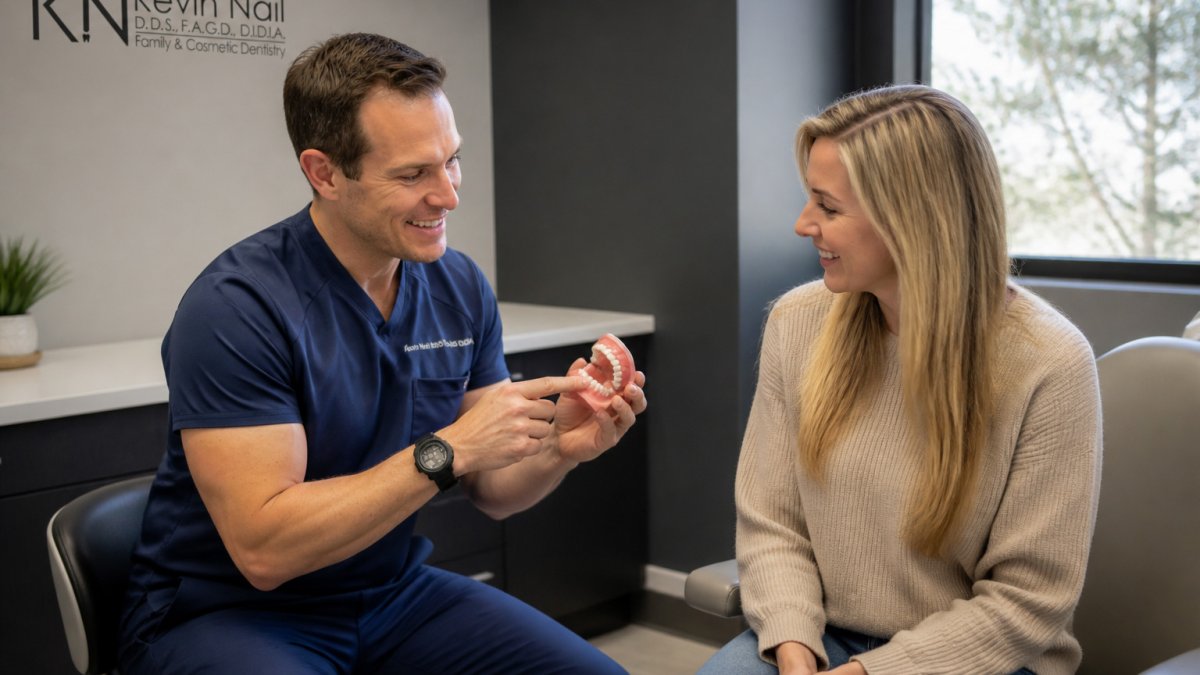
Once you have your checklist and questions ready, call Kevin Nail DDS at 281-550-9054 to schedule a consultation. Our team can review your goals, examine your teeth, and explain your options.
Aftercare matters for how long bonding lasts. Brush twice daily with fluoride toothpaste, floss gently around the bonded area, and limit staining drinks like coffee, tea, and red wine. Avoid chewing ice or hard objects, and see your dentist for regular checkups so small issues are caught early.
Frequently Asked Questions
Does dental bonding hurt? Most patients feel little to no pain because the tooth is usually numbed when needed. Some sensitivity afterward is normal and typically fades within a few days.
How long does dental bonding last? Bonding often lasts several years with good care, though results vary with diet, habits, and bite forces.
Can I eat right after bonding? Most dentists suggest waiting until the numbing wears off and avoiding staining foods for at least 48 hours.
Frequently Asked Questions
Do I need to avoid eating or drinking before dental bonding?
In most cases you can eat normally before dental bonding because the procedure is usually done without anesthesia and does not require fasting. However, if your dentist plans to numb the area, you may be asked to avoid eating until the numbness wears off to prevent accidentally biting your cheek or lip. Your dental team will confirm the specific instructions for your appointment during your consultation. If you plan to have a sedative, follow the fasting rules your provider gives you.
Should I brush my teeth before a dental bonding procedure?
Yes. Brushing and flossing before your appointment helps remove plaque and food debris so the dentist can prepare a clean tooth surface. A clean surface supports better adhesion of the composite resin. Use a fluoride toothpaste and clean between your teeth with floss or an interdental brush. Avoid using a whitening product on the day of the visit, since it can change the surface your dentist needs to bond to.
Does dental bonding require anesthesia?
Dental bonding often does not require anesthesia because the process is usually painless when only the enamel is involved. If the bonding is near the gum line or the tooth is sensitive, your dentist may numb the area for comfort. Tell your dentist about any dental anxiety or sensitivity beforehand so they can discuss comfort options that fit your needs. Whether anesthesia is needed depends on your specific case and should be confirmed at your consultation.
How long does a dental bonding appointment take?
A dental bonding appointment is often completed in a single visit, and the time depends on how many teeth are being treated and how complex the repair is. Preparing the tooth, applying and shaping the resin, curing it with a light, and polishing take time in sequence. Your dentist can give you an estimate based on your treatment plan. Plan for extra time if you also have a consultation or sensitivity concerns that need to be addressed.