 blog
blog
Best Cosmetic Dentist: What to Know
Table of Contents
- What Makes a Best Cosmetic Dentist
- Credentials and Training That Matter
- Common Cosmetic Dental Treatments
- Minimally Invasive Dental Techniques
- Smile Makeover Consultation: What to Expect
- Understanding Cosmetic Dentistry Cost
- How to Choose the Right Cosmetic Dentist
- Patient Comfort and Long-Term Results
- Frequently Asked Questions
Last Updated: September 21, 2026
What Makes a Best Cosmetic Dentist
Finding the best cosmetic dentist means understanding what separates exceptional practitioners from those simply offering cosmetic procedures. A best cosmetic dentist combines technical expertise, advanced training, and a genuine commitment to creating natural-looking results that enhance your smile without compromising oral health.
The difference comes down to three core factors: board certification and specialized training, hands-on experience with diverse smile transformations, and a patient-centered approach that prioritizes your comfort and goals. When a dentist personally performs every procedure rather than delegating to associates, the accountability and precision improve dramatically.
What most guides miss is that credentials alone don't guarantee results. A dentist might hold impressive titles but lack the artistic eye needed for smile aesthetics. Conversely, some practitioners develop excellent technique through years of focused work without formal fellowship training. The best cosmetic dentist typically combines both: formal credentials plus demonstrable results across a range of cases.
Credentials and Training That Matter
Board certification and specialized training form the foundation of cosmetic dentistry excellence, but not all credentials carry equal weight. The American Dental Association (ADA) recognizes cosmetic dentistry as a distinct practice area, though cosmetic dentistry itself is not a formally licensed specialty in all states. This distinction matters because it means you need to evaluate credentials more carefully.
Look for dentists who hold fellowships or diplomate status with organizations that require rigorous continuing education and case review. Fellowship in the Academy of General Dentistry (FAGD) signals commitment to staying current with evolving techniques. Diplomate status with the International Dental Implant Association indicates advanced training in implant placement and restoration, a cornerstone of modern cosmetic work.
Minimally invasive implant dentistry represents one of the most significant advances in cosmetic and restorative work. Training in flapless implant techniques, where the dentist places implants without the traditional surgical flap, requires specialized education beyond general implant training. Dr. Nail holds advanced credentials in this field and serves as a featured lecturer for the Academy of Minimally Invasive Implant Dentistry, making him one of the few practitioners with this level of expertise.
When evaluating credentials, ask how many continuing education hours a dentist completes annually in cosmetic procedures specifically. General dentistry requires continuing education; cosmetic specialists often exceed this significantly. This ongoing education ensures they stay current with digital smile design technology, new material systems, and refined techniques.
Common Cosmetic Dental Treatments
Understanding the primary cosmetic treatments helps you identify which best cosmetic dentist has the expertise your situation requires. Most cosmetic dental practices focus on a core set of procedures, though the depth of experience varies considerably.
Porcelain veneers remain the gold standard for smile makeovers. These thin shells bond to the front surface of teeth, masking discoloration, chips, gaps, and misalignment. A best cosmetic dentist approaches veneers with restraint, preserving as much natural tooth structure as possible while achieving the desired aesthetic. The artistry lies in shade selection, shape design, and ensuring the final result looks natural rather than overly bright or artificial.
Teeth whitening serves as an entry point for many cosmetic patients. Professional whitening delivers results unattainable with over-the-counter products, but outcomes vary based on the bleaching agent used, application technique, and individual tooth structure. A best cosmetic dentist will assess whether whitening alone addresses your concerns or whether combining it with other treatments produces better results.
Dental bonding uses tooth-colored composite resin to repair chips, close small gaps, or reshape teeth. This minimally invasive approach costs significantly less than veneers and requires no tooth preparation in many cases. However, composite bonding doesn't resist staining as well as porcelain.
Invisalign and clear aligners have transformed smile aesthetics by offering discreet orthodontic correction. Unlike traditional braces, clear aligners allow patients to see their smile transformation in real time through digital preview. A best cosmetic dentist integrates clear aligner therapy with other cosmetic treatments to achieve comprehensive smile makeovers.
Dental implants restore missing teeth with results that look, feel, and function like natural teeth. Implant placement requires precision planning and surgical skill. A best cosmetic dentist uses 3D cone beam CT (CBCT) imaging to plan implant position at sub-millimeter accuracy, ensuring the final restoration aligns perfectly with adjacent teeth and sits at the correct gum line.
Minimally Invasive Dental Techniques
Minimally invasive dentistry has fundamentally changed how a best cosmetic dentist approaches restorative and cosmetic work. Rather than aggressively removing tooth structure or tissue, modern techniques preserve what's healthy and intervene only where necessary.
Flapless implant surgery exemplifies this philosophy. Traditional implant placement requires lifting the gum tissue (creating a flap) to access the jawbone. Flapless techniques use 3D imaging to guide implant placement through a small opening without flap elevation. The result: less bleeding, reduced swelling, faster healing, and patients returning to normal activity within days rather than weeks.
Digital imaging and smile design technology enable minimally invasive planning. A best cosmetic dentist uses CBCT scans to visualize bone structure, nerve pathways, and sinus anatomy before surgery. This precision eliminates guesswork and reduces the risk of complications. Digital smile design software lets you preview your cosmetic result before treatment begins, ensuring alignment between your expectations and the dentist's plan.
Bonded restorations represent another minimally invasive approach. Rather than preparing teeth for crowns, a best cosmetic dentist sometimes uses direct composite bonding or minimal-prep veneers to achieve the desired result. This preserves tooth structure and reduces the number of appointments needed.
Sedation dentistry enables minimally invasive treatment for anxious patients. When you're relaxed and comfortable, the dentist can work more precisely and efficiently. Modern sedation protocols prioritize safety.
Smile Makeover Consultation: What to Expect
A smile makeover consultation with a best cosmetic dentist should feel like a collaborative conversation, not a sales pitch. The appointment involves several key steps.
The dentist begins by understanding your concerns and smile goals. Rather than assuming you want the brightest possible teeth or the most dramatic transformation, a best cosmetic dentist asks questions: What bothers you most about your current smile? What do you like that you want to preserve? How do you envision your ideal smile? These conversations reveal whether your expectations align with what's realistically achievable. (Source: Academy of General Dentistry's continuing education requirements)
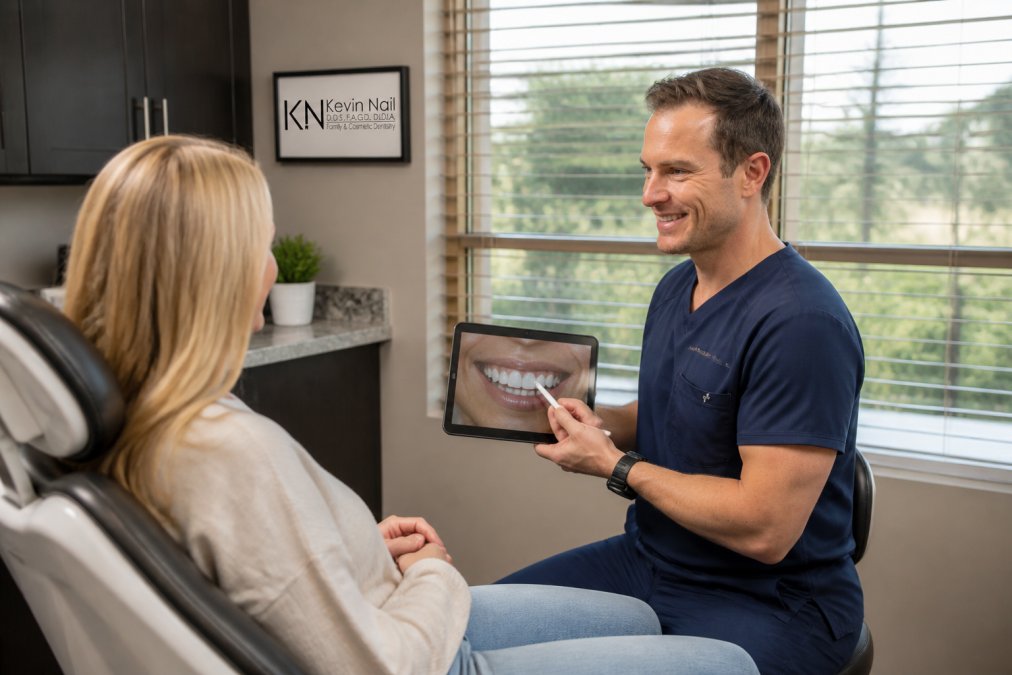
Clinical examination follows. The dentist assesses your teeth, gums, bite alignment, and facial proportions. A best cosmetic dentist considers how your teeth relate to your lips, face shape, and overall appearance. Teeth that look perfect in isolation might appear wrong for your specific facial structure. This holistic evaluation prevents the common mistake of creating a beautiful smile that somehow doesn't match the person wearing it.
Digital imaging and smile preview technology are increasingly standard. The dentist may take photographs or 3D scans, then use software to show you potential results. This visualization helps ensure you and the dentist share the same vision before treatment begins.
Treatment planning comes next. A best cosmetic dentist presents multiple options when appropriate, explaining the pros and cons of each approach. For example, a smile makeover might involve veneers, bonding, whitening, or a combination. The dentist discusses timeline, cost, maintenance requirements, and longevity for each option.
Finally, the dentist addresses your concerns about comfort, safety, and aftercare. This is your opportunity to ask about sedation options, recovery time, and how the practice handles any complications that might arise.
Understanding Cosmetic Dentistry Cost
Cosmetic dentistry pricing varies widely based on the specific treatments, materials used, and the dentist's expertise level. A best cosmetic dentist typically charges more than general practitioners, but the investment reflects superior training, advanced technology, and higher-quality materials.
Several factors influence cost.
Insurance coverage for cosmetic procedures is limited. Most dental insurance plans classify cosmetic treatments as elective and exclude them from coverage. However, many procedures fall into a gray area between cosmetic and restorative.
Financing options make cosmetic dentistry more accessible.
How to Choose the Right Cosmetic Dentist
Selecting a best cosmetic dentist requires more research than choosing a general dentist. You're trusting someone with a visible, permanent change to your appearance, so due diligence matters.
Patient Comfort and Long-Term Results
A best cosmetic dentist understands that the cosmetic journey extends beyond the treatment chair. Patient comfort during procedures and satisfaction with long-term results define the complete experience.
Frequently Asked Questions
What's the difference between a general dentist and a cosmetic dentist?
A general dentist focuses on oral health, cleanings, and basic restorative work. A cosmetic dentist specializes in improving smile aesthetics through procedures like veneers, bonding, and whitening, often with advanced training in smile design. Many dentists do both, the best cosmetic dentist combines cosmetic expertise with strong clinical skills in restorative dentistry and preventative care.
How do I verify a dentist's credentials for cosmetic procedures?
Look for board certification through the American Dental Association (ADA), membership in organizations like the Academy of General Dentistry (FAGD), and specialized training in implant dentistry or cosmetic techniques. Ask about continuing education in cosmetic procedures and whether they use advanced technology like 3D imaging. Request before-and-after photos of their work and patient testimonials to assess their cosmetic results.
Are cosmetic dental procedures covered by insurance?
Most cosmetic procedures like whitening and veneers are not covered by dental insurance because they're considered elective. However, if a procedure has a restorative function, such as implants to replace missing teeth, insurance may cover part of the cost. Contact your PPO insurance provider for details.
What should I expect during my first cosmetic dentistry visit?
Your first visit typically includes a comprehensive dental health assessment, discussion of your smile goals, and a detailed treatment plan. The dentist may use digital imaging or smile design technology to show you potential results. They'll explain each recommended procedure, discuss timeline and costs, and answer your questions about comfort and recovery before any treatment begins.
Finding a best cosmetic dentist means prioritizing expertise, patient comfort, and realistic expectations over cost alone. The right choice transforms not just your smile but your confidence and quality of life. If you're ready to explore what a comprehensive smile makeover could mean for you, call Kevin Nail DDS at 281-550-9054 to schedule your consultation with a dentist who brings advanced training, minimally invasive techniques, and genuine commitment to your results.