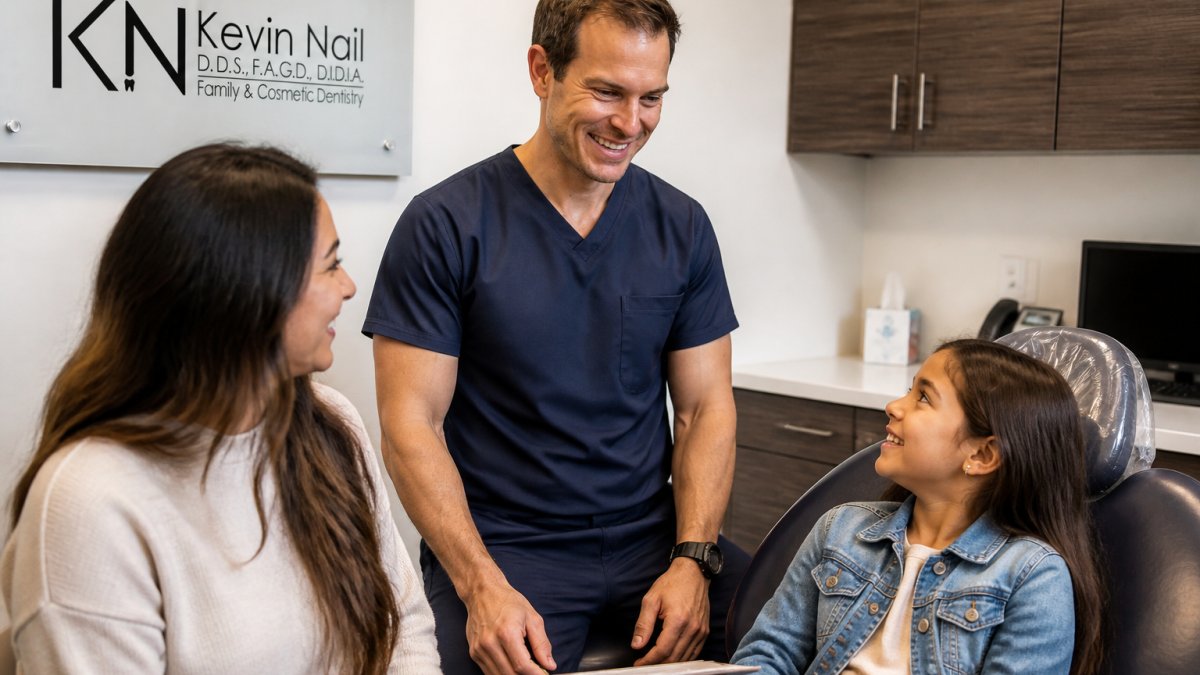
 blog
blog
Copperfield Family Dentistry: Expert Care for All Ages
Table of Contents
- Comprehensive Family Dentistry Under One Roof
- How to Choose a Dentist for Your Entire Family
- General Dentistry and Preventative Care
- Restorative Dental Care and Advanced Implant Solutions
- Cosmetic Dentistry Services for Your Smile
- Benefits of Private Dental Practice
- Managing Dental Anxiety with Sedation Options
- Same-Day Emergency Dental Care
- Frequently Asked Questions
Last Updated: September 29, 2026
Comprehensive Family Dentistry Under One Roof
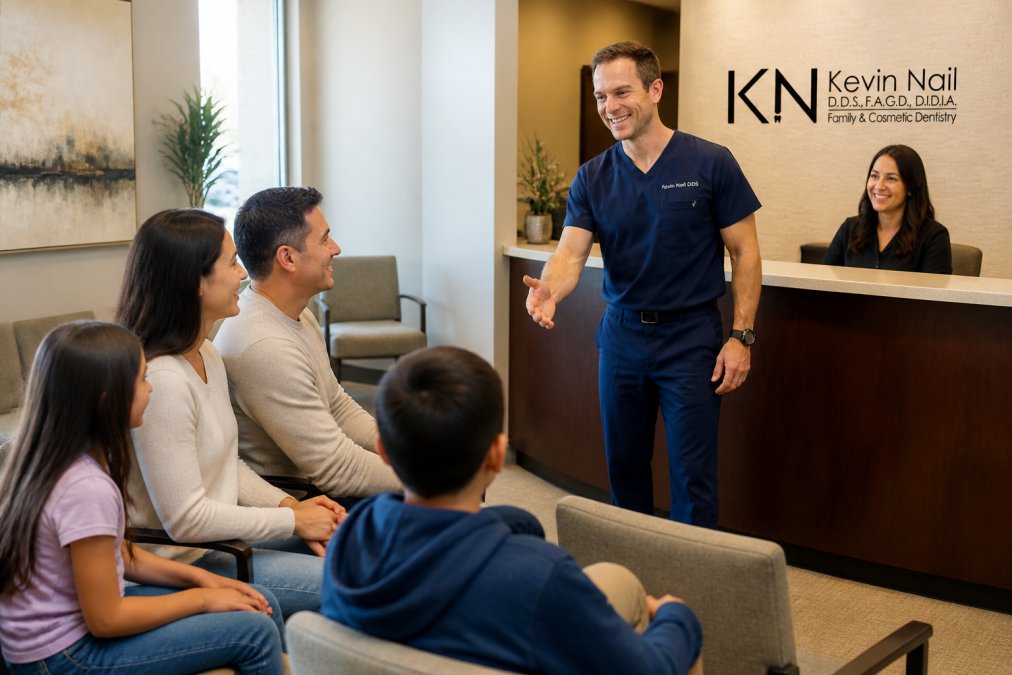
Family dentistry can include routine cleanings, cosmetic veneers, implant work, and emergency care, potentially offering continuity of care.
At Kevin Nail DDS, Dr. Nail personally performs every procedure. Our dedicated team is committed to delivering high-quality, personalized dental solutions for families across the greater Houston area.
How to Choose a Dentist for Your Entire Family
Choosing a family dentist may involve evaluating technical skill across various needs, along with practical considerations like scheduling.
Ask About the Practice's Ownership and Decision-Making Structure
Ask: Does the dentist personally perform procedures or refer out? Personal handling can contribute to continuity and accountability.
Ownership structure can be a factor: private practices owned by the dentist may prioritize clinical judgment. Dr. Nail personally owns this practice.
Evaluate the Range of Services and Referral Transparency
Evaluate the range of services: routine preventative care, restorative work, cosmetic procedures, and emergencies. Ask what percentage of procedures the dentist performs in-house versus refers out.
For pediatric care, you might ask if the practice handles children's anxiety and routine fillings in-house, or refers them out.
Understand the Financial Model Before Committing
Ask about membership plans for uninsured patients and fee structures for common procedures.
Ask about insurance acceptance, membership plans, fee structures for common procedures, and payment plans.
Assess Appointment Scheduling and Accessibility
Ask if you can book multiple family members on the same day, and whether early morning or evening appointments are available.
Ask about emergency scheduling.
Ask About Patient Comfort and Anxiety Management
Ask about sedation options for anxious patients and modern technology like 3D imaging.
Assess continuity of care: will you see the same dentist and hygienists? Ask how long current staff have worked at the practice.
General Dentistry and Preventative Care
General dentistry can help identify dental problems early. Preventative care is important for long-term dental health.
Routine Checkups and Professional Cleaning
Routine checkups twice yearly examine teeth for cavities, check gum health, and screen for larger problems. Professional cleaning removes tartar buildup that brushing cannot eliminate.
Skipping checkups can lead to dental problems progressing. Addressing a cavity early may be less involved than treating a more advanced issue later.
Oral Cancer Screening and Dental Health Assessment
Oral cancer screening examines your mouth, throat, and lymph nodes for abnormalities. Early detection can improve treatment outcomes.
Restorative Dental Care and Advanced Implant Solutions
Restorative dentistry repairs damage from decay, trauma, or age, restoring function and appearance.
Minimally Invasive Implant Dentistry
Dental implants are a highly regarded option for replacing missing teeth, designed to look natural. Traditional placement often involved cutting the gum and removing significant bone.
Minimally invasive flapless implant surgery uses 3D imaging for sub-millimeter precision, placing implants through a small gum opening instead of creating a large surgical flap.
Benefits include reduced post-operative swelling, bleeding, and recovery time.
Dr. Nail is the first and only accredited AMII (Academy of Minimally Invasive Implant Dentistry) protocol trained dentist in the state of Texas. He holds advanced training in minimally invasive implant dentistry.
Dental Bridges and Crowns
Crowns restore damaged teeth by covering them completely, used after root canals or for large cavities. Well-made crowns can look natural and function normally.
Dental bridges replace missing teeth by anchoring to adjacent teeth.
Crowns and bridges require precision in fit, color matching, and bite.
Cosmetic Dentistry Services for Your Smile
Cosmetic dentistry can impact how you feel about your smile.
Teeth Whitening and Porcelain Veneers
Professional teeth whitening uses custom trays.
Porcelain veneers are thin shells that can change shape, color, and alignment. They can be an option for discolored teeth, gaps, or slight misalignment, and can look natural when done well.
Natural-Looking Results You'll Love
Some patients express concerns about cosmetic dentistry resulting in a fake-looking smile, such as overly white teeth or veneers that don't match their face.
Achieving natural-looking results in cosmetic dentistry often involves considering proportion and color harmony.
An experienced cosmetic dentist can design a smile that aims for a natural appearance.
Benefits of Private Dental Practice
Private dental practices differ from corporate chains: the dentist owns the practice and makes decisions about treatment and technology.
Private practices can offer continuity, with the same dentist seeing you over time.
Dr. Nail uses 3D cone beam CT imaging for implant planning and maintains long-term staff.
Managing Dental Anxiety with Sedation Options
Dental anxiety can prevent many people from getting needed care. Avoidance may lead to more severe problems and complex treatment later.
Understanding Your Sedation Options
Sedation dentistry addresses anxiety directly by allowing you to relax or sleep through treatment. The level of sedation can depend on your anxiety level, the procedure complexity, and your medical history. Options include:
Nitrous Oxide (Laughing Gas): You inhale nitrous oxide and oxygen through a mask, remaining conscious but relaxed. You can typically drive home immediately after. This option can work well for mild to moderate anxiety during routine procedures.
Oral Sedation: You take a prescribed sedative 30-45 minutes before your appointment, remaining drowsy with minimal memory of the procedure. You cannot drive home. Recovery typically takes 4-6 hours. This can be suitable for moderate anxiety and longer procedures.
IV Sedation (Twilight Sedation): A sedative is administered intravenously with real-time adjustment. You're deeply relaxed with minimal memory of the procedure. A trained professional monitors vital signs. Recovery typically takes 1-2 hours; you cannot drive for 24 hours. This can be used for severe anxiety, complex procedures, or medical conditions requiring monitoring.
Is Sedation Dentistry Safe?
Yes, when performed by a trained dentist with proper monitoring. Vital signs are tracked throughout using a pulse oximeter and blood pressure cuff.
Sedation carries risks for patients with certain medical conditions. Your dentist may require physician clearance before proceeding.
The Real Cost of Anxiety: Why Treatment Delays Are Expensive
Anxious patients avoiding the dentist may face more complex and expensive treatment later. Addressing a cavity early may be less involved than treating a more advanced issue later. Similarly, addressing a missing tooth in a timely manner can prevent complications that might make future restorative procedures more complex.
Sedation costs vary, but addressing anxiety to receive timely care can be beneficial compared to treating advanced dental disease that may result from avoidance.
Ask if the practice offers sedation package pricing or includes sedation in membership plans.
What to Expect During Your First Sedated Appointment
You may be advised to fast 6-8 hours before oral or IV sedation. Vital signs are monitored throughout. Nitrous oxide recovery typically takes 5-10 minutes; oral sedation 30-60 minutes; IV sedation 1-2 hours. After oral or IV sedation, you cannot drive for 24 hours.
Managing Anxiety Long-Term
Many anxious patients find that a positive sedated appointment can help reduce anxiety for future visits. Experiencing a procedure that is not painful or traumatic may help diminish fear. Some patients may eventually feel comfortable with routine appointments without sedation.
For ongoing anxiety management, communication is key. Tell your dentist about your anxiety at the first appointment, don't wait until you're in the chair. A dentist can:
- Explain exactly what will happen before it happens
- Use a "stop" signal you can raise your hand to pause treatment if you feel overwhelmed
- Show you the instruments before using them
- Provide headphones or music to reduce the sound of dental equipment
- Allow you to take breaks during longer procedures
For children with dental anxiety, early positive experiences are important. A practice that uses gentle techniques, explains procedures in child-friendly language, and doesn't force treatment can help manage dental anxiety.
Same-Day Emergency Dental Care
Dental emergencies often require immediate attention. Some practices refer emergency patients to urgent care clinics, or have limited emergency schedules.
At Kevin Nail DDS, same-day emergency care is available. When you call with a dental emergency, you're not waiting days or getting referred elsewhere. You're seen that day by Dr. Nail, who can assess the problem and provide immediate relief or treatment.
Emergency care handled quickly can help prevent problems from escalating. Addressing a cracked tooth the same day may improve outcomes. Delayed treatment can lead to complications that might complicate later restoration.
For families with children, same-day emergency care can be valuable. Kids' dental injuries happen unexpectedly.
Frequently Asked Questions
What should I look for when choosing a new family dentist?
Look for a dentist who offers comprehensive services for various ages, including restorative work for adults. Verify credentials through the Texas State Board of Dental Examiners. Consider whether the practice provides emergency care, uses advanced technology like 3D imaging, and maintains continuity of care with the same clinical staff. Ask about their experience with anxious patients and whether they personally perform procedures or delegate them.
What are the benefits of choosing a privately owned dental practice?
Privately owned practices often provide personalized attention and continuity of care. You typically see the same dentist and familiar staff members for each visit, which can build trust and allow your provider to know your dental history. Private practices may offer same-day emergency appointments.
How often should a family visit the dentist for checkups?
The American Dental Association recommends dental checkups at least twice yearly for most people. However, children, seniors, and patients with gum disease or other risk factors may benefit from more frequent visits. During your comprehensive exam, your dentist will assess your individual oral health and recommend a schedule tailored to your family's specific needs.
How do I verify a dentist's credentials in Texas?
You can verify a dentist's license and credentials through the Texas State Board of Dental Examiners website. Look for board certifications, fellowship memberships in organizations like the Academy of General Dentistry, and specialized training in areas like implant dentistry. Ask your dentist directly about their qualifications, continuing education, and any advanced certifications they hold.