 how-to
How to Find a Dentist Prioritizing Patient Comfort
Table of Contents
- What Patient Comfort Really Means in a Dental Practice
- Dental Anxiety Management Techniques to Look For
- Minimally Invasive Dentistry Benefits for Comfort
- Questions to Ask a New Dentist About Comfort
- Sensory-Friendly Office Features That Reduce Stress
- A Checklist for Evaluating a Dentist's Bedside Manner
- Your Next Step Toward a Comfortable Dental Visit
- Frequently Asked Questions
Last Updated: September 5, 2026
Finding a dentist prioritizing patient comfort in Copperfield starts with understanding that a great clinical outcome and a genuinely comfortable experience are not separate goals. Patient comfort is the foundation of effective oral health care, because a relaxed patient is more likely to attend routine cleanings, report symptoms early, and follow through with treatment plans. At Kevin Nail DDS, we have built our entire practice philosophy around this connection. Below, we show you what to look for when evaluating a dental office, which techniques signal a true commitment to comfort, and how to ask the right questions before you commit.
What Patient Comfort Really Means in a Dental Practice
Patient comfort in dentistry extends far beyond a cushion in the chair or a warm blanket. It encompasses the entire patient experience: how you are greeted, whether your health history and dental anxiety are acknowledged, how procedures are explained, and how pain is managed before, during, and after treatment. True patient-centered care means the dentist and team design every step around your physical ease and emotional well-being, not just the procedural checklist.
A practice that prioritizes comfort also recognizes that every patient is different. One person may need detailed explanations of every instrument, while another prefers minimal conversation during a procedure. The right dental office atmosphere makes space for both preferences, with staff trained to read cues and adjust their approach. Long-term staff members who know patients by name are a strong signal of this culture.
Dental Anxiety Management Techniques to Look For
Dental anxiety affects a significant number of adults, and a practice serious about patient comfort will have structured dental anxiety management techniques in place (the NIH). Look for a practice that asks about your anxiety level during the new patient paperwork and addresses it directly in conversation, rather than waiting for you to bring it up.
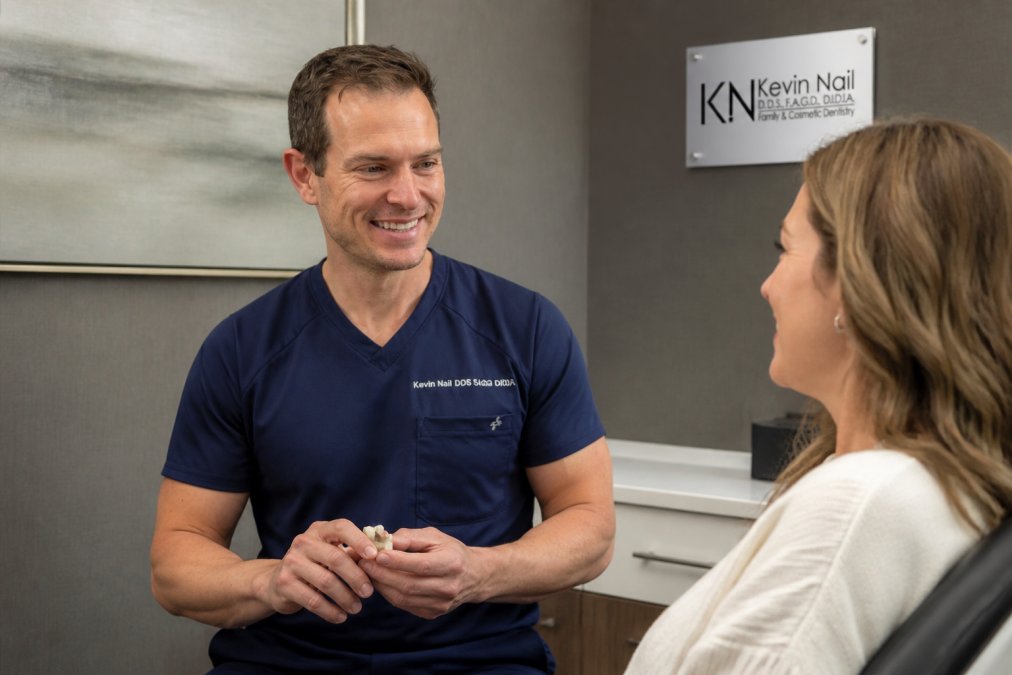
Effective techniques range from simple communication tools to advanced sedation options. A dentist should explain each step before it happens, agree on a stop signal (such as raising a hand), and offer breaks during longer procedures. Practices offering oral conscious sedation or nitrous oxide should explain the protocols, including how they monitor your vital signs and what the recovery period looks like. Dr. Kevin Nail personally performs every procedure, meaning the person you consult with about your anxiety is the same person treating you.
Understanding the Medical Options for Comfort
Most local dental websites mention sedation as a bullet point but never explain what it actually involves. Here is a practical breakdown of the two most common in-office options you will encounter.
Nitrous oxide (laughing gas). This is the lightest form of sedation. You breathe a mixture of nitrous oxide and oxygen through a small mask over your nose. Within a few minutes, you feel relaxed and slightly detached, but you remain fully conscious and able to respond (the American Dental Association). The effects wear off almost immediately after the mask is removed, so you can drive yourself home. It is a good option for mild to moderate anxiety or for patients who feel tense about specific parts of a procedure, such as the numbing injection.
Oral conscious sedation. This involves taking a prescription pill (typically from the benzodiazepine family, such as triazolam or lorazepam) about an hour before your appointment (PubMed). You remain awake and breathing on your own, but you feel deeply relaxed and often have little or no memory of the procedure afterward. Because the medication takes time to clear, you will need a responsible adult to drive you to and from the appointment and stay with you for several hours afterward. This option suits patients with moderate to severe anxiety or those undergoing longer procedures.
Questions That Separate Real Protocols from Marketing Language
When you call a dental office, the way they answer these three questions will tell you more about their sedation program than any brochure:
- Who administers and monitors the sedation? In most states, the dentist must have a valid sedation permit, and a trained team member should be monitoring your vital signs throughout the procedure. A practice that hesitates or gives a vague answer on this point may not have a robust protocol in place.
- What is your policy on the day of the appointment if I forget to take the medication? A well-run practice will have a clear, calm answer. They may reschedule you rather than proceed without the sedation, which is the safe choice.
- How do you handle a patient who becomes overwhelmed mid-procedure despite sedation? The response should describe a specific, step-by-step protocol: pausing the procedure, removing instruments, allowing the patient to sit up, and offering a break or rescheduling. A vague answer like 'we would just take a break' is not enough.
The Role of Behavioral Techniques Alongside Sedation
Sedation is not a substitute for good communication; it works best when combined with behavioral techniques. Look for a dentist who uses a tell-show-do approach, explaining what they are about to do, showing you the instrument, and then proceeding only when you are ready. Agreeing on a stop signal, such as raising your left hand, gives you a sense of control that reduces the helplessness that often drives dental phobia.
Minimally Invasive Dentistry Benefits for Comfort
The minimally invasive dentistry benefits for comfort are substantial. Minimally invasive methods prioritize preserving healthy tooth structure and tissue, which directly translates to less trauma, reduced post-operative swelling and bleeding, and faster recovery times. For procedures like dental implants, this philosophy has changed the experience dramatically.
Traditional implant placement requires an incision and sutures, which often means weeks of swelling and discomfort. Advanced techniques, such as flapless implant surgery, allow the implant to be placed through a tiny opening without a large incision. Patients typically experience significantly less discomfort and can return to normal activity much sooner. The use of 3D cone beam CT (CBCT) scans enables sub-millimeter precision, meaning the dentist can plan the entire procedure virtually before ever touching your mouth.
| Comfort Factor | Traditional Approach | Minimally Invasive Approach |
|---|---|---|
| Incision size | Large incision with sutures | Tiny opening, no sutures needed |
| Recovery time | Weeks of swelling and restriction | Return to normal activity quickly |
| Procedure planning | Relies on 2D x-rays and guesswork | 3D CBCT scans for sub-millimeter precision |
| Post-operative pain | Significant discomfort | Reduced swelling, bleeding, and soreness |
Questions to Ask a New Dentist About Comfort
The right questions to ask a new dentist about comfort will separate a genuinely patient-focused practice from one that merely uses the phrase as marketing. Come prepared with a short list and pay close attention not just to the answers, but to whether the dentist seems glad you asked.
- How do you handle patients with dental anxiety, and what sedation options do you offer?
- Who actually performs the procedure, and will I meet them before my treatment day?
- What do you do to manage discomfort during and after the procedure?
- How does your team handle a patient who needs to stop or take a break mid-treatment?
- Can you explain your approach to minimally invasive techniques, like flapless implant surgery?
- How do you ensure effective dentist-patient communication when discussing complex treatment plans?
Sensory-Friendly Office Features That Reduce Stress
Beyond clinical technique, the physical environment plays a larger role in stress-free dentistry than most people expect. Sensory-friendly dental office features are an often-overlooked differentiator that can significantly reduce stress for both anxious patients and those with sensory sensitivities.
Bright overhead lights can feel glaring when you are reclined and vulnerable. The sound of the drill and suction can spike anxiety. A practice that prioritizes comfort will address these details. Look for dimmable lighting or the option of sunglasses during treatment, noise-canceling headphones or music, and a warm, calm color palette in the treatment rooms. Even a weighted blanket can make a meaningful difference for patients who feel jittery in the chair.
A Practical Room-by-Room Evaluation Guide
To actually evaluate an office, you need to know what to look for in each physical space. Use this guide during your first visit or a pre-appointment tour.
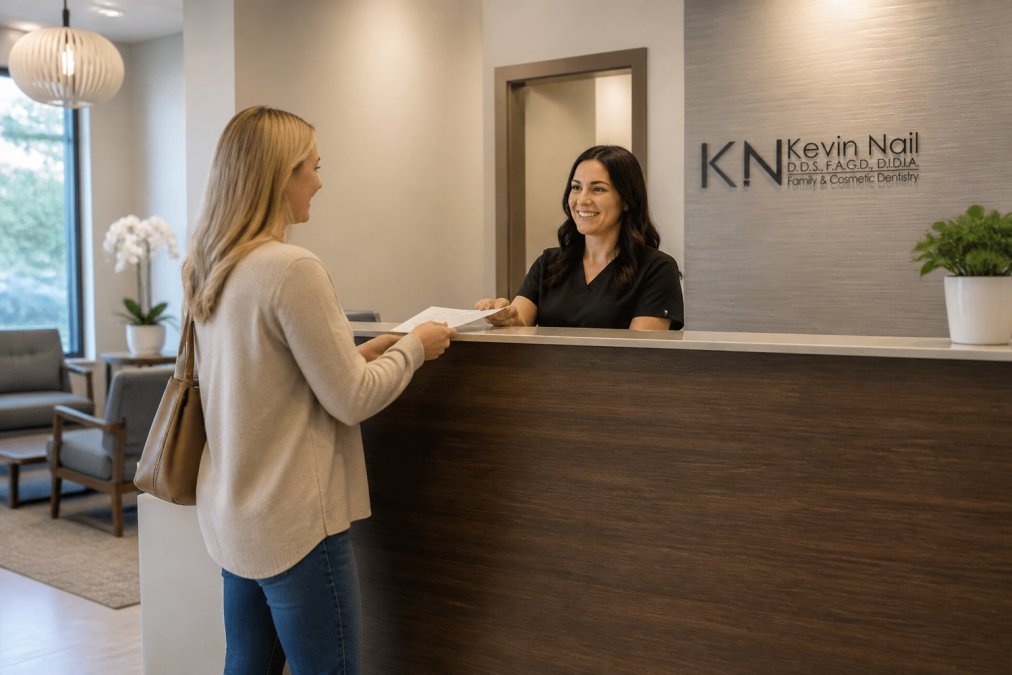
The reception area. This is your first point of sensory contact. Notice the seating: is it spaced apart enough that you do not feel crowded? Are there quiet zones away from the front desk phone and check-in conversations? Look for natural light or warm-toned lamps rather than harsh overhead fluorescents.
The treatment room. This is where your sensory experience matters most. Ask to see a treatment room before your appointment. Check whether the overhead light can be dimmed or angled away from your face. Many comfort-focused practices provide sunglasses or eye masks as a standard option. Look for a ceiling-mounted TV or a music system with headphones. Notice the temperature: a blanket within arm's reach is a simple but telling detail.
The noise environment. Dental offices are inherently noisy, but good design can mitigate that. Ask whether the practice uses quieter handpieces or places sound-dampening panels on the walls. Some offices schedule longer procedures when the waiting room is less busy. If you are sensitive to sound, ask directly whether you can wear noise-canceling headphones during your procedure.
How to Ask About Sensory Accommodations Without Feeling Awkward
Many patients hesitate to ask about sensory features because they worry it will seem demanding. A simple framing normalizes the request: "I am sensitive to bright lights and loud sounds, and I want to make sure I can stay relaxed during my appointment. What options do you have available?" A practice that genuinely prioritizes comfort will respond with specific details rather than a generic 'we will take care of you.'
A Checklist for Evaluating a Dentist's Bedside Manner
Evaluating a dentist's bedside manner requires a structured approach, and a checklist helps you compare practices objectively. Bedside manner encompasses how the dentist communicates, whether they listen to your concerns, and how they make you feel as a person, not just a set of teeth. Use this checklist during your first consultation.
- The dentist introduces themselves and asks about your health history and treatment goals before examining you.
- They explain procedures in plain language without being condescending, and check for understanding.
- They offer options rather than dictating a single treatment path, explaining the pros and cons of each.
- They ask about your anxiety level and comfort preferences directly.
- They maintain a calm, unhurried demeanor even when the schedule is busy.
- They make eye contact and address you by name, treating you as a partner in your oral hygiene and care decisions.
Your Next Step Toward a Comfortable Dental Visit
The search for a dentist prioritizing patient comfort in Copperfield comes down to a single principle: you should feel at ease from the first phone call. A practice that demonstrates patient-centered care through its communication, its dental anxiety management techniques, and its investment in minimally invasive dentistry benefits is one that will protect your long-term oral health.
At Kevin Nail DDS, Dr. Nail personally performs every procedure, from routine cleanings to advanced flapless implant surgery, using 3D CBCT scans for precision that reduces recovery time. The practice combines comprehensive care under one roof with long-term staff members who know patients by name, creating the familiar, comfortable environment that keeps families returning across the greater Houston area. Dr. Nail's advanced training in minimally invasive implant dentistry, including his role as a featured guest lecturer for the Academy of Minimally Invasive Implant Dentistry, reflects a genuine commitment to patient comfort at every level of care. Call 281-550-9054 to schedule a consultation and experience the difference that a truly patient-focused dental practice makes.
Frequently Asked Questions
What should I look for in a patient-centered dental practice?
Look for a practice where the dentist personally performs each procedure and explains treatment options in plain language. Check whether the staff stays consistent visit to visit, so you are not explaining your health history to new faces each time. Ask about the office's approach to pain management and whether they offer sedation options. A patient-centered practice will address your concerns before starting treatment and will tailor the care plan to your comfort level, not just your clinical needs.
How can I evaluate a dental office's communication style before my first visit?
Call the office and pay attention to how the front desk answers your questions. Ask directly how the dentist handles anxious patients and whether they walk you through each step before starting a procedure. A practice focused on patient comfort will welcome these questions without rushing you. You can also request a consultation before scheduling treatment to gauge whether the dentist listens to your concerns and explains options in terms you understand.
How does minimally invasive dentistry improve patient comfort?
Minimally invasive techniques preserve more of your natural tooth structure, which often means less post-procedure sensitivity and faster recovery. For example, flapless implant placement uses advanced imaging to guide treatment without large incisions, reducing swelling and bleeding. These approaches require less drilling and shorter procedure times. A dentist trained in minimally invasive methods will discuss how they reduce discomfort and recovery time before you commit to any treatment plan.