 how-to
How to Manage Dental Anxiety: A Practical Guide
Table of Contents
- What Causes Dental Anxiety and Dental Phobia
- Breathing Exercises for Dental Anxiety Relief
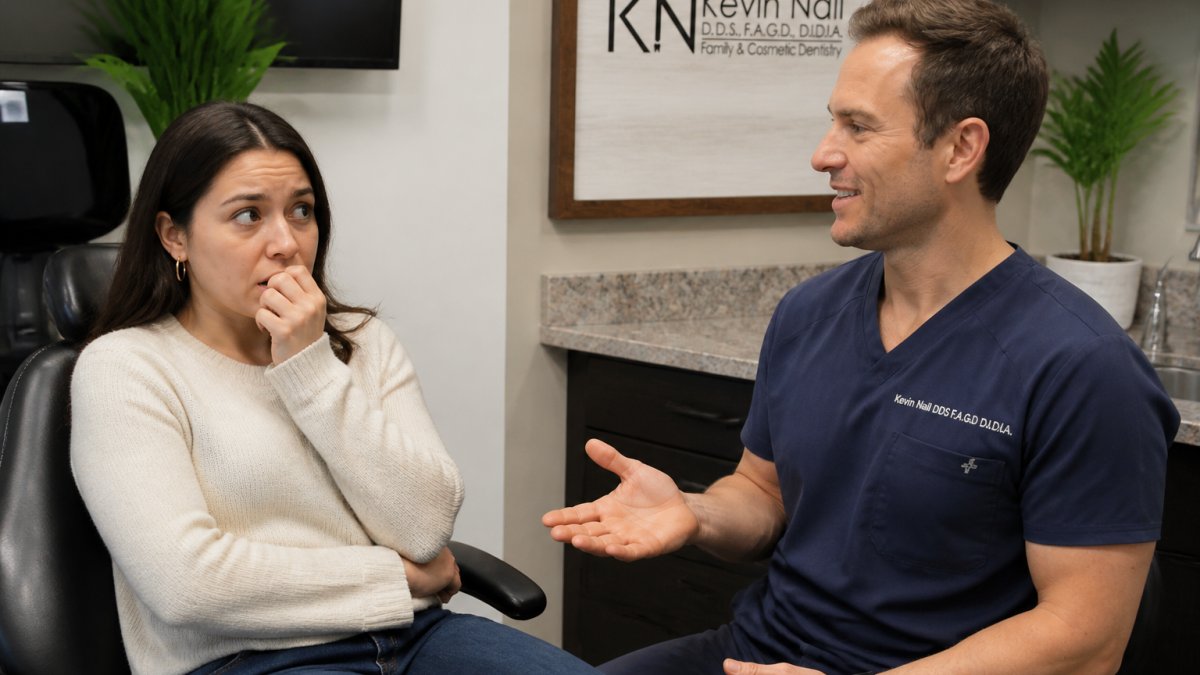
- How to Talk to Your Dentist About Anxiety
- Distraction and Sensory-Friendly Strategies That Work
- Sedation Dentistry Options for Anxious Patients
- How to Manage Dental Anxiety Before and After Your Visit
- Transitioning from Pediatric to Adult Dental Care
- Conclusion
Last Updated: August 21, 2026
Dental anxiety is one of the most common barriers to getting the care your teeth need. At Kevin Nail DDS, we see patients every week who have delayed treatment for years because the thought of sitting in a dental chair triggers genuine fear. That fear is real, valid, and manageable. Below, we'll walk through the root causes of dental anxiety, practical coping techniques you can use before and during your visit, and the sedation dentistry options available for patients who need more support.
Dental anxiety left unaddressed almost always leads to worse oral health outcomes. Avoidance creates a cycle where small problems grow into expensive, painful ones, which then increase anxiety further. Breaking that cycle starts with understanding where the fear comes from.
What Causes Dental Anxiety and Dental Phobia
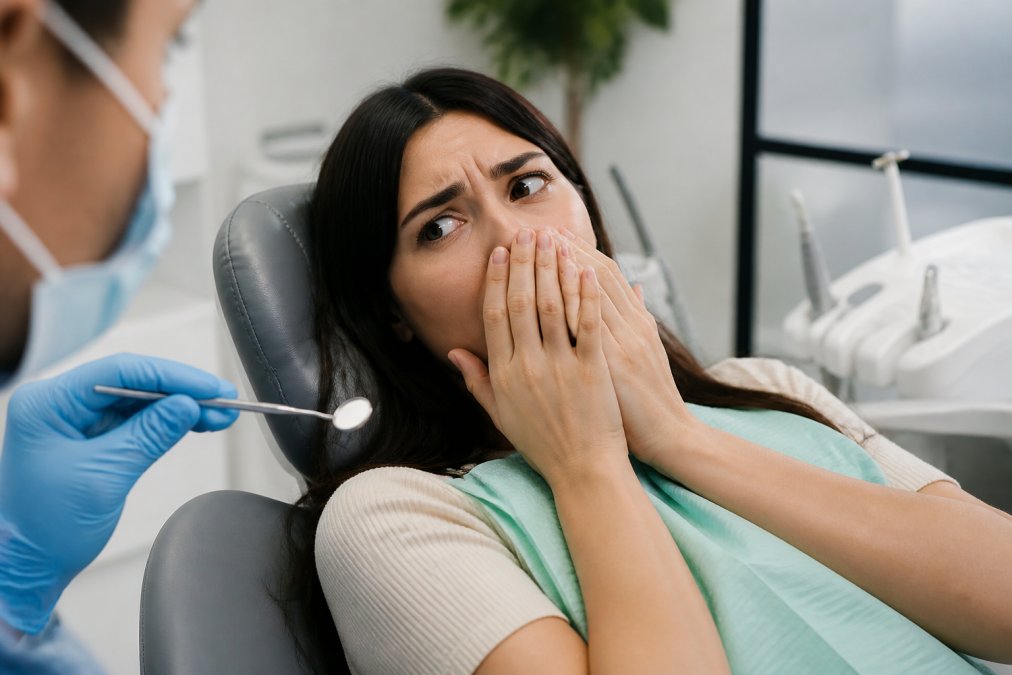
Dental anxiety is a state of unease, worry, or fear associated with dental visits or procedures. It exists on a spectrum, from mild pre-appointment nerves to a full clinical condition that prevents people from seeking care altogether.
Common triggers include a previous painful experience, the sounds and smells of a clinical environment, fear of losing control while in the chair, or embarrassment about your teeth. For many patients, the anxiety isn't about pain at all, it's about vulnerability. You're lying back, unable to see what's happening, with someone working inside your mouth.
When Anxiety Becomes Dentophobia
Dentophobia (also called dental phobia) is a more severe, persistent fear that goes beyond ordinary nervousness. Where dental anxiety might cause tension before an appointment, dentophobia can trigger a full panic attack at the mere thought of scheduling one. According to American Dental Association patient resources, fear of the dentist affects a meaningful portion of the adult population, with some individuals avoiding care for decades.
The physiological response is real: elevated heart rate, increased cortisol, shallow breathing, and the classic fight-or-flight response. Recognizing these as normal stress responses reframes the experience from "I'm falling apart" to "my nervous system is doing what nervous systems do."
Financial Stress as a Hidden Root Cause
Financial stress is a significant driver of avoidance. Many patients aren't afraid of the drill, they're afraid of the bill. The worry about cost, insurance coverage, or unexpected treatment needs can be just as paralyzing as fear of pain.
If financial concerns are part of your anxiety, address them directly before your appointment. Ask the front desk for a cost estimate, confirm what your insurance covers, and ask whether a phased treatment plan is possible.
Breathing Exercises for Dental Anxiety Relief
Controlled breathing is the most accessible coping mechanism available for dental anxiety. Slow, deliberate breathing activates the parasympathetic nervous system, which counteracts the fight-or-flight response your body defaults to under stress.
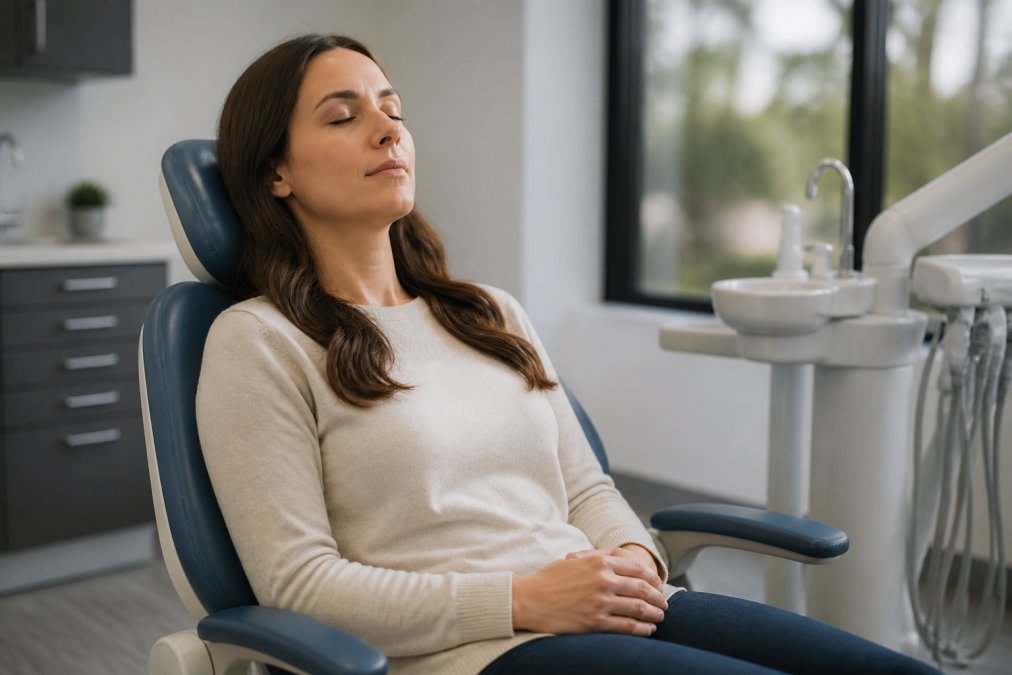
Practice your chosen technique at home before your appointment so it feels familiar when you actually need it.
Diaphragmatic Breathing and Progressive Muscle Relaxation
Diaphragmatic breathing, breathing from the belly rather than the chest, is a foundational stress reduction technique. Inhale slowly through the nose for four counts, hold for two, exhale through the mouth for six. The extended exhale signals to your nervous system that the threat has passed.
Progressive muscle relaxation pairs well with this. Starting from your feet and working upward, tense each muscle group for five seconds, then release. By the time you reach your shoulders, the physical tension that anxiety creates has somewhere to go.
Guided Imagery and Mindfulness in the Chair
Guided imagery involves mentally transporting yourself to a calm, familiar environment while a stressful procedure takes place. According to National Center for Complementary and Integrative Health, mindfulness practices have demonstrated effectiveness for anxiety management across clinical settings.
Pick a specific place: a beach, a hiking trail, a quiet room in your home. Engage all five senses in the mental image. The more detailed the imagery, the more effectively it occupies the cognitive bandwidth that anxiety typically hijacks.
How to Talk to Your Dentist About Anxiety
Most people with dental anxiety never tell their dentist. This is the single most common mistake anxious patients make, and it's entirely fixable.
A good dentist will not judge you for disclosing anxiety. Therapeutic communication about your fears is a normal, expected part of patient-centered care. Simply say: "I have significant dental anxiety and I'd like us to work together on making this manageable."
Setting Up a Stop Signal and a Treatment Plan
Establish a stop signal before any procedure begins, typically a raised hand, a clear, non-verbal way to pause treatment. Knowing you have a reliable exit mechanism dramatically reduces the sense of helplessness that drives anxiety in the chair.
Ask for a detailed treatment plan so you know exactly what's coming. When you understand each step before it happens, the unknown stops being a source of dread. Ask your dentist to narrate what they're doing before they do it, especially when using local anesthesia or any new instrument.
Distraction and Sensory-Friendly Strategies That Work
Distraction is an underrated coping mechanism. Bringing headphones and a playlist or podcast to your appointment is one of the simplest, most effective things an anxious patient can do. It reduces sensitivity to clinical sounds, the drill, the suction, the ambient noise, that often function as anxiety triggers.
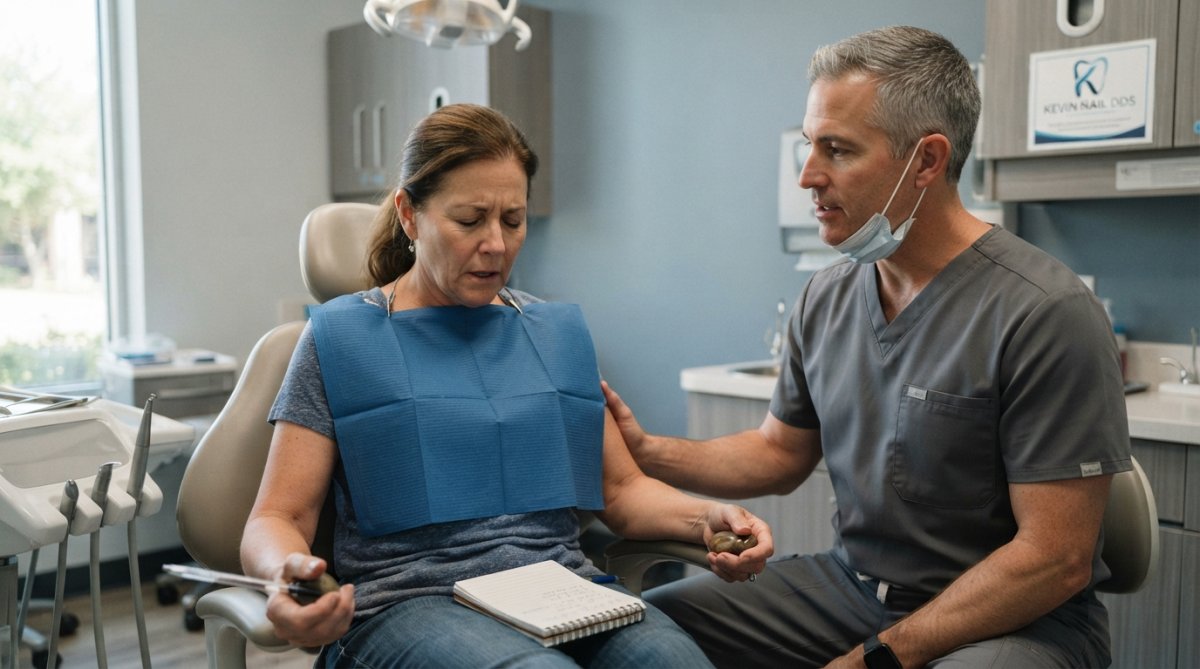
Some patients find that having something to hold (a stress ball, a small object from home) gives their nervous system a focal point other than the procedure. Acupressure wristbands, which apply pressure to the P6 point on the inner wrist, are used by some patients for nausea and anxiety, though individual results vary.
Sensory-friendly dental environments are becoming more common and worth seeking out if standard clinical settings are particularly difficult for you. Key features include:
- Dimmed or adjustable lighting rather than harsh overhead fluorescents
- Quieter suction equipment and handpieces
- Warm blankets or weighted lap pads available on request
- Sunglasses to reduce glare from overhead exam lights
- Staff trained in trauma-informed communication
Sedation Dentistry Options for Anxious Patients
Sedation dentistry uses medication to help patients relax during dental procedures. It ranges from mild relaxation to full unconsciousness, and the right option depends on the severity of your anxiety, the nature of the procedure, and your medical history.
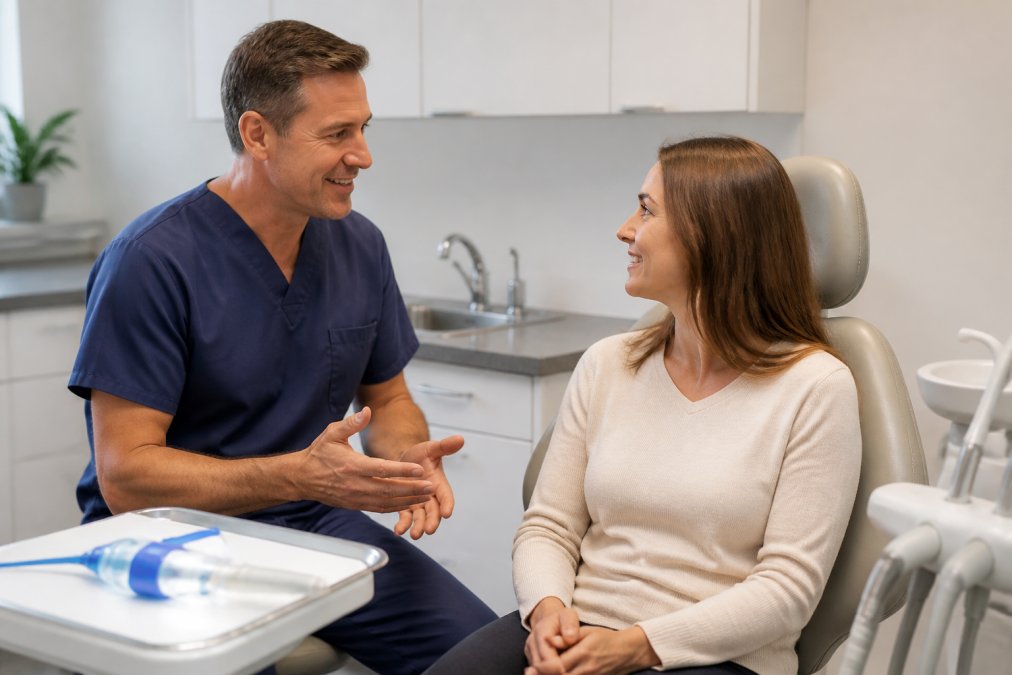
The goal of sedation is to make the experience tolerable so you can actually receive the care you need. Many patients who use sedation dentistry describe it as the reason they were finally able to get back on track with their oral health after years of avoidance.
| Sedation Type | How It's Given | Level of Sedation | Recovery Time |
|---|---|---|---|
| Nitrous oxide | Inhaled mask | Mild to moderate | Minutes |
| Oral anxiolytics | Pill taken before appointment | Mild to moderate | Several hours |
| IV sedation | Intravenous | Moderate to deep | Several hours |
| General anesthesia | Intravenous/inhaled | Full unconsciousness | Same day, monitored |
Nitrous Oxide
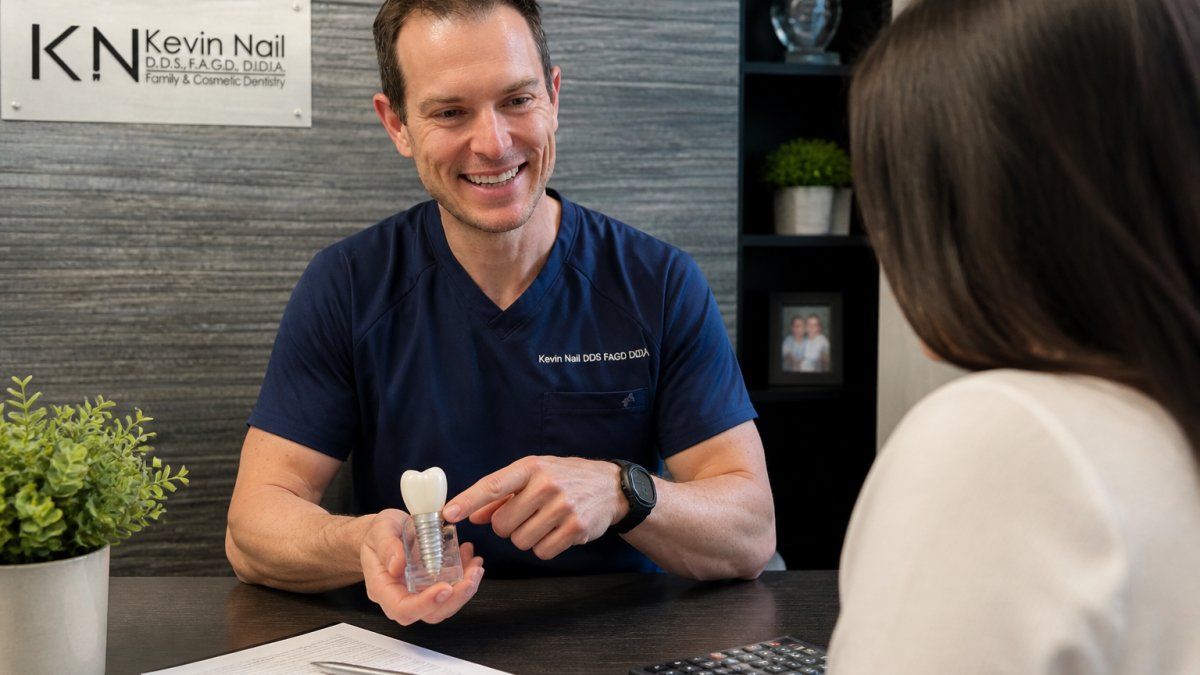
Nitrous oxide, commonly called laughing gas, is the most widely used form of sedation dentistry. It's delivered through a small mask placed over the nose, takes effect within a few minutes, and wears off almost immediately after the mask is removed. Most patients can drive themselves home after a nitrous oxide appointment.
The level of relaxation is mild to moderate. You remain fully conscious and can respond to the dentist, but anxiety and discomfort are significantly reduced. For patients with mild to moderate dental anxiety, nitrous oxide is often the first-line recommendation.
Oral Anxiolytics
Oral anxiolytics are prescription medications, often from the benzodiazepine family, taken by mouth before your appointment. They produce a moderate sedative effect: you'll feel drowsy and relaxed, your memory of the procedure may be limited, and you'll need someone to drive you home.
These medications are prescribed based on your medical history, current medications, and the nature of the procedure. According to American Dental Association guidelines on sedation, dentists administering oral sedation must meet specific training and monitoring requirements.
IV Sedation and General Anesthesia
IV sedation delivers medication directly into the bloodstream, producing a deeper state of relaxation than oral or inhaled options. Patients are typically semi-conscious, able to respond to verbal prompts but with little to no memory of the procedure afterward. This option is appropriate for patients with severe dental phobia, complex procedures, or special healthcare needs.
General anesthesia produces complete unconsciousness and is typically reserved for extensive surgical procedures or patients for whom lighter sedation is insufficient. Both IV sedation and general anesthesia require physiological monitoring and specific training. Ask your provider directly about their training, monitoring protocols, and emergency preparedness.
How to Manage Dental Anxiety Before and After Your Visit
The appointment itself is only part of the picture. How you prepare beforehand and how you care for yourself afterward both affect how manageable dental anxiety becomes over time.
Preparing for Your Appointment
Preparation reduces uncertainty, and uncertainty is what anxiety feeds on. A practical pre-appointment checklist:
- Confirm the appointment time and location the day before
- Arrange transportation if you're using oral or IV sedation
- Avoid caffeine the morning of your appointment
- Eat a light meal beforehand unless instructed otherwise
- Bring headphones and a calming playlist
- Arrive 10 minutes early to allow your nervous system time to adjust
- Tell the front desk you have dental anxiety when you check in
Desensitization is a longer-term strategy worth exploring. For patients with severe dentophobia, some therapists offer systematic desensitization, a psychological intervention involving gradual, repeated exposure to dental stimuli in a controlled setting. This can significantly reduce phobic responses over time.
Post-Appointment Anxiety Management
Post-appointment anxiety is real and largely ignored in standard dental anxiety guides. Many patients experience a delayed stress response after a procedure. This is your nervous system processing an experience it coded as threatening.
Practical strategies for the post-appointment period:
- Plan something low-key and enjoyable for the afternoon after your appointment
- Acknowledge that feeling unsettled afterward is a normal physiological response
- Track what specifically bothered you about the appointment so you can discuss it with your dentist before the next one
- If anxiety persists between appointments, consider speaking with a therapist who works with health-related anxiety
Over time, consistently completing appointments without catastrophic outcomes is itself a form of desensitization. Each visit that ends safely updates your nervous system's threat assessment.
Transitioning from Pediatric to Adult Dental Care
The shift from a pediatric dentist to an adult practice is a commonly overlooked trigger for dental anxiety. Pediatric dental offices are designed around child-specific needs: smaller instruments, brighter decor, gentler pacing, and staff trained in managing children's fear. Adult practices often feel colder and more clinical by comparison.
For young adults making this transition, typically in their late teens or early twenties, the change can reactivate or worsen anxiety that was previously well-managed. A few things that help:
- Visit the new practice for a consultation before any procedure is scheduled
- Ask whether the practice has experience with anxious patients and what accommodations they offer
- Bring a trusted person to the first appointment if that helps
- Communicate your history with the new provider
Patients who transition smoothly tend to find a practice where they feel genuinely known. Long-term staff who remember your name and history make a real difference to anxious patients. According to American Academy of Pediatric Dentistry transition guidelines, the recommended age for transitioning to adult dental care typically aligns with the late teenage years, though timing should be individualized based on developmental readiness and oral health needs.
Dental anxiety doesn't have to mean years of avoidance and escalating oral health problems. At Kevin Nail DDS, we work with anxious patients regularly, from those who just need a stop signal and a slower pace, to those who require sedation dentistry to get through the door. Dr. Nail personally performs every procedure, and our long-term staff know our patients by name, which matters more than most people realize when anxiety is part of the picture. If you're ready to take the first step, call us at 281-550-9054 and let us know upfront that anxiety is a concern. We'll build your care around that.
Frequently Asked Questions
What are the signs of dental phobia versus regular dental anxiety?
Dental anxiety is a general sense of nervousness before or during appointments. Dental phobia, also called dentophobia, is more severe: it can trigger panic attacks, cause people to avoid the dentist entirely for years, and produce physical symptoms like a racing heart rate and sweating just from thinking about a visit. If avoidance is affecting your oral health, that level of fear warrants a conversation with both your dentist and a mental health professional about psychological intervention options.
How do dentists handle anxious patients during procedures?
Patient-centered care for anxious patients typically involves establishing a stop signal before treatment begins, explaining each step before performing it, offering sedation dentistry options such as nitrous oxide or oral anxiolytics, and monitoring physiological signs throughout. Therapeutic communication throughout the procedure helps reduce cortisol levels and keeps the fight-or-flight response from escalating. A dentist experienced with anxious patients will adjust the pace of treatment based on how you're feeling in real time.
Is sedation dentistry safe for routine dental work?
Sedation dentistry is widely used for routine and restorative procedures. Nitrous oxide is considered low-risk and wears off quickly. Oral anxiolytics like diazepam carry more considerations and require a full medical history review before use. IV sedation involves closer physiological monitoring and is typically reserved for more involved procedures or severe dental phobia. Your dentist will review your health history and discuss the right level of sedation to keep you comfortable and safe.
How can I talk to my dentist about my dental anxiety without feeling embarrassed?
Dental anxiety is extremely common, and experienced dentists hear about it regularly. Call ahead before your appointment and mention it to the front desk so the team is prepared. At the visit, be direct: tell your dentist what specifically worries you, whether it's pain, loss of control, or past bad experiences. Ask about coping mechanisms, sedation options, and informed consent for each step. A dentist committed to patient-centered care will welcome that conversation rather than rush past it.
This article was written using GrandRanker