 how-to
How to Prepare for Flapless Dental Implant Surgery
Table of Contents
- Step 1: Confirm You're a Candidate for Flapless Dental Implant Surgery
- Step 2: Complete Your Preoperative Dental and Medical Evaluation
- Step 3: Review Your Medications Before Dental Implant Surgery
- Step 4: Plan What to Eat Before Dental Implant Surgery and Follow Fasting Rules
- Step 5: Prepare Your Mouth, Transportation, and Time Off
- Step 6: Know What to Expect During Flapless Implant Surgery Recovery
- Your Day-Before and Day-Of Checklist for Flapless Dental Implant Surgery
- Frequently Asked Questions
Last Updated: October 20, 2026
Step 1: Confirm You're a Candidate for Flapless Dental Implant Surgery
Flapless dental implant surgery is a technique where the dentist places an implant through a small opening in the gum without cutting a full flap.
Candidacy comes down to bone and soft tissue. A flapless approach needs enough healthy bone at the implant site to hold the implant without lifting the gum for a direct view (pubmed.ncbi.nlm.nih.gov). It also needs gums free of active infection.
Here's what makes a good candidate:
- Enough bone width and height at the implant site
- Healthy gum tissue with no active infection
- A single-tooth implant or a small number of sites, not a full arch
- No need for major bone grafting at the same visit
When Flapless Surgery Is Not the Right Fit
Flapless implant surgery is not for everyone, and a good dentist will say so. If the bone is thin, if a ridge needs rebuilding, or if the implant site sits in the esthetic region of the anterior maxilla, a traditional flap gives the surgeon direct vision and better control.
That's not a failure of the technique. It's patient selection working the way it should.
Step 2: Complete Your Preoperative Dental and Medical Evaluation
The preoperative evaluation is where most of the real preparation happens. It combines a full dental exam, a medical history review, and imaging. Skipping steps here is the most common mistake we see.
Your dental evaluation should cover:
- A check for oral infection, cavities, and gum disease
- A review of your medical history and any chronic conditions
- A conversation about smoking, which slows healing
- A CBCT scan for dental implants to map bone and nearby anatomy
How a CBCT Scan for Dental Implants Guides Treatment
A CBCT scan for dental implants is a 3D image of your jaw that shows bone depth, bone width, and the position of nerves and sinuses. It is the backbone of digital planning.
That planning is what makes a flapless approach possible. Without accurate imaging, placing an implant through a small opening is guesswork. With it, the procedure becomes precise and, in many cases, nonbleeding enough that patients are surprised by how little they feel afterward.
Step 3: Review Your Medications Before Dental Implant Surgery
Medications before dental implant surgery deserve their own conversation, not a checkbox on a form. This is especially true for flapless placement, where the goal is a small opening, minimal bleeding, and a clean field, all of which can be undermined by a medication interaction nobody flagged in advance.
Bring a complete, written list to your consultation, including:
- Prescription drugs, with doses and how often you take them
- Over-the-counter pain relievers, including aspirin and NSAIDs like ibuprofen or naproxen
- Supplements, especially fish oil, vitamin E, ginkgo, garlic, and turmeric, which can affect bleeding
- Anything you take for blood pressure, diabetes, or a heart condition
- Any medication you have started or stopped in the last 30 days
Blood Thinners and Bleeding Risk
Anticoagulants and antiplatelets, warfarin, apixaban, rivaroxaban, dabigatran, clopidogrel, and daily aspirin, are the medications patients ask about most. Never stop or pause a prescription on your own.
A common pattern is for the dental team to coordinate directly with your prescribing physician before the appointment, then confirm the final instructions in writing. If you have not heard that confirmation at least a few days before surgery, call the office and ask.
Diabetes Medications and Healing
If you take insulin or a medication that lowers blood sugar, tell the dental team which one and when you take it. Fasting for sedation, skipping a meal, or the stress of the appointment can all affect blood sugar. Your dentist and your primary care clinician can adjust timing so you are not managing a low while sitting in the chair.
Antibiotics Are Not Routine
Antibiotics before surgery are not standard for every implant patient. They are a case-by-case decision based on your health history, and the criteria are narrower than many patients assume. According to guidance from the American Dental Association, antibiotic prophylaxis for dental procedures is reserved for specific patient groups, for example, certain patients with prosthetic joints or a history of infective endocarditis, rather than given broadly.
Sedation Medications
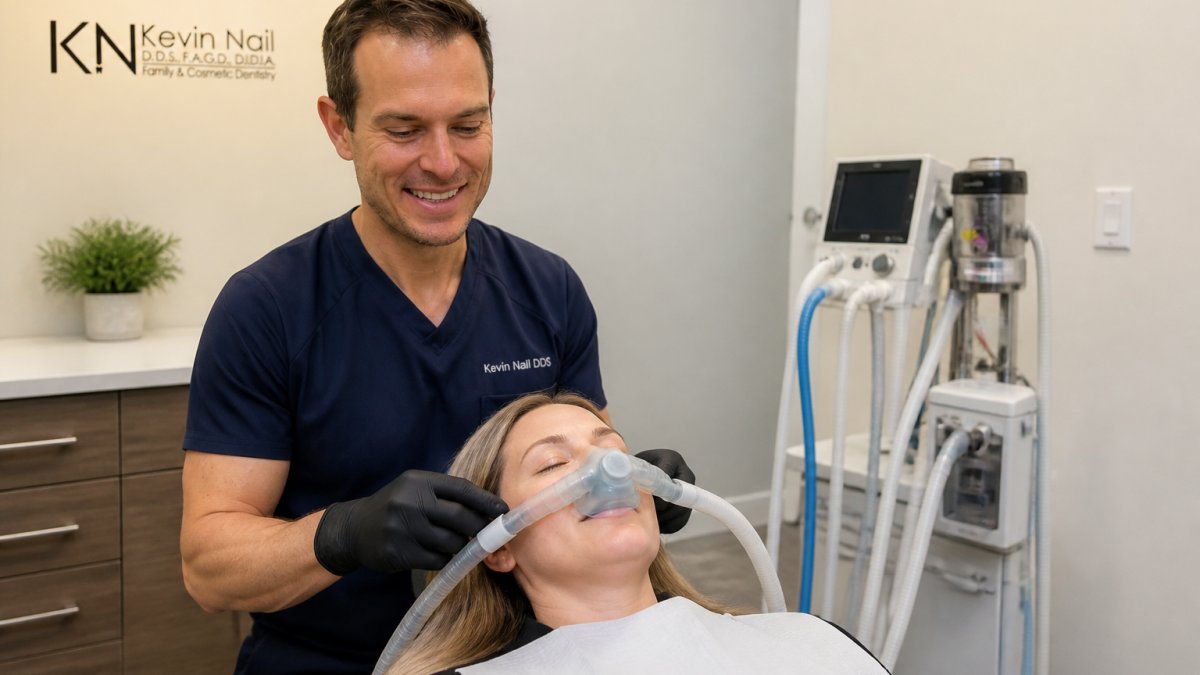
If you are having oral or IV sedation, tell the dental team about every medication and supplement you take, including anything recreational or cannabis-related. Sedatives interact with many common drugs, and the anesthesia plan is built around an accurate list. Do not add a new supplement or over-the-counter sleep aid in the week before surgery without asking.
Photograph the front and back of every medication bottle and keep the images on your phone. It is faster and more accurate than trying to remember doses in the chair, and it gives the dental team exactly what they need for the medical review.
Step 4: Plan What to Eat Before Dental Implant Surgery and Follow Fasting Rules
What to eat before dental implant surgery depends on your anesthesia plan. If you are having sedation, you will likely be told to fast. If you are having local anesthesia only, you can usually eat a light meal beforehand.
Fasting instructions are personal. A typical rule is no food for a set number of hours before sedation, but the exact window depends on the sedation type and your health.
For a non-sedated appointment, keep it simple:
- Eat a light, protein-rich meal a few hours before
- Avoid heavy, greasy food that can upset your stomach
- Skip alcohol for at least 24 hours
- Stay hydrated with water
Do not guess at fasting rules. Eating when you were told to fast can force your appointment to be rescheduled, and hiding a snack to "keep it moving" is a safety issue, not a shortcut.
Step 5: Prepare Your Mouth, Transportation, and Time Off
Oral hygiene before surgery lowers the bacteria at the implant site. Brush twice a day and floss, and use an antibacterial mouthwash in the days before your visit if your dentist recommends it.

Transportation and time off matter more than people expect. If you are having sedation, arrange a driver and expect to be groggy. Plan for rest, not a full day back at work.
A simple prep list:
- Brush and floss consistently for the week before surgery
- Confirm your driver and pickup time
- Clear your calendar for the rest of the day
- Stock soft foods at home
- Fill any prescriptions ahead of time
Step 6: Know What to Expect During Flapless Implant Surgery Recovery
Flapless implant surgery recovery is usually gentler than a traditional flap procedure. With no gum flap to suture, there is often less swelling, less bleeding, and less downtime.
Expect some soreness and mild swelling for a few days. Soft foods like yogurt, smoothies, and mashed vegetables are easier for the first 48 hours.
Watch for warning signs and call your dentist if you notice:
- Bleeding that will not stop with pressure
- Swelling that gets worse after day three
- Fever or a bad taste that lingers
- Pain that increases instead of easing
Regular aftercare visits let your dentist check healing and confirm the implant is settling as planned.
Your Day-Before and Day-Of Checklist for Flapless Dental Implant Surgery
Most preparation guides stop at 'follow your instructions.' This one is built as a timeline, with the flapless-specific details that actually change the day: confirming the imaging and surgical guide are ready, matching your escort plan to your anesthesia type, and knowing which questions to ask before you sit down.
The Day Before
- Confirm your fasting start time in writing, including whether clear liquids are allowed and until when. If you are having local anesthesia only, confirm whether a light meal is fine.
- Confirm your escort. If you are having oral or IV sedation, you need a responsible adult to drive you home and stay with you; a rideshare or taxi is not enough. If you are having local anesthesia only, you may be able to drive yourself, but ask first.
- Confirm that your CBCT scan and surgical guide are on file and that the guide was made for this site. A flapless placement depends on the guide matching the plan.
- Fill any prescriptions your dentist sent ahead of time, including pain medication and any mouth rinse.
- Stock soft foods for 48 hours: yogurt, smoothies, mashed vegetables, soup, eggs, and protein shakes. Skip straws and crunchy foods.
The Morning Of
- Follow your fasting instructions exactly. If you were told not to eat, do not eat. Hiding a snack to 'keep things moving' is a safety issue, not a shortcut, and it can force your appointment to be rescheduled.
- Take only the medications you were told to take, with a small sip of water if approved. Do not add anything on your own.
- Brush and floss as usual unless told otherwise. A clean mouth lowers the bacteria at the implant site.
- Skip alcohol and recreational drugs. Both interact with sedation and affect bleeding.
- Wear loose clothing and flat shoes. Leave jewelry and contact lenses at home if you are having sedation.
Questions to Confirm Before You Sit Down
- Is my flapless placement planned with a surgical guide, and has the guide been checked against my CBCT scan?
- What anesthesia am I having, and what are the escort and driving rules for that type?
- What is my fasting window, and are clear liquids allowed?
- Which medications should I take the morning of, and which should I skip?
- What is the office phone number I should call if something changes overnight?
The day before and the morning of are not about willpower. They are about confirming three things in writing: your fasting window, your escort, and that your imaging and guide are ready. Get those right and the rest of the day is mostly sitting still.
Frequently Asked Questions
How do I prepare for flapless dental implant surgery?
Preparation starts with a full exam and a CBCT scan to confirm you are a candidate for flapless dental implant surgery. Your dentist will review your medical history and medications, give you fasting instructions if sedation is planned, and arrange a driver. In the days before, practice good oral hygiene with brushing, flossing, and an antibacterial mouthwash. Stock soft foods like yogurt and smoothies, plan time off work, and follow every preoperative instruction your surgeon provides.
What should I eat before dental implant surgery?
If you are having sedation or general anesthesia, you will likely be told not to eat for at least eight hours before surgery. In the days leading up, eat balanced meals with protein and fiber to support healing. The night before, keep dinner light and avoid alcohol. After surgery, stick to soft foods such as yogurt, smoothies, mashed potatoes, and scrambled eggs for the first few days. Always follow the specific fasting and diet instructions your dental team gives you.
Can I take my regular medications before dental implant surgery?
Your dentist will review every medication and supplement you take, including blood thinners, as part of your preoperative evaluation. Do not stop or change any prescription on your own. Some medications may need to be paused or adjusted before surgery, while others should be taken as usual with a small sip of water. Bring a complete list to your consultation and follow your surgeon's directions exactly.
Do I need a CBCT scan before flapless dental implant surgery?
Yes. A CBCT scan for dental implants is essential for flapless surgery because it shows bone height, width, and density in three dimensions. That data lets your dentist plan the implant site digitally and create a surgical guide so the implant is placed through the gum without a flap. The scan also helps identify nerves, sinuses, and other structures to avoid, which lowers the risk of complications and supports accurate implant placement.