 listicle
10 Latest Cosmetic Dentistry Techniques for Smile Makeovers
Table of Contents
- How Modern Cosmetic Dentistry Has Changed the Smile Makeover
- 1. Digital Smile Design: See Your New Smile Before Treatment Begins
- 2. Minimally Invasive Porcelain Veneers: Preserving More of Your Natural Tooth
- 3. Advanced Teeth Whitening: In-Office and At-Home Options That Actually Work
- 4. Clear Aligners for Subtle Orthodontic Correction
- 5. Composite Bonding: A Quick Fix for Chips and Gaps
- 6. Same-Day Dental Crowns and Bridges With 3D Technology
- 7. Dental Implants With Flapless Surgery for Faster Healing
- 8. Gum Contouring and the "Gummy Smile" Fix
- 9. Same-Day Emergency Care and Restorative Work
- 10. The Future of Smile Makeovers: Customization and Biocompatibility
- Frequently Asked Questions
Last Updated: September 7, 2026
Cosmetic dentistry has shifted from purely restorative work to a design-led discipline, and the latest techniques reflect that change. The field now prioritizes enamel preservation, digital planning, and biocompatible materials, moving away from the bulky, uniform results of the past. This guide from Kevin Nail DDS, a privately owned practice in Houston, breaks down the top 10 modern methods transforming smile makeovers in 2026.
TL;DR:
- Digital Smile Design lets you approve a photorealistic preview before any enamel is touched.
- Minimally invasive veneers and composite bonding preserve natural tooth structure.
- Same-day crown and bridge technology eliminates temporary restorations.
- Flapless implant surgery significantly reduces recovery time compared to traditional methods.
How Modern Cosmetic Dentistry Has Changed the Smile Makeover
The biggest shift in cosmetic dentistry is the focus on conservative preparation. Where older methods often required removing significant tooth structure for crowns or veneers, contemporary aesthetic dentistry aims to preserve as much natural enamel as possible. This philosophy extends to the materials used, with a growing preference for biocompatible materials that integrate seamlessly with oral tissues.
Another major change is the integration of technology into every step, from diagnosis to placement. Digital scans, 3D printing, and advanced imaging have replaced messy impressions and guesswork. According to the American Academy of Cosmetic Dentistry guidelines on modern procedures, the emphasis is now on predictable, repeatable outcomes that prioritize long-term periodontal health alongside the visual result. This means a smile makeover is no longer just about how teeth look, but how they function and support the entire oral system.
1. Digital Smile Design: See Your New Smile Before Treatment Begins
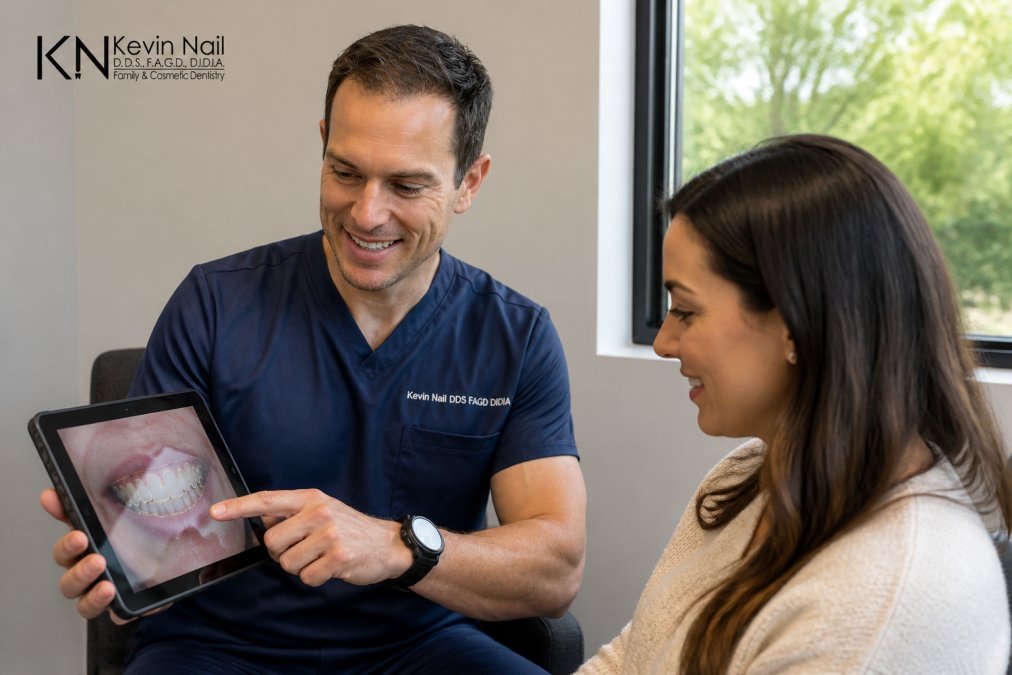
Digital Smile Design (DSD) is the planning phase that has revolutionized the cosmetic consultation. It is a digital workflow that uses photographs and videos to create a detailed analysis of your facial proportions, smile line, and gum display. This allows the dentist to design your ideal smile on a screen and share that preview with you before any work begins.
The benefits of this approach are substantial. You can see exactly how proposed changes to tooth length, shape, and shade will look, and you can request adjustments during the planning stage. This collaborative process reduces the risk of disappointment and ensures the final result aligns with your facial features. For patients worried about veneers looking "fake" or too uniform, DSD is the tool that addresses that concern directly. It brings a level of predictability to cosmetic dentistry that was previously impossible.
2. Minimally Invasive Porcelain Veneers: Preserving More of Your Natural Tooth
The classic approach to porcelain veneers often required removing a significant layer of enamel, sometimes up to a millimeter or more (PubMed). The latest technique, however, is far more conservative. Minimally invasive cosmetic dentistry now allows for veneers that require little to no preparation of the natural tooth, sometimes referred to as "no-prep" or "minimal-prep" veneers.
These ultra-thin shells, often made from high-strength ceramics, are bonded directly to the front surface of the tooth. Because they are so thin, they can often be placed without anesthesia and without permanently altering the underlying structure. This is a significant advantage for long-term oral health, as enamel preservation is critical for tooth vitality and strength. While traditional veneers are still necessary for severely discolored or misshapen teeth, the minimally invasive option is now the preferred first choice for many patients seeking a smile transformation.
3. Advanced Teeth Whitening: In-Office and At-Home Options That Actually Work
Professional teeth whitening remains the most accessible entry point into cosmetic dentistry, and the techniques have become more sophisticated and safer for enamel. In-office whitening now uses light-activated gels that can brighten teeth several shades in a single visit, with protocols designed to minimize sensitivity (PubMed). The key advancement here is in the desensitizing agents used before, during, and after the procedure.
For those who prefer a gradual approach, custom-fitted at-home trays remain the gold standard. Unlike over-the-counter strips, these trays ensure even coverage and keep the bleaching agent in contact with the teeth for the optimal duration. A common mistake is overusing whitening products, which can lead to sensitivity and uneven results. A dentist can provide a customized treatment plan that balances your aesthetic goals with the long-term health of your enamel. If you are considering this, ask about sensitivity management protocols during your cosmetic consultation.
4. Clear Aligners for Subtle Orthodontic Correction
Not every smile makeover requires veneers or bonding. For patients with crooked teeth, gaps, or bite issues, clear aligners are often the most conservative and effective first step. These transparent, removable trays gradually shift teeth into proper alignment without the visibility of traditional braces. This orthodontic treatment can resolve the underlying structural issues that cosmetic work alone would only mask.
The latest generation of clear aligners uses advanced software to map out the precise movements of each tooth, often incorporating attachments that help the trays grip the teeth for more complex movements. While they are excellent for mild to moderate cases, they are not a solution for severe skeletal discrepancies. For those cases, a combination of aligners and other restorative procedures might be recommended. The benefit is that by straightening teeth first, you may require less invasive cosmetic work later, such as minimal composite bonding to perfect the final shape.
5. Composite Bonding: A Quick Fix for Chips and Gaps
Composite bonding is the unsung hero of minimally invasive cosmetic dentistry. It involves applying a tooth-colored resin directly to the tooth to repair chips, close gaps, or change the shape and color. The material is sculpted by the dentist and hardened with a curing light, often in a single visit. This makes it one of the fastest and most cost-effective ways to address minor imperfections.
The technique has improved significantly with the development of more durable and polishable composites that mimic the translucency of natural enamel. While bonding is not as stain-resistant or long-lasting as porcelain veneers, it is an excellent option for patients who want a conservative change or are not ready for a permanent procedure. It also serves as a great diagnostic tool to "test drive" a smile design before committing to more extensive work like veneers or crowns.
6. Same-Day Dental Crowns and Bridges With 3D Technology
The days of wearing a temporary crown for two weeks are fading fast. With in-house 3D milling technology, dentists can now design, fabricate, and place a permanent dental crown or bridge in a single appointment. The process begins with a digital scan of the prepared tooth, which is used to create a precise 3D model. This model guides the milling machine as it carves the final restoration from a solid block of ceramic.
This same-day workflow offers several distinct advantages. It eliminates the need for messy impressions and temporary restorations, which can sometimes fail or cause sensitivity. The fit is often more precise than traditional methods, leading to better long-term health of the surrounding gum tissue. For patients needing a dental bridge to replace a missing tooth, this technology simplifies the process significantly, reducing the number of visits and the overall cosmetic dentistry recovery time.
7. Dental Implants With Flapless Surgery for Faster Healing
Dental implants are the gold standard for replacing missing teeth, but the traditional surgical approach can be daunting. The latest advancement is flapless implant surgery, a technique that allows the implant to be placed without making a large incision in the gum tissue. Instead of lifting the gum away from the bone, the dentist uses a 3D cone beam CT (CBCT) scan to plan the exact position and angle of the implant. A small punch is then used to access the bone, and the implant is placed with sub-millimeter precision.
The benefits for the patient are significant. Because the gum tissue and blood supply are largely undisturbed, patients typically experience less post-operative swelling, bleeding, and pain. This often translates to a faster recovery time and the ability to return to normal activity much sooner. This approach requires significant training and advanced technology. At Kevin Nail DDS, Dr. Nail is the first and only accredited AMII protocol trained dentist in the state of Texas, having received advanced training in this minimally invasive implant dentistry technique. Dr. Kevin Nail personally performs every procedure.
8. Gum Contouring and the "Gummy Smile" Fix
The teeth are only half of the smile equation. The gums frame the teeth, and an excess of gum tissue, often called a "gummy smile," can make teeth appear short, even if they are of normal length. Gum contouring, also known as crown lengthening, is a procedure that reshapes the gum line to create a more balanced and proportionate smile.
Modern techniques for gum contouring often use a laser, which allows for precise removal of excess tissue with minimal bleeding and discomfort. In some cases, the underlying bone may also need to be reshaped to achieve the best result. This procedure is often performed in conjunction with veneers or crowns to ensure that the final restorations sit on a healthy and aesthetically pleasing foundation. Addressing periodontal health before cosmetic enhancement is crucial for a durable and natural-looking outcome.
9. Same-Day Emergency Care and Restorative Work
While not a purely cosmetic technique, the ability to provide same-day emergency care is a critical component of preserving a smile. A chipped tooth from an accident or a sudden fracture can be a cosmetic emergency. The ability to restore that tooth quickly, using composite bonding or a same-day crown, prevents further damage and minimizes the aesthetic impact.
Having a provider who can handle both the urgent restorative work and the long-term cosmetic plan is a major advantage. It ensures continuity of care and means you don't have to visit multiple specialists to get your smile back on track. This comprehensive approach, where a single practice handles everything from routine cleanings to complex implant placement, is becoming the preferred model for busy families.
10. The Future of Smile Makeovers: Customization and Biocompatibility
The overarching trend in the latest cosmetic dentistry is personalization. The era of the "one-size-fits-all" Hollywood smile is over. The focus now is on creating a smile that is in harmony with your individual facial features, skin tone, and personality. This is where the artistry of the dentist truly comes into play, using tools like Digital Smile Design to tailor every aspect of the makeover.
This also extends to the materials used. There is a growing demand for biocompatible materials that are not only strong and aesthetic but also safe for the body. This holistic approach considers how restorations interact with the gums and surrounding tissues over the long term. When considering a smile makeover, it is essential to ask about the materials your dentist plans to use and their track record for longevity. A durable, natural-looking result depends on both the skill of the dentist and the quality of the materials.
For patients in the greater Houston area looking for a partner in this process, the choice of provider is as important as the technique. At Kevin Nail DDS, the philosophy is that comprehensive care under one roof, combined with advanced, minimally invasive training, produces high-quality, personalized dental solutions. Dr. Nail personally performs every procedure, ensuring a consistent standard of care.
The challenge in cosmetic dentistry is no longer about what is possible, but about choosing the right path for your unique oral health and aesthetic goals. It requires a dentist who combines advanced technology with a conservative, patient-centered philosophy. Kevin Nail DDS offers this exact combination, from Digital Smile Design consultations to accredited minimally invasive implant surgery, all performed personally by Dr. Nail in a comfortable, patient-focused environment. Call 281-550-9054 to get started with a cosmetic consultation and see what the latest techniques can do for your smile.
Frequently Asked Questions
What are the latest trends in cosmetic dentistry for smile makeovers?
The most significant trend in cosmetic dentistry is the shift toward minimally invasive procedures and digital planning. Digital Smile Design allows you to preview your results before treatment begins, while techniques like no-prep veneers and composite bonding preserve more of your natural tooth structure. The focus is on achieving natural-looking results with faster recovery times.
What is the difference between porcelain veneers and composite bonding?
Porcelain veneers are thin, custom-made shells that cover the front of your teeth. They are highly durable, stain-resistant, and can address multiple cosmetic issues at once, but they require some enamel preparation. Composite bonding uses a tooth-colored resin applied directly to the tooth, making it a quicker and often more affordable option for minor chips or gaps. Bonding is more prone to staining and may need more frequent repairs.
How long does a modern smile makeover typically last?
The longevity of a smile makeover depends on the procedures used and how well you maintain your oral health. Porcelain veneers and dental crowns can last 10 to 15 years or longer with proper care. Composite bonding typically lasts 5 to 7 years before it may need touch-ups. Clear aligners provide permanent tooth movement, but you will need to wear a retainer to maintain your results.
Are modern cosmetic dental procedures less invasive than traditional methods?
Yes, this is one of the biggest advances in cosmetic dentistry. Many practices now use minimally invasive techniques that focus on enamel preservation. For example, no-prep veneers require little to no alteration of your natural teeth, and flapless implant surgery avoids incisions in your gums. These approaches often lead to less discomfort and a shorter cosmetic dentistry recovery time.
What should I look for when choosing a cosmetic dentist for a makeover?
Look for a dentist with advanced training and experience in cosmetic procedures, not just general dentistry. Ask to see before-and-after photos of their previous patients. A practice that uses modern technology like 3D imaging and Digital Smile Design can offer a more precise and predictable outcome. It is also important to feel comfortable communicating your goals and to receive a customized treatment plan that fits your needs.