 listicle
Signs Your Veneers Need to Be Replaced
Table of Contents
- Visible Chipping or Cracking on Your Veneers
- Gum Recession and Changes to Your Smile's Appearance
- Staining, Discoloration, and Surface Roughness
- Loose, Ill-Fitting Veneers and Bite Changes
- How Long Do Porcelain Veneers Last
- Signs of Tooth Decay Under Veneers
- Replacement vs. Repair: Making the Right Choice
- Cost of Replacing Dental Veneers and Financial Planning
- Frequently Asked Questions
Last Updated: September 26, 2026
Visible Chipping or Cracking on Your Veneers
Chipping or cracking is one of the clearest signs your veneers need to be replaced. Unlike natural teeth, damaged veneers typically cannot be repaired in place, they must be removed and replaced.
Small chips at the edges are common after several years. The material fractures under pressure from biting, grinding, or impact, and chips catch food and bacteria, spreading into larger cracks over time.
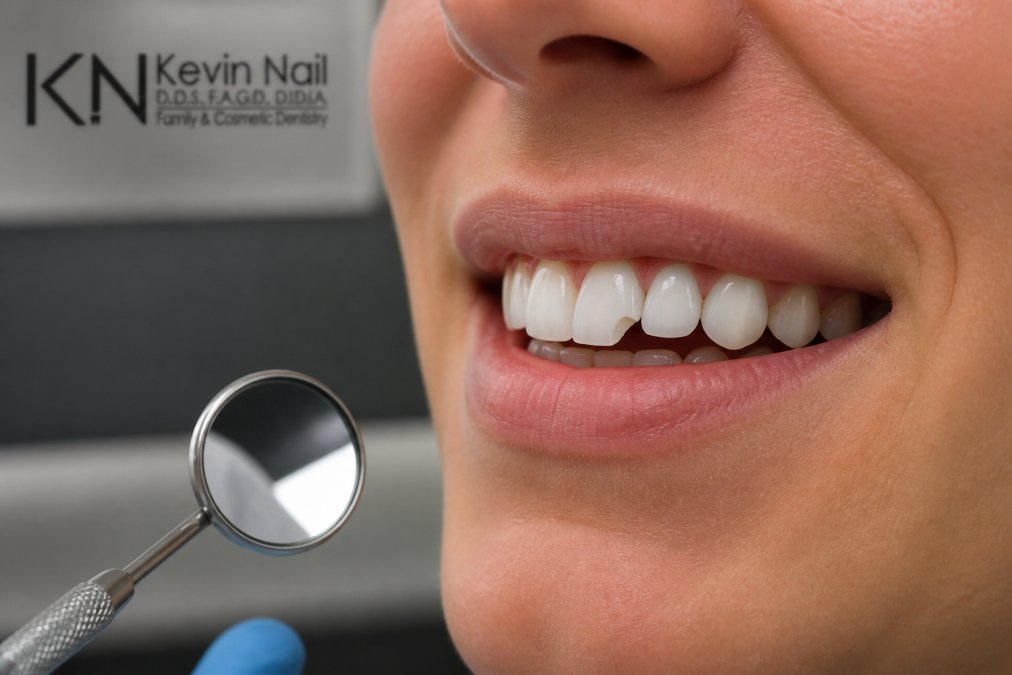
Schedule a consultation immediately if you notice cracking. Waiting allows small cracks to become full fractures requiring emergency removal. Schedule a consultation immediately if you notice cracking. Waiting allows small cracks to become full fractures requiring emergency removal.
Gum Recession and Changes to Your Smile's Appearance
Gum recession is both cosmetic and a warning sign. When gums pull back, you may see a dark line or natural tooth color at the base, changing your smile's appearance.
Recession results from poor oral hygiene, aggressive brushing, natural aging, or imperfect veneer fit that traps bacteria.
Once recession begins, the veneer looks unnatural and no longer blends seamlessly. This is a common reason patients replace veneers, not because the veneer failed, but because the gum line changed.
Periodontal health is also at stake. Receded gums expose more of your tooth root, which is softer than enamel and more vulnerable to sensitivity and decay. If recession is severe, your dentist may recommend replacing the veneer and addressing the underlying gum health before placing a new one.
Staining, Discoloration, and Surface Roughness
Porcelain veneers resist staining better than natural teeth but can discolor over time from the bonding agent or surface exposure to coffee, wine, or tobacco.
Surface roughness indicates degradation. Rough veneers trap stains and bacteria, creating discoloration and decay risk, signaling the veneer is aging.
Unlike natural teeth, veneers cannot be whitened, color is permanent. If noticeably darker or yellowed, replacement is often the only option.
Marginal leakage, where the seal between the veneer and tooth breaks down, can also cause staining. You may notice a brown or gray line at the edge of the veneer, or discoloration spreading underneath. This is a sign that bacteria and moisture are getting between the veneer and your natural tooth, which can lead to decay.
Loose, Ill-Fitting Veneers and Bite Changes
A loose veneer needs immediate attention, it means the bonding agent has failed and the veneer is no longer secure.
Loose veneers shift position and change bite alignment, causing jaw pain, headaches, and wear on other teeth.
Occlusal forces (the pressure from chewing) will eventually dislodge a loose veneer completely if it's not replaced. You might notice the veneer is slightly raised compared to your other teeth, or that food gets trapped underneath more easily than it used to.
If your veneer has become loose, we'll remove it, clean the underlying tooth, and bond a new veneer with techniques designed to last.
How Long Do Porcelain Veneers Last
Porcelain and composite resin veneers degrade differently and have distinct replacement timelines. Knowing your material type helps you anticipate replacement.
Porcelain Veneers: 10-15 Years (Often Longer)
Porcelain veneers last 10-15 years with proper care, often longer. Fired at high temperatures, they create a non-porous surface that resists staining, chipping, and wear far better than composite resin.
Longevity depends on placement quality, oral hygiene, diet, bruxism (teeth grinding reduces lifespan 3-5 years; use a night guard), and bite alignment.
Composite Resin Veneers: 5-7 Years
Composite resin veneers cost less but last only 5-7 years. The softer, porous material is more susceptible to staining, chipping, and degradation.
Composite veneers require more frequent maintenance as the bonding agent degrades faster and micro-fractures spread into visible cracks.
Laboratory-made composite veneers last slightly longer (6-8 years) than chairside composite because they are more densely packed and cured under controlled conditions, but still fall short of porcelain.
Assessing Your Current Veneers
If your veneers are approaching or past the 10-year mark (for porcelain) or 5-year mark (for composite), schedule a professional dental exam to assess their condition. Your dentist can tell you whether they're still sound or whether replacement is on the horizon. During this exam, ask your dentist to document the material type and placement date so you have a clear timeline for future planning.
Signs of Tooth Decay Under Veneers
Decay under veneers is invisible until advanced. By the time you notice sensitivity, pain, or dark spots, decay may be significant.
Decay develops when the seal breaks down, allowing bacteria and moisture into the gap. This happens even with regular brushing and flossing, since you cannot reach between the veneer and tooth.
Early signs include tooth sensitivity, pain when biting, a dark line at the veneer edge, or gum swelling.
The only way to know for certain whether decay exists under a veneer is through professional imaging. At Kevin Nail DDS, we use 3D cone beam CT scans for sub-millimeter precision. If decay is found, the veneer must be removed, the decay treated, and a new veneer placed.
Prevention is key: maintain excellent oral hygiene, floss daily, and visit your dentist every six months for a professional exam and cleaning.
Replacement vs. Repair: Making the Right Choice
Not every veneer problem requires full replacement. Sometimes repair is possible, and sometimes replacement is the only option. Understanding the difference helps you make an informed decision with your dentist.
When repair might work:
- A small chip at the edge can sometimes be smoothed or polished
- Minor surface staining can occasionally be addressed with professional cleaning
- A veneer that is slightly loose might be re-bonded without removal
When replacement is necessary:
- A crack that goes through the veneer
- Significant decay under the veneer
- Severe staining or discoloration that cannot be cleaned
- Gum recession that has changed the aesthetic line
- Bite misalignment caused by a loose veneer
- The veneer is more than 15 years old and showing multiple signs of wear
The decision also depends on cost and time. Repair is faster and less expensive, but it's often a temporary fix. Replacement takes more time and money upfront, but it gives you a veneer that will last another 10-15 years.
If replacement is the right choice, Dr. Nail personally performs the procedure, removing the old veneer carefully to preserve as much of your natural tooth structure as possible.
Cost of Replacing Dental Veneers and Financial Planning
Veneer replacement is a significant financial decision, and understanding the cost structure helps you plan and budget effectively.
Why Replacement Costs More Than Original Placement
Replacement requires careful veneer removal, tooth assessment for decay or damage, decay treatment if needed, enamel re-preparation, and new veneer fabrication, all adding cost and time.
Factors That Affect Replacement Cost
- Number of veneers:
- Material choice:
- Underlying tooth condition: If decay, damage, or structural issues are found, additional restorative work increases the total cost. This is why professional imaging before replacement is critical, it reveals hidden problems that affect pricing.
- Geographic location and practice: Costs vary by region and by the experience level of the dentist.
- Complexity of removal:
Insurance Coverage and What to Expect
Dental insurance coverage for veneer replacement varies widely and is often a source of confusion:
- Cosmetic classification:
- Restorative coverage: If decay or damage to the underlying tooth is involved, some plans may cover the restorative portion (decay treatment, bonding, or structural repair) but not the cosmetic veneer itself.
- Timing and pre-authorization:
- Annual maximums:
Financial Planning and Payment Options
Several strategies can make replacement more affordable:
- Staged replacement:
- Financing plans:
- Flexible spending accounts (FSA) and health savings accounts (HSA):
- Dental discount plans:
Getting an Accurate Cost Estimate
Frequently Asked Questions
How long do dental veneers typically last before needing replacement?
Porcelain veneers typically last 10 to 15 years with proper care, though some can last 20 years or longer depending on oral hygiene, bite forces, and material quality. Composite resin veneers generally have a shorter lifespan of 5 to 7 years. Regular dental exams help catch wear early and extend the life of your veneers through preventive maintenance.
What happens if you leave a damaged veneer on your tooth without replacement?
Leaving a damaged veneer in place allows bacteria and food debris to accumulate beneath it, creating conditions for tooth decay and gum disease. The underlying tooth structure can deteriorate, and marginal leakage around the veneer's edge may compromise the bonding agent. Over time, this can lead to more extensive damage requiring root canal treatment or extraction, making early replacement more cost-effective than delaying care.
Can a veneer be repaired, or does it always need replacement?
Some veneers can be repaired if the damage is minor and the bonding agent remains intact, though repairs are typically temporary solutions. Most chipping, significant cracking, or structural integrity issues require full replacement rather than repair. A professional dental exam can determine whether your specific veneer can be salvaged or needs replacement to restore proper aesthetic appeal and function.
How often should I have my veneers checked by a dentist?
Schedule professional dental exams every six months to monitor veneer condition, check for signs of decay under veneers, and assess bite alignment and gum health. Regular checkups allow your dentist to catch early warning signs like marginal leakage or enamel removal issues before they require costly replacement. Professional consultation also ensures your veneers maintain their aesthetic appeal and structural integrity over time.