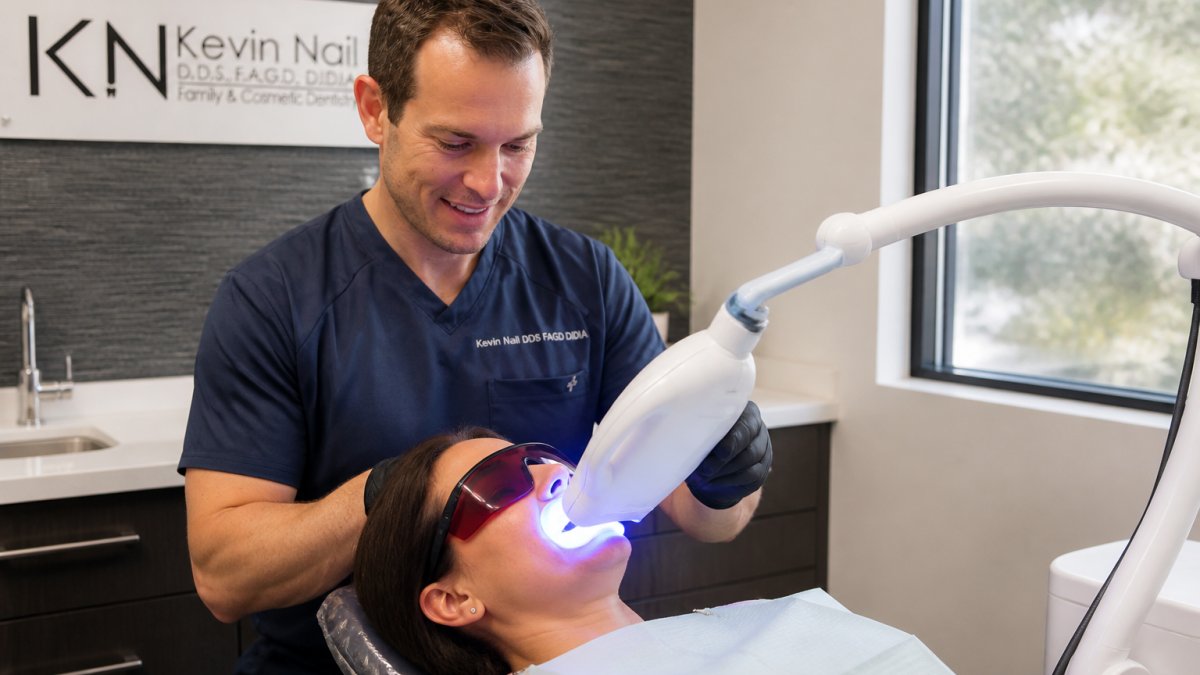
 blog
blog
Is Professional Teeth Whitening Worth It for Families?
Table of Contents
- Professional Teeth Whitening vs. At-Home Options: What's the Real Difference?
- How Long Do Professional Whitening Results Last?
- Professional Teeth Whitening Cost: What Families Should Budget
- Is Professional Teeth Whitening Safe for Teenagers?
- Pros and Cons of Professional Whitening for Your Household
- Tooth Sensitivity and Side Effects: What to Expect
- Is Professional Whitening Worth It? A Family Decision Framework
- Frequently Asked Questions
Last Updated: October 5, 2026
Professional Teeth Whitening vs. At-Home Options: What's the Real Difference?
Professional teeth whitening differs fundamentally from at-home options in strength, precision, and results.
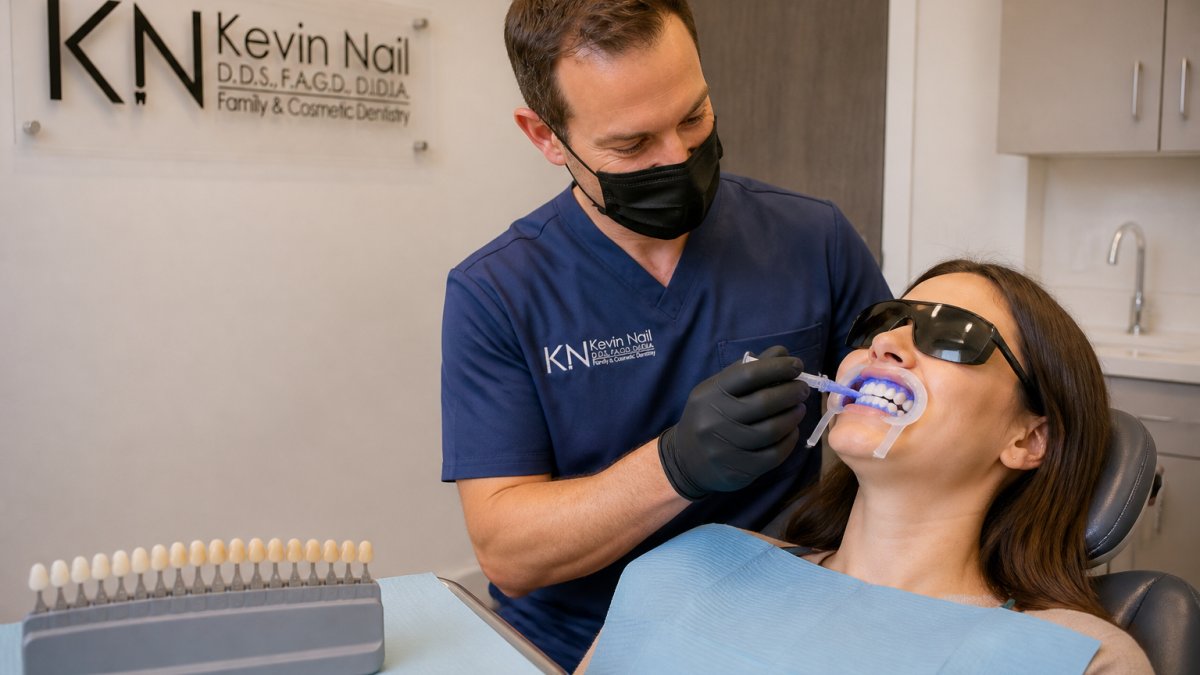
Professional whitening uses stronger bleaching formulations that work faster and more effectively than over-the-counter strips or trays.
At-home kits use lower bleaching concentrations and require consistent use over weeks to match professional results, which many families find frustrating when seeking quick improvement.
[IMAGE: Professional dental hygienist applying professional whitening gel to patient's teeth in modern dental office with shade guide visible | section:Professional Teeth Whitening vs.
Professional whitening offers customization: a dentist assesses tooth type, discoloration, and sensitivity, then adjusts bleaching strength to your needs.
Professional whitening takes one to two hours in a single appointment with results the same day. At-home whitening requires daily application for two to four weeks.
Professional treatment often includes custom trays molded to your exact teeth, ensuring even bleaching agent contact.
How Long Do Professional Whitening Results Last?
Professional whitening results typically remain visible for six months to two years, depending on your habits and lifestyle.
Longevity depends on consumption habits. Staining beverages like coffee, tea, red wine, and dark sodas gradually re-stain teeth, as do pigmented foods like berries and tomato-based sauces.
Tobacco use significantly shortens results, smokers often see fading within three to four months, while non-smokers may enjoy effects lasting up to two years.
Brushing twice daily and flossing maintain results longer; neglecting these habits accelerates staining.
Touch-up treatments refresh your smile at lower cost and faster than initial whitening. Most dentists recommend touch-ups every six to twelve months to maintain desired shade.
Surface stains fade faster than intrinsic stains that penetrate deeper. Intrinsic discoloration from aging or medication may require more frequent touch-ups.
Professional Teeth Whitening Cost: What Families Should Budget
Professional teeth whitening costs vary by location, dentist experience, and system used. Understanding the cost structure helps families budget for multiple members.
Professional whitening investment varies depending on the bleaching system, geographic region, and whether custom trays are included.
Insurance and payment reality: Cosmetic teeth whitening is not covered by most dental insurance.
Family cost comparison framework:
Compare professional whitening costs against at-home alternatives over two years:
The professional route costs more upfront but delivers faster results, longer-lasting effects, and often better value per person when treating multiple family members simultaneously.
Plan for touch-ups every 6-12 months. Spacing touch-ups 12 months apart can help manage costs while maintaining acceptable whiteness.
Ask whether your dentist offers seasonal promotions. Timing treatment to coincide with promotions can potentially reduce costs.
If budget is tight, stagger treatments across family members to spread costs while still providing professional results.
Professional whitening lasts 6-24 months; at-home kits fade faster and require repurchase.
Is Professional Teeth Whitening Safe for Teenagers?
Professional teeth whitening can be safe for teenagers when supervised by a qualified dentist who understands adolescent dental development. Age alone doesn't disqualify teens from treatment, but their individual dental maturity matters.
Most dentists recommend waiting until permanent teeth have fully erupted and matured. A dentist can assess individual readiness.
Tooth sensitivity is more common in younger patients. A dentist can use lower-concentration agents or shorter times to minimize sensitivity while delivering results.
Whitening doesn't affect fillings or bonding. If a teen has restorations, whitening natural teeth may create noticeable contrast. Discuss this with your dentist before treatment.
Professional dentists apply protective barriers to gums before whitening. This helps make professional treatment safer for teenagers.
Pros and Cons of Professional Whitening for Your Household
Professional whitening offers clear advantages for families seeking dramatic, fast results. The main benefit is speed: significant improvement in a single appointment rather than weeks of waiting.
Pros of professional whitening:
- Noticeably whiter teeth within hours
- Customized treatment based on your specific tooth type
- Reduced risk of gum irritation due to professional application
- Results typically last longer than at-home alternatives
- Dentist can address underlying staining issues
- Custom trays ensure even whitening coverage
- Professional supervision can help manage side effects
Cons of professional whitening:
- Higher upfront cost compared to at-home kits
- Results fade gradually over months, requiring maintenance
- Tooth sensitivity may occur temporarily after treatment
- Not suitable for teeth with existing damage or decay
- Doesn't work on artificial dental materials like crowns
- Requires scheduling an appointment and travel time
- Multiple family members mean multiple appointments and costs
The decision depends on your family's priorities. If you value speed and don't mind investing more upfront, professional whitening wins. If budget is tight and you're willing to wait for results, at-home options work, though they demand consistent effort.
Tooth Sensitivity and Side Effects: What to Expect
Tooth sensitivity is the most common side effect of professional whitening. Some patients experience temporary sensitivity to hot or cold foods and drinks for a few days after treatment.
Bleaching agents temporarily open pores in tooth enamel, allowing chemicals to penetrate deeper, what makes professional treatment effective. Once treatment ends, pores close and sensitivity fades.
Gum irritation can happen if bleaching gel contacts soft tissue. A professional dentist applies protective barriers to help prevent this.
Some patients report temporary discomfort after professional whitening, which typically resolves within 24-48 hours. Over-the-counter pain relievers can help if needed.
Professional whitening, when performed correctly, doesn't damage healthy enamel, bleaching agents work on color molecules, not enamel structure. However, pre-existing damage or cavities may worsen if untreated.
Allergic reactions are rare but possible. Inform your dentist of any sensitivities so they can choose appropriate products.
| Side Effect | Likelihood | Duration | Management |
|---|---|---|---|
| Tooth sensitivity | Common | Days to 1 week | Sensitivity toothpaste, avoid extreme temperatures |
| Gum irritation | Uncommon | Hours to 1 day | Protective barriers during treatment |
| Temporary discomfort | Occasional | 24-48 hours | Over-the-counter pain relief |
| Enamel damage | Very rare | N/A | Prevents with proper technique |
Is Professional Whitening Worth It? A Family Decision Framework
Deciding whether professional whitening is worth it requires evaluating cost, timeline, and which family members are suitable candidates, as different dental circumstances affect appropriateness and effectiveness.
Step 1: Assess each family member's age and dental maturity
- Children under 13: Professional whitening is generally not recommended. Primary (baby) teeth are temporary and naturally whiter than permanent teeth. Whitening primary teeth provides no long-term benefit. It is generally advised to wait until permanent teeth have erupted and stabilized.
- Teenagers (13-17): Professional whitening can be safe when a dentist confirms that permanent teeth have fully erupted and enamel has matured. Teens often have strong motivation (school photos, social events, sports), making them good candidates. However, a dentist should assess individual maturity and sensitivity risk before treatment.
- Adults (18+): All adults are candidates if they have no contraindications. Age alone does not disqualify anyone from whitening.
Step 2: Identify contraindications that make whitening inadvisable
Certain dental conditions mean whitening should be postponed or avoided:
- Untreated cavities or decay: Whitening agents can penetrate cavities and irritate the nerve. All decay must be filled before whitening.
- Gum disease or active gum inflammation: Whitening on inflamed gums causes pain and may worsen infection. Gum health must be restored first.
- Enamel erosion or significant wear: Thinned enamel increases sensitivity and may not respond well to whitening. A dentist can assess whether treatment is safe.
- Pregnancy: While whitening is not proven to harm a fetus, most dentists recommend postponing cosmetic procedures during pregnancy as a precaution. Postpone whitening until after pregnancy and breastfeeding.
- Recent dental work or open margins: Whitening agents can seep into gaps around new fillings or crowns. Wait at least 1-2 weeks after placement before whitening.
- Severe tooth sensitivity: Patients with pre-existing sensitivity may experience significant discomfort during whitening. A dentist can use lower-concentration agents or recommend sensitivity management before treatment.
Step 3: Evaluate stain type and restoration status
Whitening effectiveness varies based on the type of discoloration and existing dental work:
- Surface stains (extrinsic): Caused by coffee, tea, wine, tobacco, or food. These respond very well to professional whitening. If a family member's discoloration is primarily surface-level, whitening can be highly worthwhile.
- Deep stains (intrinsic): Caused by aging, medications (like tetracycline), or internal tooth structure. These respond more slowly and may require multiple treatments or higher-concentration agents. Intrinsic staining may make whitening less cost-effective unless your family is willing to invest in multiple sessions.
- Dental restorations (crowns, veneers, bonding, fillings): Whitening agents do not bleach artificial materials. If a family member has a crown on a front tooth, whitening the surrounding natural teeth may create a noticeable color mismatch. In these cases, whitening may only be worthwhile if the person accepts the mismatch or plans to replace the restoration afterward (which adds cost).
Step 4: Consider individual motivation and timeline
- Event-driven motivation: A teenager preparing for prom photos or a parent with an upcoming wedding has clear motivation and will likely be satisfied with results. Professional whitening's speed (results can be seen in one appointment) aligns with this need.
- General cosmetic desire: A family member who simply wants a brighter smile but has no specific deadline may be satisfied with slower at-home options or may benefit from a single professional treatment followed by at-home maintenance.
- Low motivation or skepticism: If a family member is uncertain about whitening, start with a less expensive at-home option or discuss realistic expectations with a dentist first. Forcing whitening on an unmotivated person wastes money.
Step 5: Calculate household cost-benefit with individual variation
- High-benefit candidates: Teenagers with surface stains, no restorations, and strong motivation. Cost per person can be justified because results can be dramatic and lasting.
- Moderate-benefit candidates: Adults with mixed stain types and one or two restorations. Results will be good but not perfect. Weigh cost against satisfaction.
- Low-benefit candidates: Family members with severe intrinsic staining, multiple restorations, or low motivation. Consider whether whitening is truly worthwhile or whether other cosmetic options (veneers, bonding) might deliver better results.
Step 6: Plan maintenance and touch-up frequency
- Low-staining lifestyle (minimal coffee, tea, wine; no smoking): Results may last 12-24 months. Touch-ups every 12 months are sufficient.
- Moderate-staining lifestyle: Results typically last 6-12 months. Plan for touch-ups every 6-9 months.
- High-staining lifestyle (heavy coffee drinker, smoker, red wine consumer): Results may fade within 3-6 months. Frequent touch-ups become costly and may not be worthwhile.
If a family member has habits that will quickly fade whitening results, discuss whether the investment is justified or whether lifestyle changes should come first.
Family decision checklist:
Before committing to professional whitening for any family member, confirm:
- ☐ Age is appropriate (teen or adult with mature permanent teeth)
- ☐ No untreated cavities, gum disease, or enamel erosion
- ☐ Not pregnant or breastfeeding
- ☐ Stain type is primarily surface-level or moderately intrinsic
- ☐ Restorations won't create unacceptable color mismatch
- ☐ Person is genuinely motivated
- ☐ Budget allows for initial treatment plus 1-2 touch-ups over two years
- ☐ Lifestyle habits support result longevity
If most checkboxes are true, professional whitening may be a suitable option. If several are false, discuss alternatives with your dentist.
Frequently Asked Questions
Is professional teeth whitening better than at-home whitening?
Professional teeth whitening can typically deliver faster, more dramatic results because dentists use higher concentrations of bleaching agents under controlled conditions. In-office treatments can often show visible results in a single appointment, while over-the-counter strips and trays take weeks. Professional whitening can also allow dentists to protect your gums and manage sensitivity during treatment. However, at-home options cost less upfront and work adequately for mild discoloration. The choice depends on how quickly you want results and your budget.
How much does professional teeth whitening cost?
Professional teeth whitening costs vary based on the type of treatment, your dentist's experience, and your location. In-office bleaching typically costs more than take-home custom trays provided by a dental office. Many practices may offer payment plans or accept insurance for cosmetic treatments. For current pricing and financing options at a local dental office, contact them directly for a consultation and quote. Some dental insurance plans may not cover cosmetic whitening, so confirm your coverage beforehand.
How long do professional teeth whitening results last?
Professional whitening results typically last between 6 months and 2 years, depending on your diet, habits, and lifestyle. Consuming stain-causing foods and drinks like coffee, red wine, and dark berries accelerates fading. Smokers often see results fade faster. Many patients maintain their brighter smile with occasional touch-up treatments or at-home maintenance trays provided by their dentist. Establishing a routine of touch-ups helps extend the longevity of your whitening investment.
Is professional teeth whitening safe for teenagers?
Professional teeth whitening can be safe for teenagers when supervised by a dentist, but timing matters. Most dentists recommend waiting until a teen's permanent teeth are fully developed. Younger teens may experience increased tooth sensitivity because their enamel is still maturing. A dentist can assess your teen's individual suitability, discuss potential side effects, and recommend the gentlest approach. Always consult with a dental professional before pursuing whitening for younger family members.