 Listicle
7 Signs You Are a Good Candidate for Teeth Whitening
Quick Summary
You are likely a good candidate for teeth whitening if your teeth and gums are healthy, your stains sit mainly on the surface, and your teeth have a yellow tone. Cavities, cracks, gum disease, or exposed roots should be treated first, and a dental exam confirms whether teeth whitening is right for you.
- Whitening works best on healthy teeth with no active cavities, cracks, or gum problems.
- Surface stains from coffee, tea, red wine, cola, and tobacco usually respond well.
- Yellow tones generally lighten more noticeably than gray, brown, or blue-gray tones.
- Crowns, veneers, bonding, and fillings will not lighten during whitening.
- Pregnant or nursing patients should usually postpone elective whitening.
Table of Contents
- Why Candidacy Matters Before You Whiten
- Signs You Are a Good Candidate for Teeth Whitening
- Professional Teeth Whitening Versus At-Home Kits
- Teeth Whitening for Yellow Teeth: What to Expect
- Teeth Whitening Sensitivity: Risks and How to Reduce Them
- Teeth Whitening With Crowns, Veneers, and Fillings
- Scheduling Your Dental Exam Before Whitening
- Frequently Asked Questions
Why Candidacy Matters Before You Whiten
Last Updated: November 19, 2026
Teeth whitening is one of the most requested cosmetic dental treatments, but it does not work the same way for everyone. Many patients who want a brighter smile are not sure whether their teeth will respond.
Whitening lightens stains on the enamel and dentin. It does not change the color of crowns, veneers, fillings or other dental restorations, and it cannot fix every type of discoloration. A short screening, starting with your overall oral health, tells you whether whitening is a reasonable next step or whether something else needs attention first.
Signs You Are a Good Candidate for Teeth Whitening
Most people who respond well to whitening share a few traits, but a simple yes-or-no list is not enough. Use the screening checklist below to sort yourself into one of three groups: likely a good candidate, needs a dental exam first, or probably not a good candidate until something else is treated. A dentist still has to confirm suitability with an exam and, usually, x-rays.
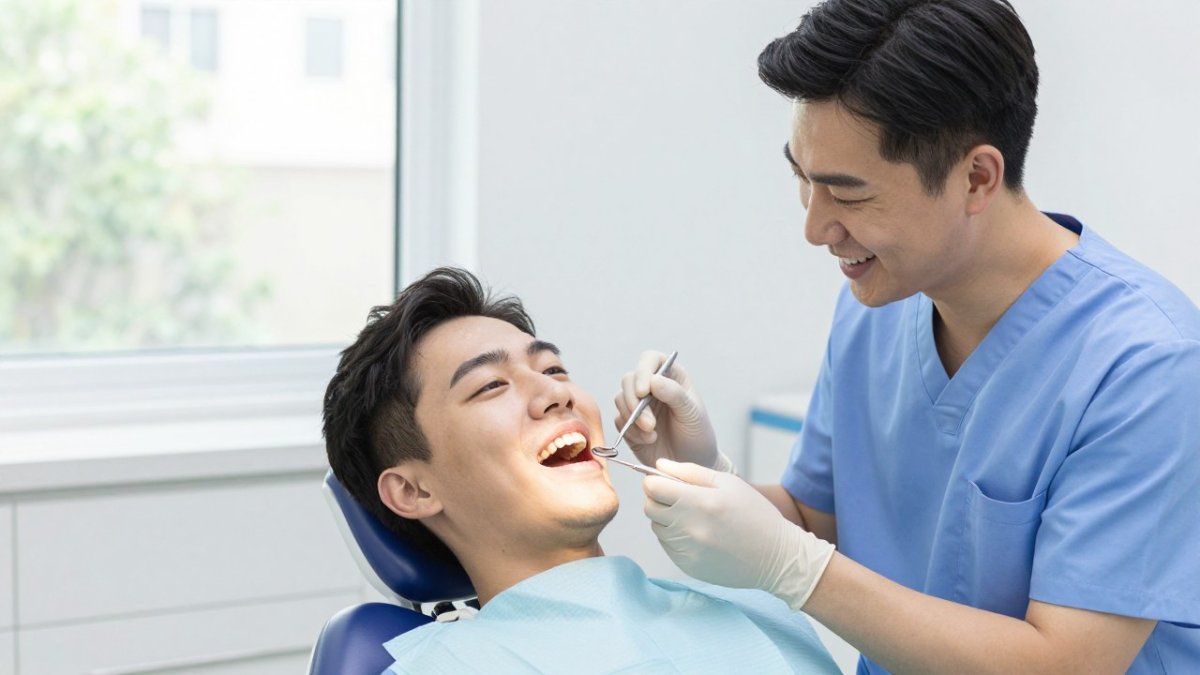
A Practical Candidacy Screening Checklist
Work through each item and note whether it applies to you.
- Your teeth and gums are healthy. No active cavities, no cracked or fractured teeth, no loose fillings, and no bleeding or swollen gums. If you have any of these, whitening should wait.
- Your discoloration is mainly on the surface. Stains from coffee, tea, red wine, cola, and tobacco usually sit on the enamel and respond well. Stains that are deep inside the tooth are less predictable.
- Your natural tooth color is in the yellow range. Yellow tones generally lighten more noticeably than gray, brown, or blue-gray tones.
- You have no untreated decay or gum disease. Bleaching gel can reach decay and cause sharp pain, and inflamed gums are more easily irritated by the gel.
- Your roots are not exposed. Receding gums leave the softer root surface uncovered, and that area is much more sensitive to bleaching agents.
- You are not pregnant or nursing. Most dentists recommend postponing elective whitening until after pregnancy and breastfeeding.
- You understand the limits. Whitening brightens natural teeth by a few shades; it does not produce a pure-white result and does not change the color of restorations.
- Your restorations are in good shape and you have a plan for them. Crowns, veneers, bonding, and fillings will not lighten, so visible restorations may need replacement or color matching after whitening.
- You can follow a treatment schedule. At-home kits typically require consistent use over several weeks, and professional trays need to be worn as directed.
- You are willing to have an exam first. A dentist needs to check for cavities, cracks, worn enamel, and gum problems before recommending any bleaching product.
What to Do About Cavities, Gum Disease, or Exposed Roots Before Whitening
If any item on the checklist points to an oral health problem, the safe next step is a dental exam, not a whitening product. Here is the usual order of treatment:
- Cavities: A filling or other restoration should be completed and the tooth should be symptom-free before whitening. Bleaching an untreated cavity can cause sharp, lasting pain.
- Gum disease: Active gum inflammation should be treated first, often with a cleaning or periodontal therapy. Whitening gel on inflamed tissue can cause burns or prolonged irritation.
- Exposed roots: If gums have receded, a dentist may recommend desensitizing treatment, a gum graft evaluation, or a milder whitening approach. Root surfaces are not enamel and respond differently to bleach.
- Cracked or worn teeth: Cracks can let bleach reach the nerve, so these teeth need to be evaluated and often restored before cosmetic treatment.
Watch out: Do not start an at-home whitening kit to "test" whether a sensitive or aching tooth can handle it. Pain during whitening can be a sign of decay, a crack, or an exposed root that needs treatment first.
When Whitening May Not Be Effective
Whitening is unlikely to give you the result you want if your discoloration comes from tetracycline or other medication exposure, fluorosis, trauma, or a dead tooth. In those cases, a dentist may recommend veneers, bonding, or internal bleaching instead. Likewise, if most of your visible smile is made up of crowns or veneers, whitening your natural teeth will not change the overall color of your smile.
Consulting a Dentist Before Treatment
A dental exam is the only reliable way to confirm candidacy. During the visit, expect a check of your teeth and gums, a review of any restorations, and a clear explanation of your options. Bring a list of medications, past dental treatments, and questions about sensitivity or existing work. That exam turns the checklist above into a real answer about whether whitening fits your smile and your oral health.
Professional Teeth Whitening Versus At-Home Kits
Professional whitening and at-home kits both use bleaching agents, but they differ in strength, supervision and results. Professional treatment is applied under a dentist's direction, which allows for stronger formulas and better protection of your gums. If whitening won't fix your stains, you can compare porcelain veneers and crowns to see which restoration fits your needs. At-home kits are milder and usually take longer to show a result.
| Factor | Professional Whitening | At-Home Kits |
|---|---|---|
| Supervision | Dentist evaluates your teeth first | Self-directed |
| Gum protection | Custom barrier applied | Often a generic tray or strip |
| Speed of results | Often visible in one visit | Usually several weeks |
| Cost | Higher upfront cost | Lower price, varies by product |
| Best for | Patients with sensitivity concerns or uneven stains | Mild surface stains |
Professional whitening may be a better fit for some patients, such as those with sensitive teeth or stains that have not responded to store-bought products. Results and costs depend on the treatment chosen, so contact the office through the website or call for current pricing and a quote during your exam.
Teeth Whitening for Yellow Teeth: What to Expect
Yellow teeth are often the easiest to whiten. The yellow tone reflects the dentin beneath the enamel, and bleaching agents can lighten it effectively. Still, the change is usually gradual and the final shade depends on your starting color and the cause of the discoloration.
Expect a noticeable lift in brightness, not a transformation to pure white. Results vary from person to person. Keep up good brushing and flossing to protect the results, and avoid heavily pigmented foods during the whitening period.
Teeth Whitening Sensitivity: Risks and How to Reduce Them
Sensitivity is the most common side effect of whitening, and it is also the most common reason people stop treatment early. The discomfort usually feels like a brief sting with hot or cold foods and typically fades within a few days after treatment ends. The risk is higher if you have receding gums, exposed roots, cracked teeth, untreated decay, or a history of sensitive teeth.
A Practical Sensitivity-Reduction Protocol
Most practitioners find that a planned approach lowers the chance of discomfort more than simply using a weaker product. A common pattern looks like this:
- Start with a dental exam. A dentist should check for cavities, cracks, worn enamel, and gum recession before any bleaching. Treating those problems first is the single most effective way to reduce sensitivity risk.
- Use desensitizing toothpaste before and during treatment. Toothpastes made for sensitive teeth, used for one to two weeks before whitening and continued during treatment, can reduce nerve response. Ask your dentist which product fits your situation.
- Follow the schedule and strength your dentist recommends. Do not increase wear time or use a stronger product to speed results. More bleach is not better if it causes pain.
- Protect your gums. Custom trays and a dentist-applied barrier keep gel off gum tissue. If you have receding gums or exposed roots, ask for a milder formulation or a shorter contact time.
- Space out at-home applications. Alternating days or following the product's stated schedule gives enamel and nerves time to recover between applications.
- Avoid very hot or very cold foods during treatment. Temperature extremes are more likely to trigger a sting while teeth are sensitive.
Aftercare That Protects Results and Comfort
After whitening, keep up good brushing and flossing, and avoid heavily pigmented foods and drinks for the first few days, since enamel is more porous right after treatment. If your dentist recommends a desensitizing toothpaste, continue it for a week or two after the final session. Routine cleanings help maintain the result and let your dentist check for any new problems.
Watch out: If sensitivity is severe, lasts longer than a few days after treatment ends, or comes with sharp pain to biting or chewing, stop whitening and contact your dentist. Persistent pain can signal a crack, decay, or another problem that needs attention rather than more bleaching.
When Discomfort Means Stop
Mild, brief sensitivity is expected. Discomfort that is sharp, one-sided, or worsening is not. Stop treatment and seek advice if you notice pain that lingers after the gel is removed, pain when biting down, or gum irritation that does not settle. Those signs point to a problem that a dentist should evaluate before you continue.
Teeth Whitening With Crowns, Veneers, and Fillings
Whitening only affects natural tooth structure. Crowns, veneers, bonding and fillings do not lighten, so they can end up darker than your whitened teeth. If your existing veneers are aging, learn the signs that your veneers need to be replaced. This is one of the most common surprises for patients who already have dental work.
Plan ahead. Many dentists whiten natural teeth first, then match restorations to the new shade. If you have visible restorations on front teeth, ask whether replacement or color matching makes sense before treatment starts.
Scheduling Your Dental Exam Before Whitening
A dental exam is the best way to confirm you are a good candidate. At Kevin Nail DDS in Copperfield, Dr.
To book an exam, call 281-550-9054. Patients from Cypress and nearby areas can find our Copperfield office and services before scheduling. Bring a list of any medications, past dental treatments and questions about sensitivity or existing work.
Ready to find out whether teeth whitening is right for you? Call Kevin Nail DDS at 281-550-9054 to schedule a consultation. Our team can review your teeth, your restorations and your goals so you know what to expect before you start.
Frequently Asked Questions
What disqualifies you from teeth whitening?
Several conditions can make whitening unsuitable or risky until they are addressed. Active cavities, untreated gum disease, exposed tooth roots, cracked teeth, and existing sensitivity should generally be evaluated first. Pregnancy and breastfeeding are commonly reasons to postpone whitening, and people with certain medications or medical conditions should check with their care team. Whitening also will not change the color of crowns, veneers, or fillings, so those restorations may need replacing to match a brighter shade. A dental exam can confirm whether whitening is appropriate for your situation.
Can yellow teeth actually be whitened?
Yellow teeth often respond well to whitening, especially when the discoloration comes from surface stains caused by coffee, tea, red wine, or tobacco. Intrinsic stains, which develop inside the tooth from factors such as certain medications or childhood fluoride exposure, can be harder to lighten and may show less change. Results vary, so a dentist can evaluate the cause of the yellowing and discuss realistic expectations for your teeth.
Does teeth whitening work on crowns, veneers, or fillings?
Whitening agents only lighten natural tooth enamel and dentin, so crowns, veneers, bonding, and fillings will stay the same shade. If your natural teeth become noticeably brighter, existing restorations may look darker by comparison. Many patients whiten first and then have restorations matched to the new shade. Your dentist can plan the sequence with you.
Should you whiten your teeth if you have sensitive teeth?
Teeth whitening can increase tooth sensitivity in some people, and sensitivity may be more likely if you already have it. Before whitening, a dentist can check for cavities, gum problems, or exposed roots that may need treatment. Your dentist may recommend a desensitizing toothpaste, a lower-strength or gentler whitening option, or a shorter treatment schedule to reduce discomfort.