 comparison
Houston TX Dentistry: How to Choose the Right Practice
Table of Contents
- What to Compare in Houston TX Dentistry
- Family Dentist Houston: One Provider for Every Age
- Cosmetic Dentistry Houston: Veneers, Bonding, and Clear Aligners
- Affordable Dentist Houston: Costs, Insurance, and PPO Networks
- Houston Dentist Reviews: What to Read and What to Ignore
- Credentials and Treatment Quality: How to Evaluate a Dentist
- Neighborhood Access, Hours, and Language Support
- Frequently Asked Questions
Last Updated: October 19, 2026
What to Compare in Houston TX Dentistry
Choosing a dental practice is a decision most people make in a hurry and live with for years. Houston tx dentistry offers many options, from large multi-location groups to single-doctor practices, and the differences matter more than the storefronts suggest.
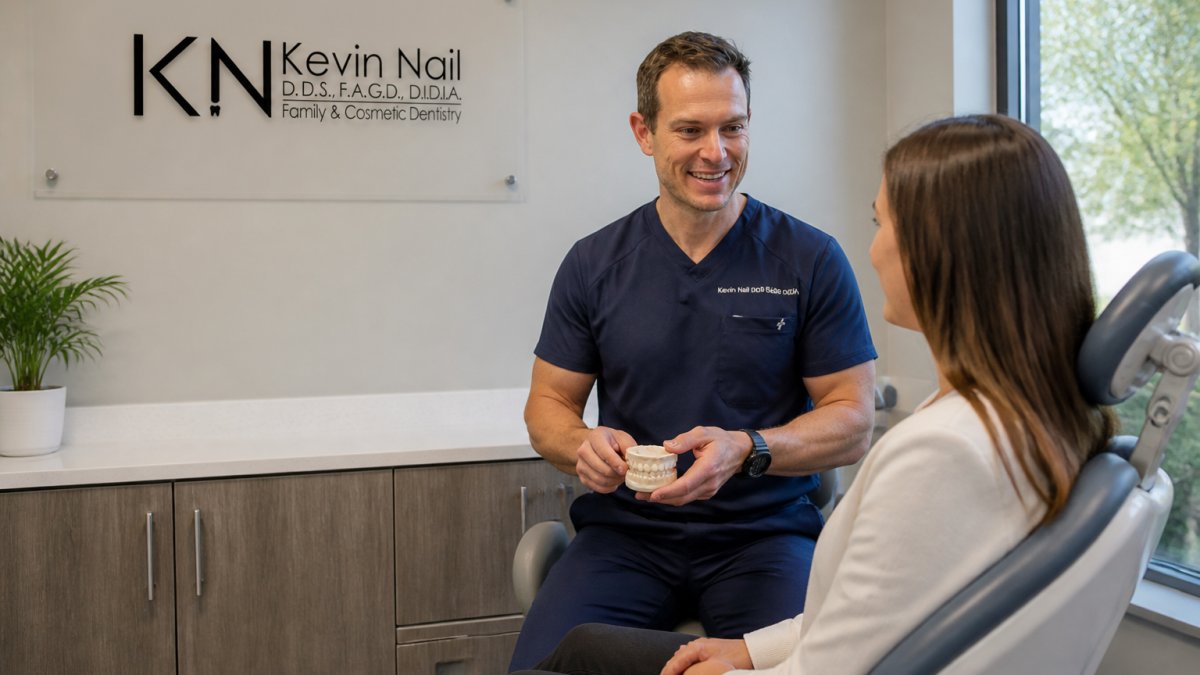
Practice Ownership and Continuity of Care
Privately owned practices and corporate chains operate differently, and the difference shows up in your chair time. In a private practice, the dentist who diagnoses your treatment usually performs it, and staff tend to stay for years. Corporate groups rotate associates more often, so the dentist who starts your crown may not be the one who finishes it.
Ask one direct question during your first call: who owns this practice, and will the same doctor handle my treatment from start to finish? The answer tells you more about continuity than any brochure.
Services Under One Roof
Comprehensive care means a practice handles cleanings, fillings, crowns, extractions, implants, and cosmetic work without referring you across town. That matters most for families, where one household may need a child's checkup, a spouse's veneers, and a parent's implant in the same year.
A common mistake is assuming every general practice offers the full range. Confirm the specific services you need are performed in-house before you book.
Family Dentist Houston: One Provider for Every Age
A family dentist Houston households can rely on treats children and adults under one roof, removing the scheduling scramble of juggling three providers. That continuity pays off: one record, one team that knows your family's history, and one set of habits reinforced at every visit.
Children's and adult general dentistry overlap more than people expect: sealants, fluoride, and early orthodontic screening for kids sit alongside preventive cleanings, gum care, and restorative work for adults. A family practice keeps both tracks running without sending anyone elsewhere.
Look for these when comparing family practices:
- Appointment blocks that work for school schedules, including early morning or Saturday hours
- A hygienist who stays with the practice, so your child sees a familiar face each visit
- Sedation options for anxious patients, from mild nitrous oxide to deeper sedation for restorative work
- Clear handling of children's first visits, with a plan for making the introduction calm rather than clinical
If your family currently uses three different dentists, ask a single practice whether it can absorb all three.
Cosmetic Dentistry Houston: Veneers, Bonding, and Clear Aligners
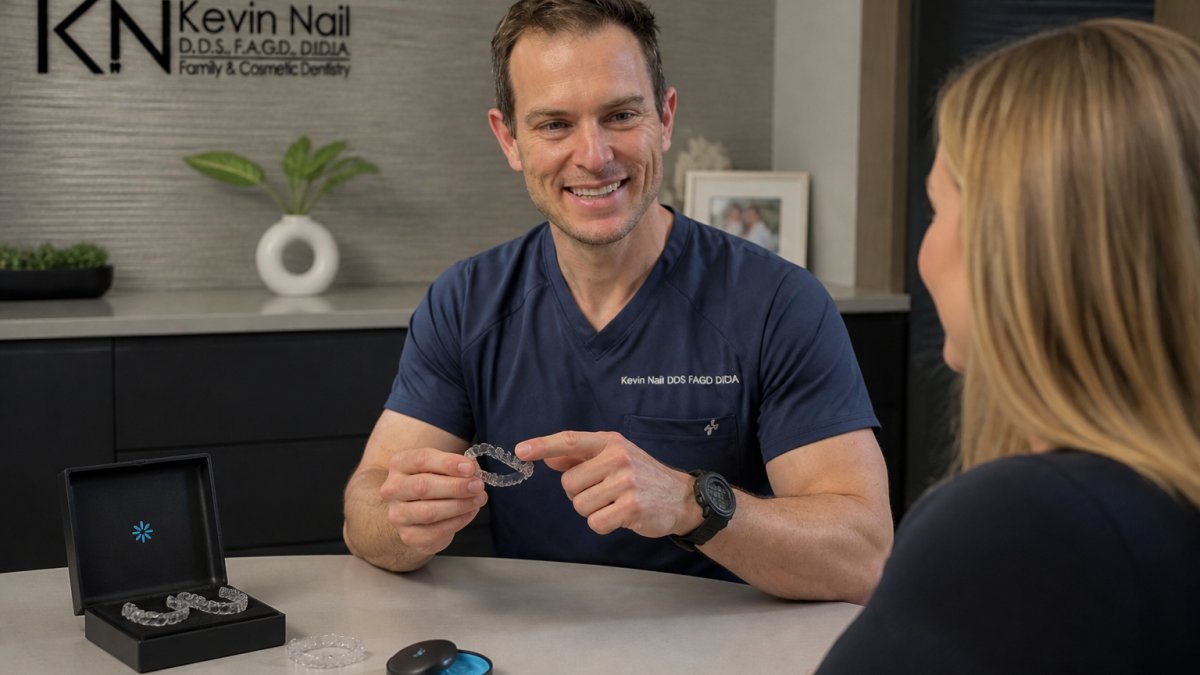
Cosmetic dentistry Houston patients ask about most often comes down to three treatments: porcelain veneers, composite bonding, and clear aligners such as Invisalign. Each solves a different problem, and the right choice depends on what you want to change.
Veneers are thin porcelain shells bonded to the front of teeth; they work well for chips, stubborn discoloration, and shape corrections, and require removing a small amount of enamel.
The concern we hear most is that cosmetic work will look artificial. Natural-looking results come from matching shade to your existing teeth rather than the whitest shade on the chart, and from shaping veneers to your face rather than a template.
Affordable Dentist Houston: Costs, Insurance, and PPO Networks
An affordable dentist Houston families can budget around explains cost before treatment, not after. Dental pricing varies by procedure, materials, and complexity, so a practice should give you a written estimate after an exam rather than a range over the phone. Here's what drives the number up or down, and how to verify your out-of-pocket share before you sit in the chair.
What Actually Drives the Price
Two practices can quote very different fees for the same procedure name because the name hides the variables. The factors that move cost most are:
- Material grade. A porcelain-fused-to-metal crown and a full-zirconia crown are both "crowns," but the lab fee and chair time differ. Ask which material is being quoted and why it fits your tooth.
- Whether a specialist performs the work.
- Imaging and planning. Implant cases planned with 3D cone beam CT (CBCT) carry an imaging cost that a plain-film plan does not, and that imaging is what allows sub-millimeter placement.
- Sedation. Nitrous oxide, oral sedation, and IV sedation are priced differently and are usually billed separately from the restorative work.
- Number of visits and lab remakes.
Because of these variables, a phone quote is a starting point, not a commitment. A written estimate after an exam is the only number you can compare across practices.
Insurance Scenarios You Should Be Able to Walk Through
Insurance is where most confusion starts. PPO plans typically cover preventive care at a higher percentage and restorative work at a lower one, and every plan sets its own annual maximum. Before your first visit, confirm three things:
- Is the practice in-network with your specific PPO plan? In-network and "we accept your insurance" are not the same thing. An out-of-network practice may still file for you, but your share is usually higher.
- What will my out-of-pocket estimate be for this treatment? Ask for the number in writing, itemized by procedure code.
- Does the practice offer payment plans for larger work such as implants or multiple crowns?
A practical test: describe a scenario and see whether the front desk can walk you through it. For example: "I have a PPO with a $1,500 annual maximum, I've used $400 this year, and I need a crown and a cleaning. What is my likely out-of-pocket?" A well-run office can explain how the remaining maximum, preventive coverage, and restorative percentage combine.
How to Request an Estimate Without Guessing
Ask for the estimate in writing, showing the procedure code, practice fee, estimated insurance payment, and your estimated patient portion. If a practice won't put an estimate in writing before treatment, treat that as a comparison signal. For a full breakdown of current fees and insurance handling, contact the practice directly. Kevin Nail DDS can walk you through your PPO benefits and provide a written estimate at your consultation.
Houston Dentist Reviews: What to Read and What to Ignore
Houston dentist reviews are useful only if you read them the right way. A wall of five-star ratings tells you people were happy, not why, and that's the part that predicts whether you'll be happy too. The goal isn't the highest score; it's reviews that describe the kind of visit you're likely to have.
Read for Pattern, Not Score
Sort reviews by newest first, then look for repeated mentions of the same strength or complaint. If ten reviews mention the doctor personally explains each step, that's a real signal; if several mention long waits or surprise billing, treat it as a warning regardless of the star average. A review that says "my implant took three visits and the second one was the longest" is more useful than one that says "great dentist."
Match the Review to Your Need
Reviews are most useful when filtered by the reason you're going. A practice with glowing cleaning reviews may have thin evidence for implant or emergency care. Before you book, search the review text for the procedure or situation you expect:
- Family and children: look for mentions of first visits, how staff handled a nervous child, and whether the same hygienist was seen twice.
- Implants and restorative work: look for mentions of the planning visit, imaging, and how the follow-up was handled.
- Emergencies and Saturday visits: look for mentions of same-day scheduling and how quickly the office responded.
- Anxiety and sedation: look for mentions of nitrous oxide, oral sedation, or how the team talked a patient through the appointment.
This is the patient-fit comparison directory pages don't give you: the same star average can mean very different things for a family with young children and an adult needing a single implant.
Spot the Reviews That Should Not Move You
What to ignore: one-line reviews with no detail, reviews that read like marketing copy, and a single angry review with no corroboration. Discount review counts that grew suspiciously fast, steady accumulation over years is more credible than a spike. Watch for clusters posted the same day or week, and reviews that praise the front desk but never mention a procedure.
Cross-Check Before You Commit
Reviews are one input, not the decision. Cross-check them against the practice's stated services, hours, and insurance participation. If reviews praise Saturday availability but posted hours show weekdays only, ask which is current. If reviews mention a dentist no longer listed on the site, ask who will perform your treatment. A short call resolves what the reviews cannot.
Credentials and Treatment Quality: How to Evaluate a Dentist
Credentials tell you how a dentist trained and how peers recognize them. They don't guarantee a good outcome, but they narrow the field fast.
A Fellowship in the Academy of General Dentistry (FAGD) means the dentist completed additional continuing education and passed an exam beyond the standard license.
Ask about training specific to the procedure you need. For implants, that means asking how the dentist plans placement, what imaging is used, and whether the technique is minimally invasive. Dr.
Treatment quality also shows in the small things: whether the dentist performs your procedure personally, whether the practice uses 3D imaging, and whether the same team members are there visit after visit.
Neighborhood Access, Hours, and Language Support
Location and hours decide whether you actually keep your appointments. A practice twenty minutes away with evening hours often beats a closer one that only books weekdays.
Northwest Houston neighborhoods such as Copperfield and Cypress sit at different distances from the major practice clusters.
Ask about Saturday hours and same-day emergency availability.
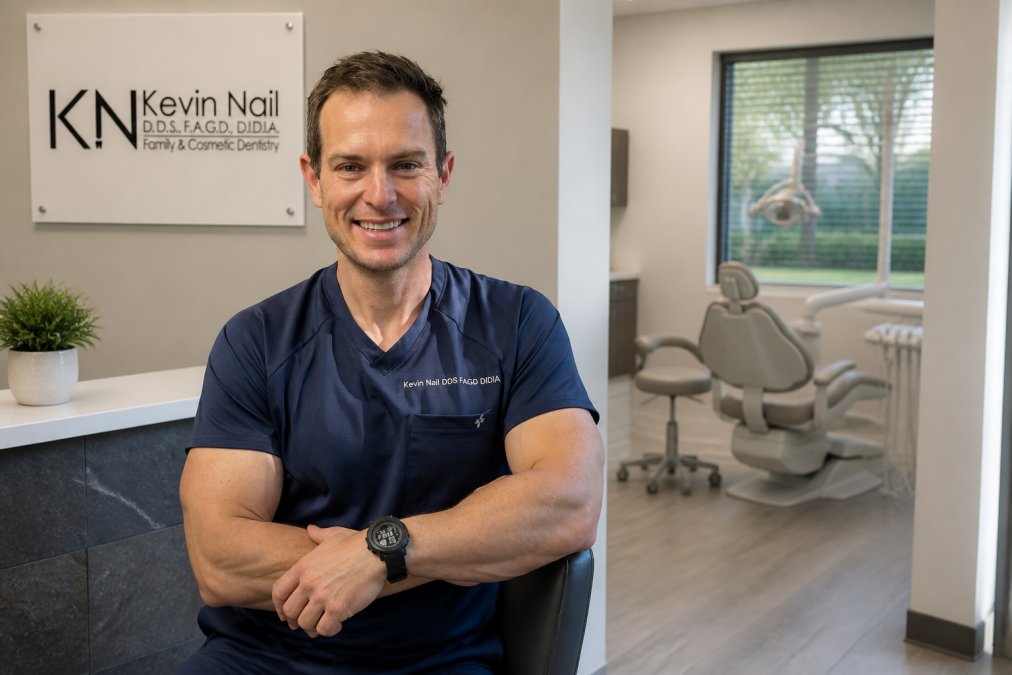
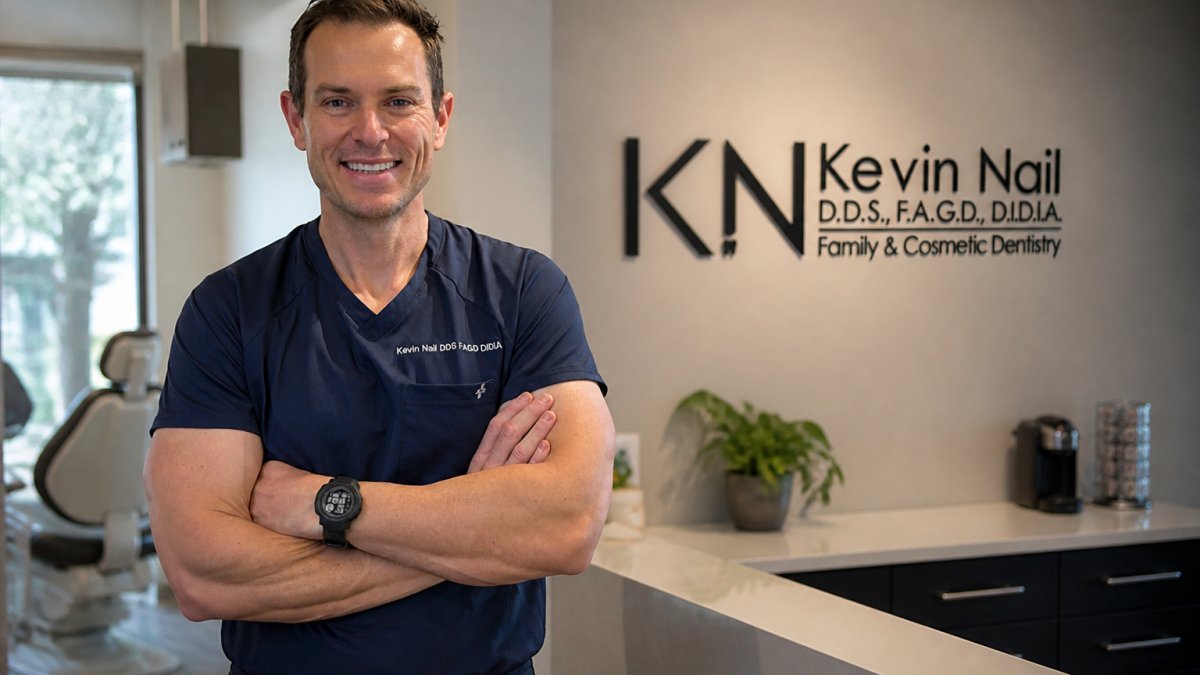
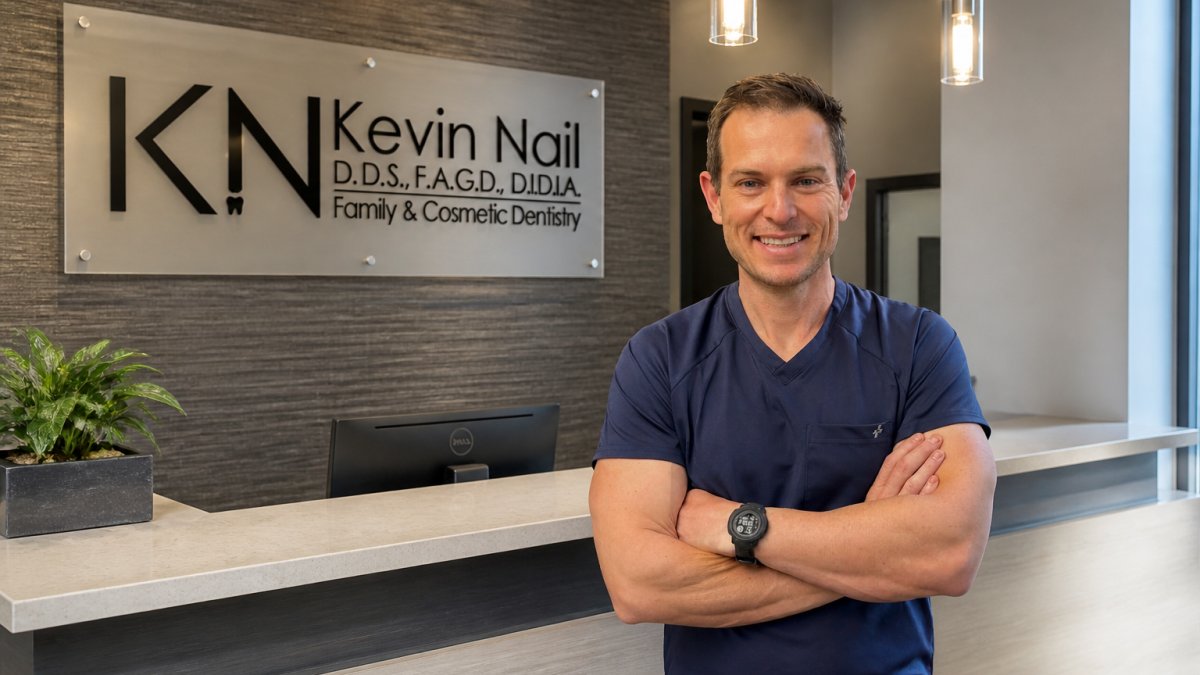
Kevin Nail DDS is a privately owned practice in Copperfield where Dr. Nail personally performs every procedure, with long-term staff who know patients by name and same-day emergency care available.
The hardest part of choosing a dentist isn't finding one.
Frequently Asked Questions
What should I look for when choosing a family dentist in Houston?
Look for a practice that treats every age, from children's cleanings to adult restorative work, so you are not driving to three offices. Check whether the same dentist personally performs procedures, how long staff members have stayed, and whether Saturday hours or online appointment requests fit your schedule. Read recent Houston dentist reviews for patterns about wait times, billing clarity, and comfort with anxious patients. Confirm the practice is in your PPO network before booking.
How much does a dentist in Houston cost, and will my PPO insurance cover it?
Pricing depends on the procedure, the practice, and your plan. Routine cleanings and exams are often partially or fully covered by PPO insurance, while cosmetic work such as veneers is typically not. Implants and crowns vary widely by complexity and materials. Ask for a written treatment estimate before care begins and confirm network status and annual maximums with your insurer. For current fees, contact the practice directly or check its website.
How can I compare dental offices before booking an appointment?
Start with a short list of practices near your neighborhood, then compare four things: services offered under one roof, whether the doctor performs every procedure, insurance and payment options, and verified patient reviews. Ask about emergency and Saturday hours, online appointment requests, and language support. A brief phone call or online form usually reveals scheduling flexibility and how clearly the team explains costs before you commit.
Should I choose a general dentist or a cosmetic dentist in Houston?
A general dentist handles preventive care, crowns, extractions, and often implants, while cosmetic dentists typically focus on aesthetic enhancements. Many practices offer both, which avoids referrals for routine and aesthetic work. If you are considering cosmetic work, ask how the dentist matches shade and shape to your face and existing teeth. For complex cosmetic cases, confirm the dentist's training and view before-and-after examples.