 Ultimate guide
How to Choose Restorative Dentistry Services That Last
Last Updated: November 6, 2026
Quick Summary
Restorative dentistry services repair or replace teeth that are decayed, damaged, or missing so your teeth function properly for chewing, speaking, and a stable bite. Choosing the right option depends on how much healthy tooth structure remains, the tooth's location, and the forces it bears.
- Fillings suit small to medium cavities with enough sound structure and are placed in a single visit.
- Crowns are generally recommended for large structure loss or to support a tooth after a root canal.
- Dental implants replace the root as well as the crown and can help preserve surrounding bone.
- Ask for a written, itemized treatment plan showing each procedure, material, and sequence before committing.
- Request a pre-treatment insurance estimate, since coverage levels and waiting periods vary by plan.
Table of Contents
- What Restorative Dentistry Services Cover and Why They Matter
- Conditions Treated: Decay, Damage and Missing Teeth
- Common Dental Restoration Procedures and How Each Is Selected
- Fillings: The Most Conservative Repair
- Crowns: Full-Coverage Protection
- Root Canal Treatment: Saving the Tooth From Within
- Bridges: Fixed Replacement for a Gap
- Dentures: Removable Replacement for Multiple or All Teeth
- Dental Implants: Replacing the Root as Well as the Crown
- How the Plan Is Sequenced
- Recovery, Longevity, and Maintenance at a Glance
- Risks and Limitations to Discuss Up Front
- Restorative Versus Cosmetic Dentistry: Where the Line Falls
- Restorative Dentistry Cost and Pricing Factors
- Restorative Dental Insurance: What PPO Plans Typically Review
- Booking Your Restorative Consultation at Kevin Nail DDS
- Frequently Asked Questions
What Restorative Dentistry Services Cover and Why They Matter
Restorative dentistry services repair or replace teeth that are decayed, damaged, or missing. The goal is to restore how your teeth function, from chewing and speaking to a stable bite.
The field covers many treatments, including American Dental Association guidance on restorative treatment for conditions that affect function.
The benefits extend beyond appearance: restored teeth protect remaining tooth structure, support normal chewing, reduce strain on your jaw joints, and make daily hygiene easier.
Conditions Treated: Decay, Damage and Missing Teeth
Restorative care typically addresses three categories of problems. Tooth decay creates cavities that weaken enamel and dentin (the CDC). Physical damage, such as cracks, chips, or fractures from injury or grinding, can expose sensitive layers of the tooth. Missing teeth leave gaps that shift neighboring teeth and change how you bite.
Each condition calls for a different approach. A small cavity may need only a filling, while a fractured tooth with large structure loss often needs a crown. A gap from an extracted tooth may be addressed with a bridge, denture, or implant.
Early treatment usually means less work. Small problems caught during routine visits can often be handled with conservative options, while neglected decay tends to spread into the pulp and require more involved care.
Common Dental Restoration Procedures and How Each Is Selected
Choosing a procedure is a clinical decision based on your specific mouth: how much tooth structure remains, the tooth's location, the forces it bears when you chew, and your long-term goals.
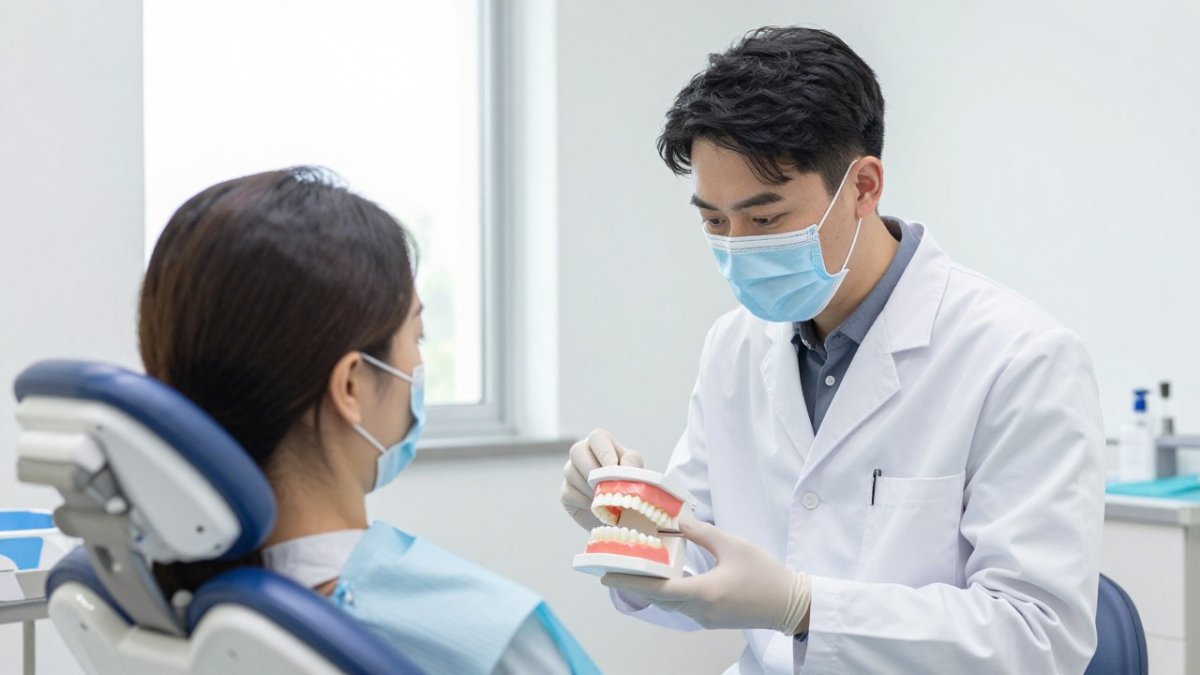
The biggest driver of procedure selection is how much sound tooth structure is left after decay and damaged tissue are removed. A tooth with a small cavity and intact walls can usually be saved with a filling; a tooth with a crack extending below the gumline often cannot.
Fillings: The Most Conservative Repair
Fillings are used when a tooth has enough sound structure to hold a restoration. Tooth-colored composite is common for visible areas and most small to medium cavities; amalgam and other materials may be considered for back teeth where access and moisture control are difficult.
Watch out: a filling placed on a tooth with a hairline crack that extends into the dentin can relieve symptoms briefly and then fail, so ask whether the crack has been assessed before the filling is placed.
Crowns: Full-Coverage Protection
A crown covers the entire tooth and is generally recommended when a large portion is compromised, after a root canal on a back tooth, or when a filling alone would not provide enough support. Crowns require more tooth removal than fillings, so they are reserved for situations where a filling would not last. Common materials include porcelain fused to metal, full porcelain or zirconia, and gold alloys; the choice trades esthetics against strength and wear on opposing teeth.
Root Canal Treatment: Saving the Tooth From Within
When decay or a fracture reaches the pulp, the tissue inside the tooth becomes inflamed or infected, and a root canal removes that tissue, disinfects the canal system, and seals it. A root canal is not a replacement for a crown; it is usually followed by a crown on back teeth because the tooth becomes more brittle after treatment.
Bridges: Fixed Replacement for a Gap
A bridge uses the teeth on either side of a gap as anchors, which must be healthy enough to support it and usually must be prepared (reduced) for crowns. A traditional fixed bridge is not removable and restores chewing on the gap better than a partial denture. The trade-off is that anchor teeth carry the load for the missing tooth, and the bridge is harder to clean underneath than a single implant crown.
Dentures: Removable Replacement for Multiple or All Teeth
A removable denture can replace several teeth (a partial denture) or all teeth in an arch (a complete denture). It is adjustable over time as the gums and bone change, and it is typically the least invasive and lowest-cost way to replace many teeth. Some patients find it less stable than fixed options, especially on the lower arch, and adaptation can take weeks.
Dental Implants: Replacing the Root as Well as the Crown
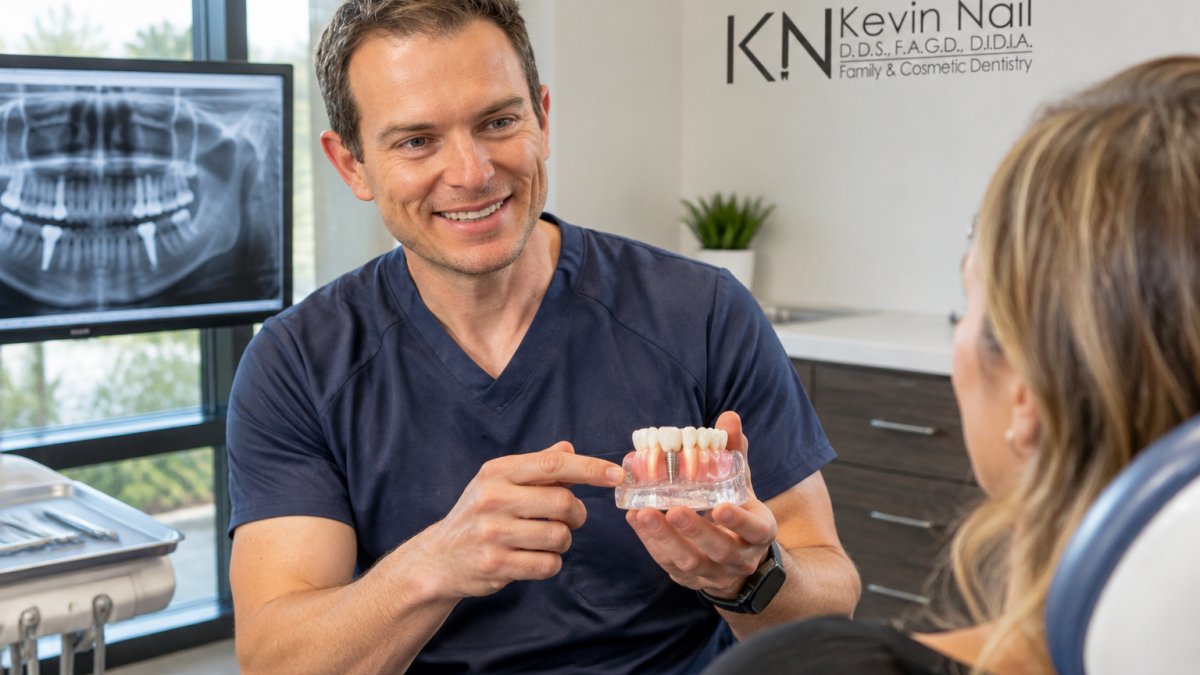
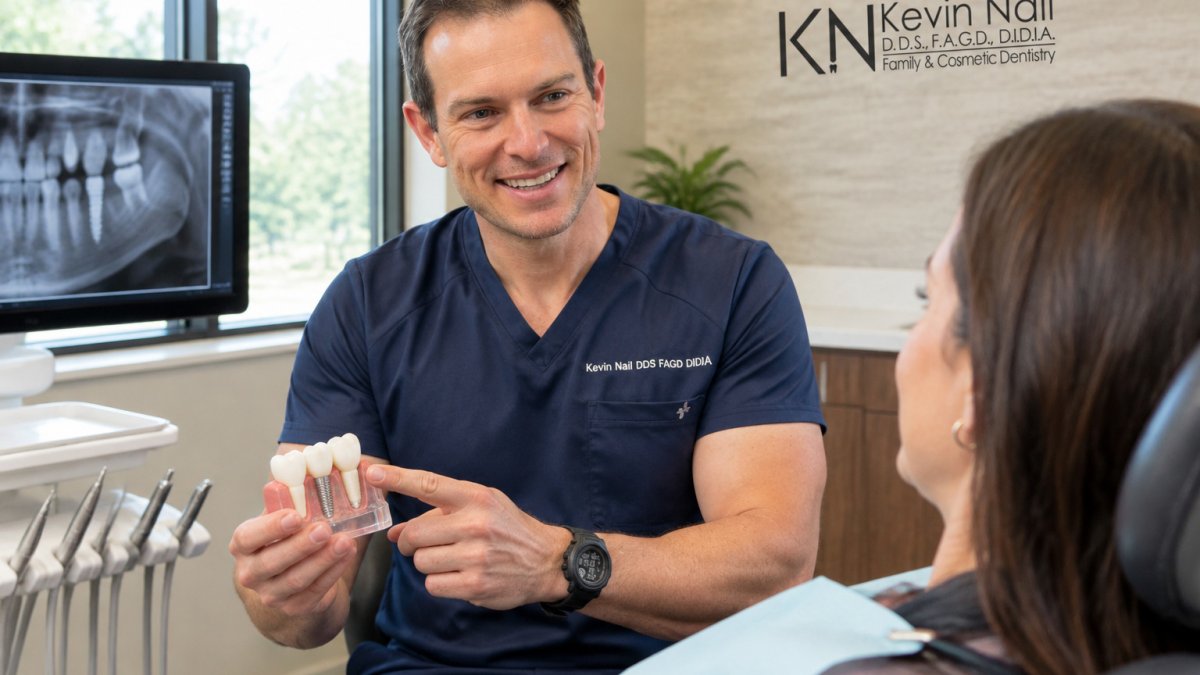
Dental implants replace the tooth root as well as the crown, which can help preserve surrounding bone and avoids preparing adjacent teeth. Implants require adequate bone and healthy gums, and the process is staged: imaging and planning, implant placement, a healing period before the final crown, and follow-up visits. Whether implants are appropriate depends on bone quality, overall health (including smoking and uncontrolled diabetes), and how much time you are prepared to commit to healing.
How the Plan Is Sequenced
A typical pattern is to stabilize active problems first (decay, infection, fractured teeth), then replace missing teeth, then address elective appearance goals. If multiple implants or staged treatment are needed, the plan may be spread across months to allow healing and to fit budget and insurance cycles. Ask for the plan in writing with the sequence, the expected number of visits, and which steps are urgent versus optional.
Recovery, Longevity, and Maintenance at a Glance
Recovery and maintenance differ by procedure. Fillings and crowns typically involve mild sensitivity for days to a couple of weeks; root canals often involve a few days of tenderness; implants involve a healing period measured in months before the final crown. Longevity depends heavily on hygiene, bite forces, and material: composite fillings generally have the shortest lifespan, crowns and bridges last many years, and implants are designed as long-term replacements but still need monitoring.
Risks and Limitations to Discuss Up Front
Every restorative option has limits. Fillings can fail at the margin; crowns can chip or come loose; bridges depend on the health of anchor teeth; dentures can cause sore spots and bone loss over time; implants can fail to integrate or develop peri-implant disease.
The table below compares the main restorative options covered in this section, with what each is best for and its key trade-off.
| Option | Best for | Key difference |
|---|---|---|
| Fillings | Small to medium cavities with enough sound structure | One visit; composite wears and stains over time |
| Crowns | Large structure loss or support after a root canal | Covers the whole tooth; requires more tooth removal |
| Root canal | Decay or fracture reaching the pulp | Saves the tooth; usually followed by a crown on back teeth |
| Bridges | Replacing a gap using healthy neighboring teeth | Fixed; anchor teeth carry extra load |
| Dentures | Replacing several or all teeth | Removable and adjustable; does not preserve bone |
| Dental implants | Replacing the root and crown | Can help preserve bone; staged over months |
Restorative Versus Cosmetic Dentistry: Where the Line Falls
Restorative and cosmetic dentistry overlap, but their primary purposes differ. Understanding restorative vs cosmetic dentistry helps clarify whether a treatment should prioritize restoring function or refining appearance.
The line blurs when a crown both protects a damaged tooth and improves its look; in that case, the treatment is restorative first. When a procedure is purely aesthetic, such as whitening or veneers on sound teeth, it is generally considered cosmetic.
Restorative Dentistry Cost and Pricing Factors
Restorative dentistry costs vary widely because every mouth is different. The number of teeth involved, the material used, whether the work requires additional preparation such as a root canal, and the complexity of the case all influence the final figure. Pricing is best confirmed by contacting Kevin Nail DDS directly, where a written treatment plan can be reviewed before any work begins.
What Drives the Price of Each Procedure
Fillings are generally the lowest-cost restorative procedure because they involve one visit and less material. Crowns cost more because they involve a laboratory, a temporary restoration, and more chair time. Read the seven factors that affect dental implant cost to compare estimates more closely.
Material choice matters. A tooth-colored crown and a gold crown can differ in price, and the material affects how much tooth structure must be removed and how the restoration wears against opposing teeth.
How Insurance Applies, Procedure by Procedure
PPO plans generally cover restorative work, but coverage levels, annual maximums, and waiting periods vary by plan. A guide to how insurance affects the cost of dental implant treatment explains what to expect.
Before scheduling, it helps to ask your insurer for a pre-treatment estimate. Our team can help you understand how your plan applies to the recommended treatment and can explain any remaining balance in advance.
Staged Treatment and Budget Planning
When several procedures are needed, the plan can often be staged so urgent work (stopping decay, treating infection) happens first and elective or replacement work is spread across months or insurance years. Staging can align treatment with annual maximums and with flexible spending or health savings account balances. Ask whether the plan can be sequenced to fit your budget without delaying care that is actively causing pain or risking a tooth.
Ways to Manage the Cost
Current pricing, payment, and financing options should be confirmed directly with Kevin Nail DDS, since fixed figures are not published here.
Watch out: an estimate that lists only a total, without breaking out procedures and materials, is hard to compare against a second opinion and hard for an insurer to process, so ask for the itemized version before you commit.
Restorative Dental Insurance: What PPO Plans Typically Review
Before scheduling, it helps to ask your insurer for a pre-treatment estimate. Our team can help you understand how your plan applies to the recommended treatment and can explain any remaining balance in advance.
Booking Your Restorative Consultation at Kevin Nail DDS
A restorative consultation at Kevin Nail DDS begins with a thorough exam and a clear discussion of your options, so you leave knowing what is needed and why. Dr.
To schedule your visit, call Kevin Nail DDS at 281-550-9054 and ask about restorative options that fit your needs. You can also review our restorative dentistry options and how they are planned before you call.
Frequently Asked Questions
What are considered restorative dental services?
Restorative dental services repair or replace teeth that are damaged, decayed or missing. Common examples include dental fillings, dental crowns, dental bridges, dentures and dental implants, along with root canal treatment when the tooth pulp is infected. The goal is to restore tooth function, including chewing and bite, and to protect overall oral health. Your dentist selects the right service after an exam and, when needed, imaging such as a 3D cone beam CT scan. A consultation is the best way to learn which options fit your situation.
Does insurance cover restorative dentistry?
Many dental PPO plans cover part of restorative dental treatment, such as fillings, crowns, bridges and dentures, but coverage differs by plan. Implants are often treated differently from other restorations, and many plans have annual maximums, waiting periods and frequency limits. Before treatment, ask your provider to review your benefits and explain the expected out-of-pocket amount. Your plan's summary of benefits is the official source for what your specific policy covers.
When is a tooth not restorable?
A tooth may be considered non-restorable when decay or fracture extends too far below the gum line, there is not enough healthy tooth structure to support a restoration, or the root is severely damaged. In those cases, extraction followed by a replacement option such as a bridge, denture or implant is often discussed. Whether a tooth can be saved depends on a clinical exam and imaging, so only a qualified dentist can make that determination for you.
What is the difference between restorative and cosmetic dentistry?
Restorative dentistry focuses on repairing or replacing teeth to restore function, such as chewing and bite, and to address decay, damage or tooth loss. Cosmetic dentistry focuses mainly on appearance, such as the shape, color or alignment of teeth. The two often overlap, because a crown can restore function and improve appearance at the same time. Your dentist can explain which goals a proposed treatment addresses.