 ultimate-guide
Is Sedation Dentistry Safe for Adults? What You Need to Know
Table of Contents
- What Is Sedation Dentistry and How Does It Work?
- Types of Dental Sedation: Levels and Methods
- Is Sedation Dentistry Safe? What the Evidence Shows
- Benefits and Risks of Sedation Dentistry
- Who Is a Good Candidate for Sedation Dentistry?
- Preparing for Sedation Dentistry: What to Do Before Your Appointment
- Dental Sedation Recovery Time and Aftercare
- Common Myths vs. Facts About Sedation Dentistry Safety
- Frequently Asked Questions
Last Updated: August 31, 2026
What Is Sedation Dentistry and How Does It Work?
Sedation dentistry is the use of pharmacological agents to help patients relax during dental procedures, ranging from mild relaxation to deep sleep depending on the type and dosage used. The goal is to reduce dental anxiety, manage pain, and allow dentists to work efficiently while keeping patients safe and comfortable.
At Kevin Nail DDS, we understand that dental anxiety prevents many patients from seeking necessary care. Sedation dentistry addresses this barrier by calming the nervous system, allowing patients to undergo treatment without the stress and fear that often accompanies dental work. The sedative works by depressing the central nervous system, reducing awareness and anxiety while maintaining the ability to respond to stimuli and instructions.
The process involves careful monitoring throughout the procedure. A trained professional administers the sedative, tracks vital signs like heart rate and oxygen saturation via pulse oximetry, and adjusts dosing as needed. Local anesthesia is still used alongside sedation to numb the treatment area. Recovery varies depending on the sedation level, some patients can drive home after minimal sedation, while others require several hours of observation after deeper sedation.
Types of Dental Sedation: Levels and Methods
Dental sedation exists on a spectrum, defined by how deeply it affects consciousness.
Minimal and Moderate Sedation
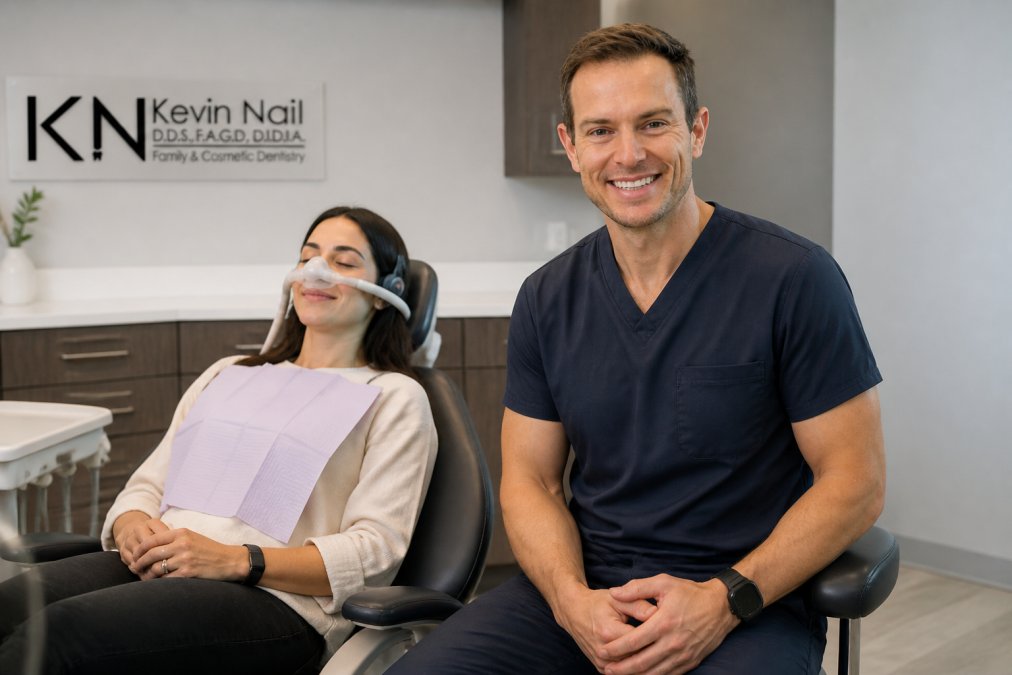
Minimal sedation keeps patients awake but deeply relaxed. Nitrous oxide, commonly known as laughing gas, is the most common minimal sedation agent. Mixed with oxygen and inhaled through a nose mask, it takes effect within minutes and wears off quickly once the mask is removed. Patients remain conscious, can respond to questions, and typically drive home without assistance.
Oral sedation involves taking a sedative medication by mouth before the appointment. Common medications include benzodiazepines like diazepam or triazolam. Patients feel drowsy and may not remember much of the procedure through anterograde amnesia, but they remain conscious and can respond to commands. Oral sedation requires someone to drive the patient home.
Moderate sedation, sometimes called conscious sedation, produces deeper relaxation. Patients are less aware of their surroundings and may drift in and out of sleep, but they retain the ability to respond to stimulation and maintain their airway independently.
Deep Sedation and General Anesthesia
Deep sedation renders patients nearly or completely unconscious, though they may respond to repeated or painful stimuli. It's typically administered intravenously (IV sedation), allowing the dentist to adjust the level precisely throughout the procedure. IV sedation carries more risk than lighter sedation because it requires careful airway management and continuous monitoring.
General anesthesia is the deepest level of sedation, producing complete unconsciousness. Patients cannot be aroused by stimulation and require assistance maintaining their airway. In most dental settings, general anesthesia is reserved for complex surgical procedures or patients with severe anxiety or medical conditions that make lighter sedation unsafe.
Is Sedation Dentistry Safe? What the Evidence Shows
Sedation dentistry is safe when administered by trained professionals who follow proper protocols for patient screening, monitoring, and emergency response. Safety depends on the patient's health status, the type and dose of sedative used, the dentist's training and experience, and the quality of monitoring equipment.
Safety Monitoring During Your Procedure
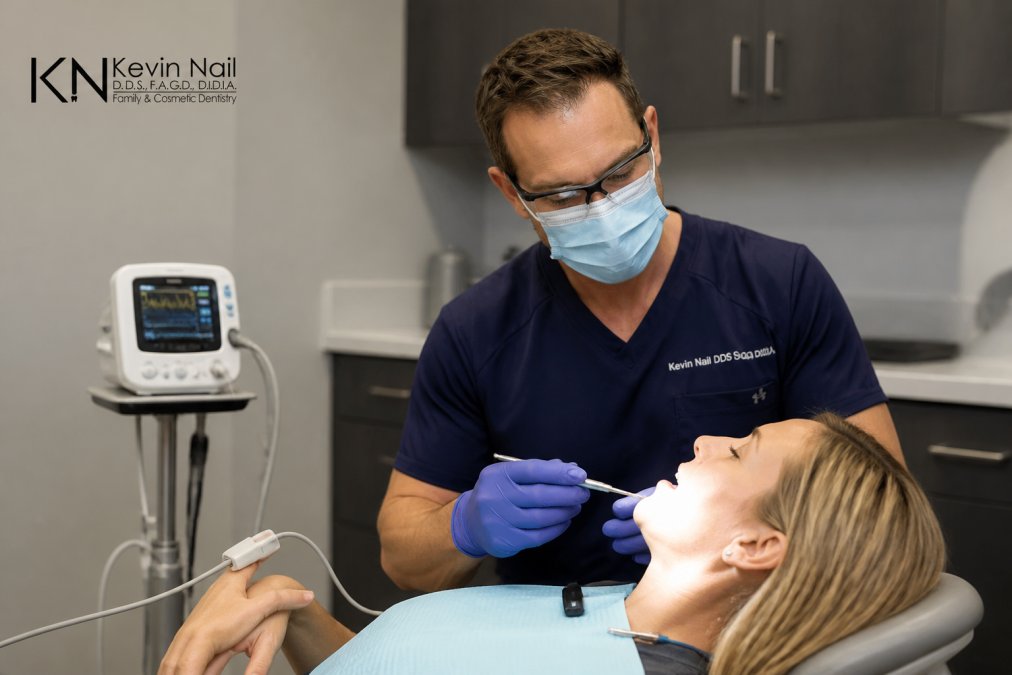
Continuous monitoring is the cornerstone of safe sedation dentistry. Before sedation begins, the dentist records baseline vital signs: blood pressure, heart rate, oxygen saturation, and respiratory rate. During the procedure, these parameters are monitored continuously using pulse oximeters, blood pressure monitors, and capnography devices that track carbon dioxide levels in exhaled breath.
A trained professional remains present throughout the procedure to observe the patient's response and adjust sedation levels as needed. They watch for signs of respiratory depression, the primary risk associated with sedation. Early detection allows the dentist to reduce dosage, provide supplemental oxygen, or use reversal agents if necessary.
The dental office must have emergency equipment on hand: oxygen delivery systems, airway management devices, medications to reverse sedation effects, and resuscitation equipment. Staff should be trained in cardiopulmonary resuscitation and emergency protocols.
Drug Interactions and Medical Contraindications
A thorough medical history is essential before sedation is considered. Certain medications interact with sedatives, potentially causing dangerous effects. Patients taking opioid pain medications, other sedatives, or certain blood pressure medications may experience unpredictable interactions.
Medical conditions also affect sedation safety. Patients with sleep apnea face increased risk of respiratory depression during sedation (the CDC). Uncontrolled high blood pressure, heart disease, liver disease, and kidney disease can complicate sedation management. Pregnant patients are typically advised to avoid elective sedation except in emergencies.
Allergies to specific sedative agents must be identified beforehand. The dentist's role is to review this information carefully and determine whether sedation is appropriate or whether lighter anxiety management techniques would be safer.
Benefits and Risks of Sedation Dentistry
Key Benefits for Anxious Patients
For patients with dental anxiety or phobia, sedation dentistry can be transformative. Anxiety often prevents people from seeking necessary dental care, leading to deteriorating oral health. Sedation removes the emotional barrier, allowing patients to proceed with treatment.
The amnesia effect of many sedatives is another significant benefit. Patients don't remember the procedure, which can reduce anxiety about future appointments. Sedation also allows dentists to work more efficiently, an anxious, moving patient requires more time, while a sedated patient remains still and calm, enabling more precise work and potentially shorter treatment times.
For patients with a strong gag reflex, sedation reduces the reflex response. Patients with special needs or developmental disabilities may also benefit from sedation, which allows necessary dental care to proceed without distress.
Potential Side Effects and Risks
Common side effects of sedation include drowsiness, dizziness, nausea, and headache, which typically resolve within a few hours. Some patients experience temporary grogginess or confusion as the sedative wears off.
More serious but rare risks include respiratory depression, allergic reactions, and cardiovascular complications. Respiratory depression is the most significant risk, particularly with IV or deep sedation (peer-reviewed research). If breathing becomes too shallow, oxygen levels in the blood can drop. This is why continuous monitoring is essential.
Aspiration, where stomach contents enter the lungs, is another rare but serious risk. This is why patients are instructed to fast before sedation (typically nothing to eat or drink for 6-8 hours beforehand). Allergic reactions to sedative medications can range from mild rash to severe anaphylaxis, though true allergies are uncommon.
Drug interactions can amplify sedative effects or cause unpredictable reactions. A complete medication list is critical before sedation is administered.
Who Is a Good Candidate for Sedation Dentistry?
Sedation dentistry is appropriate for patients with moderate to severe dental anxiety who cannot tolerate treatment while fully awake. It's also beneficial for patients undergoing lengthy or complex procedures, those with a strong gag reflex, and patients with special needs.
Ideal candidates are generally healthy, have no contraindications based on their medical history, are not pregnant, and are not taking medications that interact dangerously with sedatives. Patients must be able to fast before the appointment and arrange transportation home afterward.
Patients with sleep apnea, uncontrolled high blood pressure, severe heart disease, or liver or kidney disease should discuss sedation risks carefully with their dentist. Patients with a history of substance abuse may have altered responses to sedatives and require specialized monitoring.
Preparing for Sedation Dentistry: What to Do Before Your Appointment
Proper preparation significantly improves safety and outcomes. Your dentist will provide specific pre-operative instructions based on the type of sedation planned.
Fasting is typically required before sedation. Most dentists recommend nothing to eat or drink for 6-8 hours before the appointment (the American Dental Association). This reduces the risk of aspiration if vomiting occurs during the procedure.
Arrange transportation in advance. You cannot drive yourself home after sedation, this is a firm safety requirement. Have a responsible adult pick you up and stay with you for several hours afterward.
Provide a complete and honest medical history. List all medications, supplements, and herbal products you take. Mention any allergies, previous reactions to anesthesia, sleep apnea, or other medical conditions. Wear comfortable, loose clothing and avoid jewelry that might interfere with monitoring equipment. Remove contact lenses if you wear them.
Discuss any fears or concerns with your dentist beforehand. Your dentist can explain what to expect and may adjust the sedation plan to address your particular concerns.
Dental Sedation Recovery Time and Aftercare
Recovery time varies significantly depending on the sedation level used. After minimal sedation with nitrous oxide, most patients are alert within minutes of the mask being removed. Oral sedation and IV sedation produce longer recovery periods, most patients need 4-6 hours to feel fully alert, though some residual grogginess may persist into the evening. Plan to rest for the remainder of the day and avoid operating machinery or making important decisions.
Post-operative instructions typically include avoiding eating until numbness from local anesthesia wears off, usually 2-3 hours. Once you can eat, start with soft foods and cool beverages. Avoid hot foods and drinks for the first 24 hours.
Some mild swelling, bruising, or discomfort at injection sites is normal and typically resolves within a few days. Over-the-counter pain relievers can manage discomfort. If you experience persistent pain, excessive bleeding, or signs of infection, contact your dentist.
Avoid alcohol and other sedatives for at least 24 hours after sedation. Don't resume normal activities, exercise, or strenuous work until the following day.
At Kevin Nail DDS, our team provides detailed post-operative instructions and is available if questions or concerns arise during recovery.
Common Myths vs. Facts About Sedation Dentistry Safety
Myth: Sedation dentistry is dangerous and should be avoided. Fact: Sedation dentistry is safe when administered by trained professionals in a properly equipped facility. Serious complications are rare.
Myth: You'll be unconscious and won't remember anything. Fact: This depends on the sedation level. Minimal sedation keeps you awake and aware. The amnesia effect varies by individual and sedative type.
Myth: Sedation dentistry is only for people with severe anxiety. Fact: While anxiety is a common reason for sedation, it's also used for patients undergoing complex procedures, those with a strong gag reflex, and patients requiring lengthy treatment.
Myth: Recovery takes days and you'll feel terrible afterward. Fact: Most patients feel normal within a few hours. Mild grogginess is common but typically resolves by evening.
Myth: Sedation dentistry is expensive and not covered by insurance. Fact: Coverage varies by insurance plan and the type of sedation used. Discuss costs and insurance coverage with your dentist's office before your appointment.
Myth: If you have a medical condition, you can't have sedation. Fact: Having a medical condition doesn't automatically exclude you from sedation. Your dentist will assess your individual situation and determine the safest approach.
Dental anxiety shouldn't prevent you from getting the care you need. Sedation dentistry, when properly managed, provides a safe and effective way to overcome fear and complete necessary treatment. At Kevin Nail DDS, we specialize in helping anxious patients receive comprehensive dental care in a comfortable environment. Dr. Kevin Nail personally performs every procedure and maintains the highest standards of patient monitoring and safety protocols. If you're considering sedation dentistry or want to discuss whether it's right for you, call 281-550-9054 to schedule a consultation with our team.
Frequently Asked Questions
What is the safest type of sedation for dental procedures?
Nitrous oxide (laughing gas) combined with local anesthesia is often considered the safest option for routine dental work because it's minimal sedation, you remain conscious and responsive. For patients with severe dental anxiety, oral sedation or IV sedation administered by a trained professional can be safe when your medical history is reviewed, vital signs are monitored, and the dentist has proper training. The safest choice depends on your health status, the complexity of your procedure, and your anxiety level. Discuss your options with your dentist to determine what works best for you.
Is sedation dentistry safe for adults with medical conditions?
Adults with certain medical conditions, such as heart disease, high blood pressure, sleep apnea, or respiratory problems, may face additional risks with sedation dentistry. Some medications can interact with sedative drugs, and some health conditions may contraindicate certain types of sedation. This is why a thorough medical history and consultation before treatment is essential. Your dentist will review your medications, past surgeries, and current health status to determine if sedation is appropriate and which type is safest. Always disclose your complete medical history to your dental team.
Will I be completely unconscious during sedation dentistry?
It depends on the type of sedation used. With minimal sedation (nitrous oxide), you remain awake and aware. With moderate sedation (oral or IV), you're drowsy and may have amnesia of the procedure, but you can respond to commands. Deep sedation and general anesthesia bring you closer to unconsciousness, though even then you may respond to stimulation. Most routine dental work uses minimal or moderate sedation, where you're not completely asleep but relaxed and comfortable. Your dentist will explain what to expect based on your specific procedure.
What happens during recovery from sedation dentistry?
Recovery time depends on the type of sedation. With nitrous oxide, you recover within minutes and can often drive home. With oral sedation, recovery typically takes 1-2 hours, and you'll need someone to drive you. IV sedation requires similar recovery time. You may feel drowsy, dizzy, or have mild nausea for a few hours. Most patients can return to light activities the next day, though you should avoid driving, operating machinery, or making important decisions for at least 24 hours after sedation. Follow your dentist's specific aftercare instructions, which may include dietary restrictions or activity limitations.
This article was written using GrandRanker