 how-to
Overcoming Dental Trauma From Past Experiences
Table of Contents
- Why Past Dental Experiences Still Affect You Now
- How to Tell Your Dentist About Dental Anxiety
- Coping Strategies for Dental Anxiety That Work in the Chair
- What to Expect at a First Dentist Appointment After Years Away
- Sedation Dentistry for Dental Anxiety: What It Can and Cannot Do
- Building a Long-Term Relationship With a Trauma-Informed Dentist
- Frequently Asked Questions
Last Updated: October 15, 2026
Why Past Dental Experiences Still Affect You Now
Overcoming dental trauma from past experiences starts with understanding that the fear is real, physical, and not a character flaw. At Kevin Nail DDS, we see patients every week who avoided care for years because of one bad appointment. Dental trauma is a lasting emotional and physical response to a painful, frightening, or humiliating dental experience. It does not fade just because the appointment ended.
The problem is common. Many people carry dental fear from childhood dental trauma, a rough extraction, or a provider who ignored their signals to stop. The American Dental Association's resources on dental anxiety notes that fear of the dentist keeps a large share of adults from routine care. That avoidance has a cost: small problems become big ones.
Below, we explain how to tell your dentist about dental anxiety, what coping strategies work in the chair, and how to return after years away.
How the Body Remembers a Traumatic Dental Experience
Your body stores the memory before your mind can reason with it. The smell of a clinic, the sound of a drill, or lying back in a chair can trigger a fight-or-flight response within seconds. This is not drama. It is your nervous system doing its job, badly calibrated by one bad event.
A common mistake is treating this as something to "get over." In practice, the fear response eases when you feel control, predictability, and safety. That is the whole basis of trauma-informed care.
How to Tell Your Dentist About Dental Anxiety
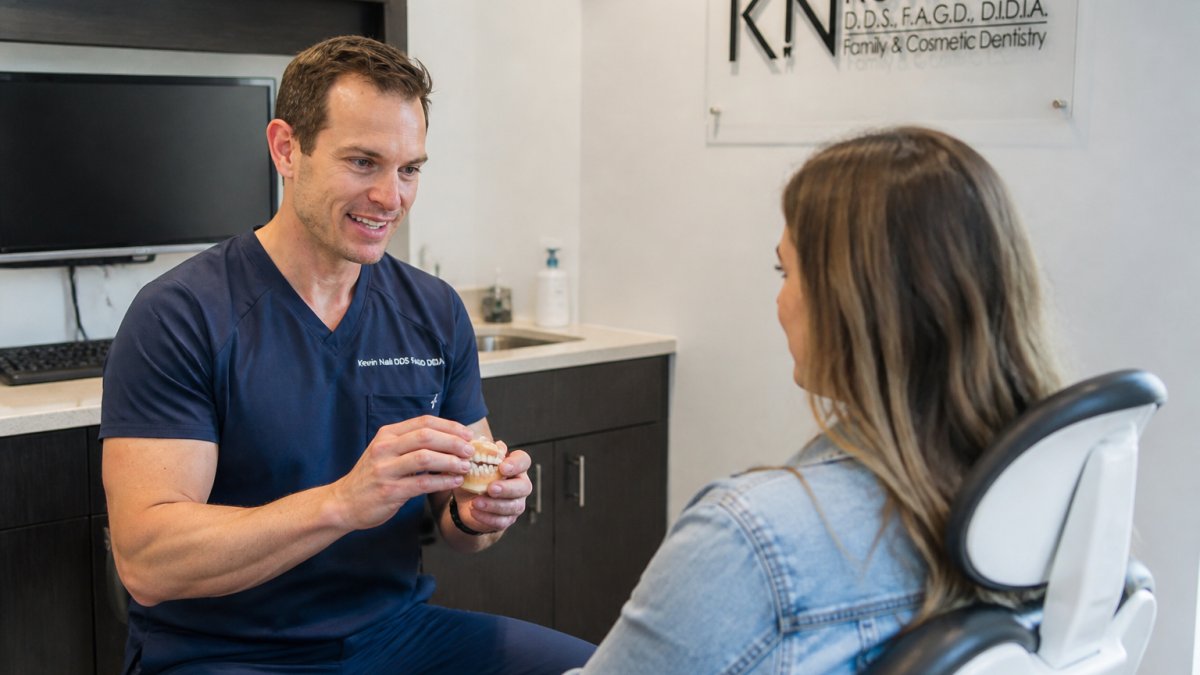
The best way to tell your dentist about dental anxiety is to say it before the appointment, in plain words, when you call to book. You do not need a speech. One sentence is enough: "I have dental anxiety and I need to go slowly."
Open communication works best when it happens early. Here is what to cover:
- Your history: a past traumatic dental experience, or a history of abuse that makes lying back feel unsafe
- Your triggers: needles, drills, the suction sound, or feeling trapped
- Your signals: agree on a hand raise that means "stop now"
- Your pace: ask for breaks and a walk-through before anything starts

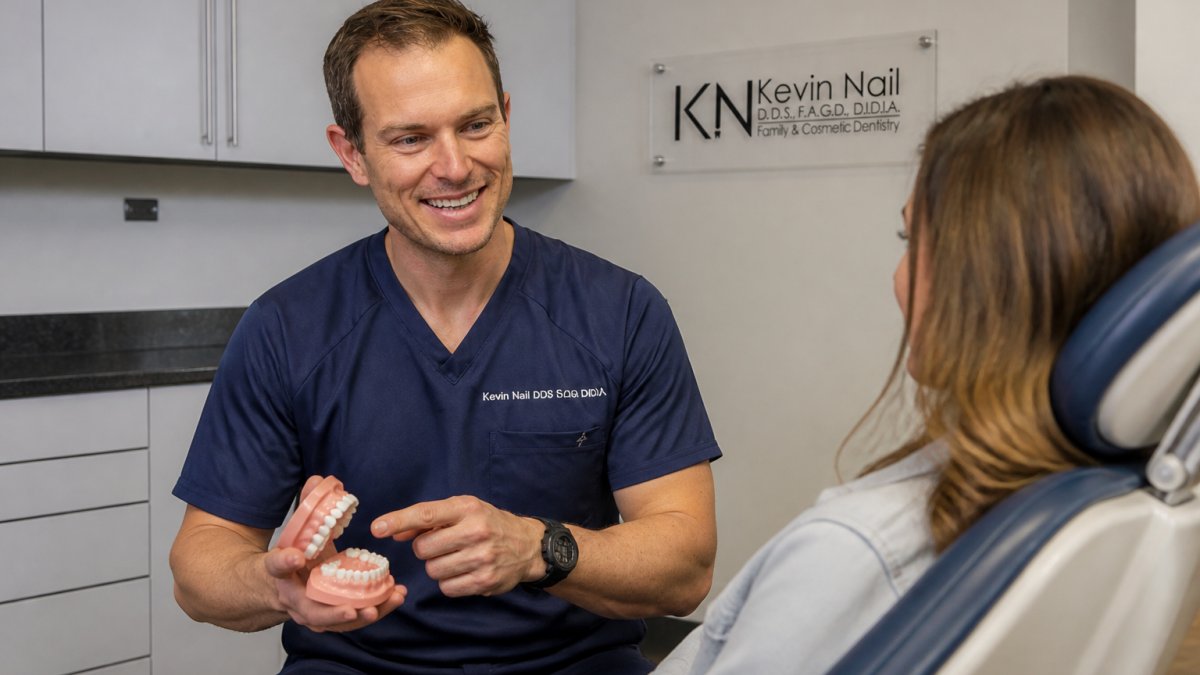
A trauma-sensitive approach means the dentist asks before acting, explains each step, and never surprises you. If a provider brushes off your fear, that is your answer. Find another one.
Coping Strategies for Dental Anxiety That Work in the Chair
Coping strategies for dental anxiety work best when you pick two or three and practice them before your visit. You are not memorizing a routine. You are giving your nervous system something to do besides panic.
The reason these techniques help is physiological. Anxiety floods the body with adrenaline and speeds up breathing, which can make you feel lightheaded and more panicked. Slow, deliberate breathing reverses that loop by activating the parasympathetic nervous system, the branch that calms you down.
Try these, and keep what helps:
- Deep breathing: Inhale through your nose for a count of four, hold for four, exhale through your mouth for six. The long exhale is the part that calms you. Practice for two minutes a day so it becomes automatic.
- Grounding: Press both feet into the floor, grip the armrests, and name five things you can see in the room. This pulls attention out of your head and into the present.
- Visualization: Picture a calm place in specific detail, the temperature, the sounds, what you are sitting on. Vague images do not work; the more senses you engage, the stronger the effect.
- Distraction: Bring headphones and queue up music, a podcast, or an audiobook before you arrive. Ask your dentist if you can keep one earbud in during the appointment.
- Meditation practice: A few minutes of daily meditation lowers your baseline stress level, so you start the appointment from a calmer place.
- A support person: Ask in advance if someone can sit with you in the room. Some offices allow it; some do not, so confirm when you book.
Customized coping beats generic advice. A patient who hates silence may do fine with loud music. A patient who hates feeling trapped may need frequent breaks and a clear stop signal. Tell your dentist which one you are before treatment starts.
Managing a panic response in the moment. If you feel your heart racing, your chest tightening, or the room starting to feel unreal, you are not failing. You are having a trauma response, and it can be interrupted. Raise your hand for a pause. Put both feet flat on the floor. Name the objects you can see. Breathe out longer than you breathe in. Most dentists will stop immediately when you signal, give you a minute, and then ask if you want to continue. If they do not, that is information about the provider, not about you.
Grounding after the appointment. Trauma responses do not always end when you leave the chair. Some people feel shaky, tearful, or detached for an hour or more afterward. Plan for it. Sit in your car for a few minutes before driving. Drink water. Text someone you trust.
What to Expect at a First Dentist Appointment After Years Away
A first dentist appointment after years away should be short, low-pressure, and mostly a conversation. You are not obligated to accept a full treatment plan on day one. You are there to meet the provider and decide if you trust them.
Before you book: how to find a trauma-informed dentist. Not every office advertises this, so you have to ask.
Questions to ask before you commit:
- Will you explain each step before you do it?
- Will you stop the moment I raise my hand?
- Can I decline a procedure and think about it before deciding?
- Can I see the same dentist and the same team each visit?
- How do you handle a panic response during treatment?
- Can I bring a support person into the room?
Your rights during treatment. You can pause at any time. You can ask for a break, a walk-through, or a different approach. You can decline X-rays, decline a procedure, or ask for a second opinion.
A staged plan for returning to care:
| Stage | What Happens | Typical Length | Frequency |
|---|---|---|---|
| Meet and talk | Consultation only, no treatment | 15-20 minutes | Once |
| Look and count | Visual exam, X-rays if you agree | 20-30 minutes | Once |
| Gentle cleaning | Light cleaning, breaks as needed | 30-45 minutes | Every 6 months |
| Treatment plan | Review findings, decide next steps | 15 minutes | As needed |
| Restorative work | Fillings, implants, or other care | Varies | Per plan |
Start small. If a full exam feels like too much, ask for a meet-and-greet only. Gradual exposure works because each visit proves the last one was safe.
After a difficult appointment. If a visit goes badly, you panicked, you dissociated, or the provider pushed past your signals, that is worth talking about. Call the office and say what happened. A trauma-informed practice will want to know and will adjust.
Practical barriers. Cost and access are real obstacles. Many dental schools offer reduced-cost care supervised by licensed dentists. Community health centers often provide sliding-scale fees based on income. If you have dental insurance, call the number on your card and ask which in-network providers treat anxious patients. If you do not have insurance, ask each office about payment plans before you book. Getting through the door is part of overcoming trauma, and it is fair to plan for the money side of it too.
Sedation Dentistry for Dental Anxiety: What It Can and Cannot Do
Sedation dentistry for dental anxiety can reduce awareness and discomfort during treatment, but it is not a cure for fear itself. Sedation helps you get through the appointment. It does not erase the memory or the trigger.
Options range from mild to deeper:
- Nitrous oxide: light relaxation, you stay awake and can drive yourself home
- Oral sedatives: taken before the visit, drowsier, requires a ride
- IV sedation: deeper calm for longer or more involved procedures
Sedation carries real risks, especially with certain health conditions or medications. The U.S. Food and Drug Administration's guidance on sedation safety stresses that sedation should be matched to the patient and monitored properly. Be honest about your health history. Ask who monitors you and what equipment is on hand.
The limits matter. Sedation does not remove the need to build trust, and it does not replace a trauma-informed provider. It is a tool, not a solution.
Building a Long-Term Relationship With a Trauma-Informed Dentist
A long-term relationship with a trauma-informed dentist is what actually changes your experience of care. One good visit helps. Consistency retrains the fear.
How do you evaluate a provider's approach? Ask these questions before you commit:
- Do you ask before you start each step?
- Will you stop the moment I raise my hand?
- Can I see the same dentist and the same team each visit?
- How do you handle a panic response during treatment?
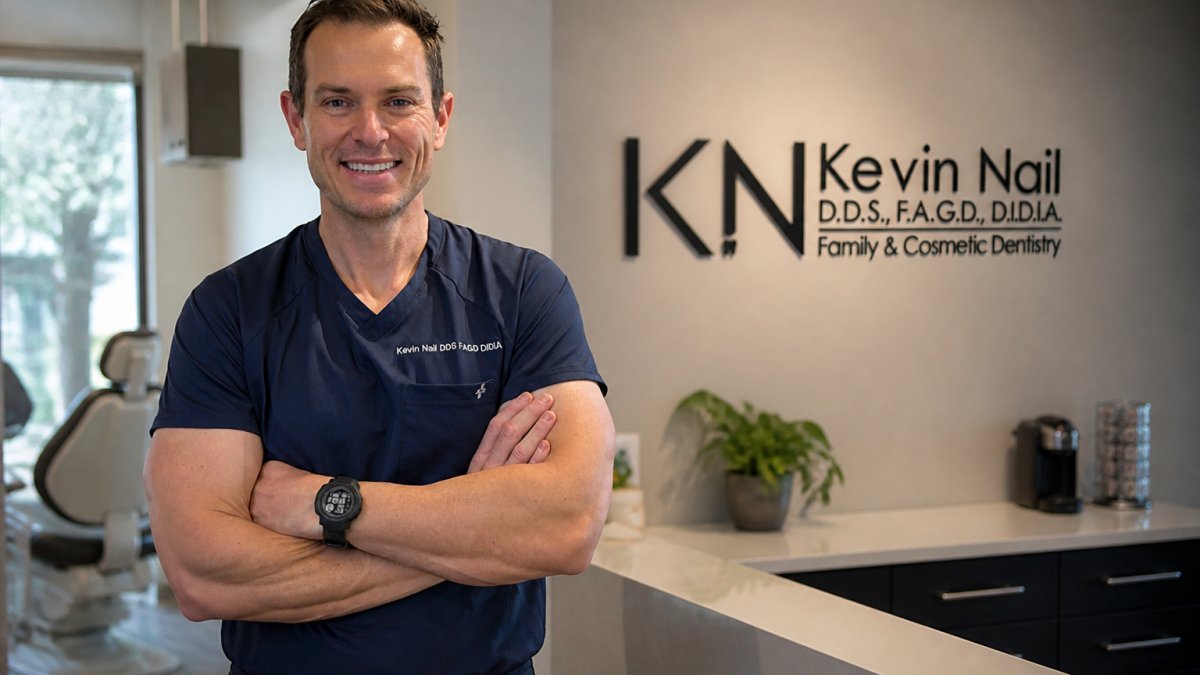
At Kevin Nail DDS, Dr. Nail personally performs every procedure, and our long-term staff know patients by name. That continuity matters for anxious patients. You are not re-explaining your fear to a stranger every six months.
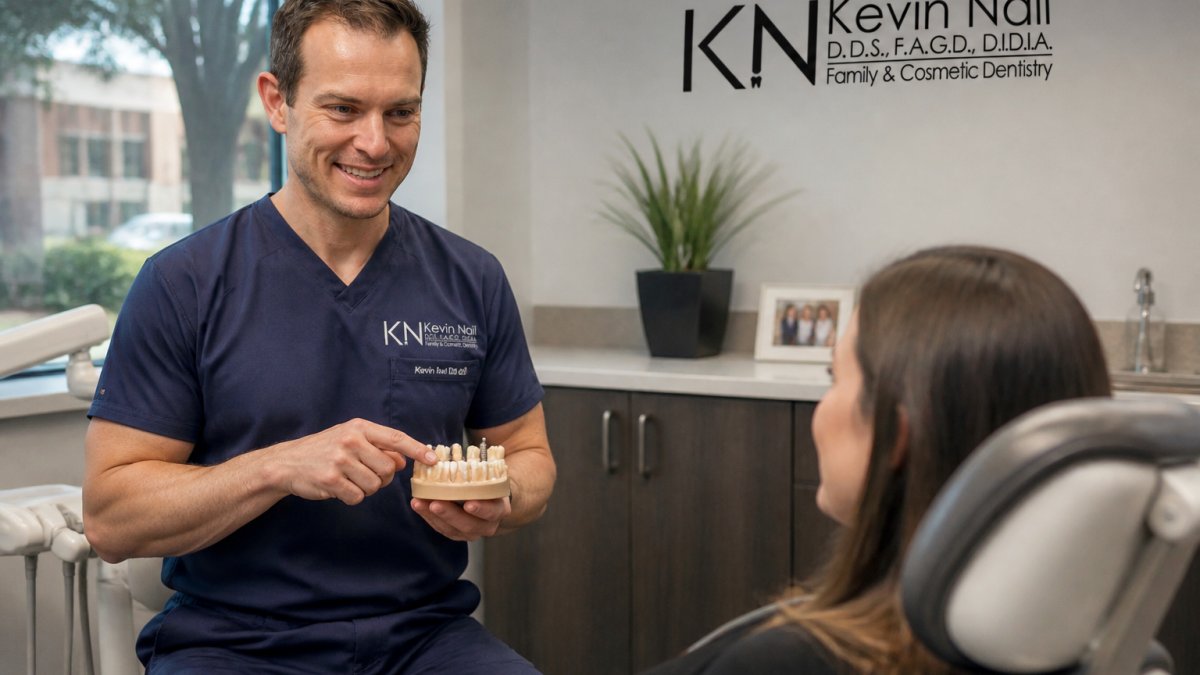
Kevin Nail DDS handles family cleanings, cosmetic work, and implants under one roof, so you are not juggling three providers. For patients who need urgent care, same-day emergency appointments are available. If you have delayed care for years, this is a reasonable place to restart.
Frequently Asked Questions
How can I overcome fear of the dentist after a bad experience?
Start by naming what happened and what you need now. Tell your dentist you have dental trauma and what triggers a fear response, such as the sound of the drill or feeling unable to signal for a pause. Ask for a short meet-and-greet visit before any treatment. Agree on a stop signal, bring a support person, and begin with the smallest procedure you can tolerate. Each predictable, respectful visit builds trust and reduces the fight-or-flight response over time.
Can sedation help with dental anxiety after a traumatic experience?
Sedation can reduce anxiety and help you complete treatment you would otherwise postpone, but it does not erase the memory of trauma or replace trauma-informed care. Options range from mild nitrous oxide to deeper intravenous sedation, and each carries different risks that a dentist reviews with you based on your health history and medications. Sedation works best alongside coping strategies and a provider who explains every step and respects your boundaries.
What should I do if I feel panicked during dental treatment?
Use the stop signal you agreed on with your dentist before treatment started, such as raising your left hand. Most dentists will pause immediately. Then use a grounding technique: press your feet into the floor, name five objects you can see, and breathe slowly through your nose. If panic continues, ask to sit up, take a break, or reschedule. Leaving mid-appointment is not failure. It gives you information about what to adjust next time, whether that is a shorter visit or a different coping strategy.
How do I know if a dentist is trauma-informed before I book?
Ask direct questions when you call. Does the dentist offer a consultation-only visit with no treatment? Will they agree on a stop signal? Can you bring a support person into the treatment room? Do they offer comfort options like headphones, blankets, or sedation? A trauma-informed practice answers these without pressure and never rushes you into treatment on the first visit. You can also ask whether the same dentist and hygienist will see you at every appointment, which supports continuity of care and trust.
Dental trauma does not have to decide your oral health for the rest of your life. The fear is real, but it is also treatable with the right provider and the right pace. Kevin Nail DDS offers patient-centered care, minimally invasive techniques, and a team that knows you by name, all in one practice. Call 281-550-9054 to book a low-pressure consultation and take the first small step back.