 ultimate-guide
Personalized Cosmetic Dentistry Solutions: A Complete Guide
Table of Contents
- What Is Personalized Cosmetic Dentistry?
- How to Find the Best Cosmetic Dentist for Your Needs
- Common Cosmetic Dental Procedures and Treatment Planning
- Porcelain Veneers vs. Dental Bonding: Which Is Right for You?
- Cosmetic Dental Procedure Recovery Time and Aftercare
- Understanding Smile Makeover Cost and Insurance Coverage
- The Psychological Impact of Your Smile Transformation
- Long-Term Maintenance and Replacement Cycles
Last Updated: August 29, 2026
What Is Personalized Cosmetic Dentistry?
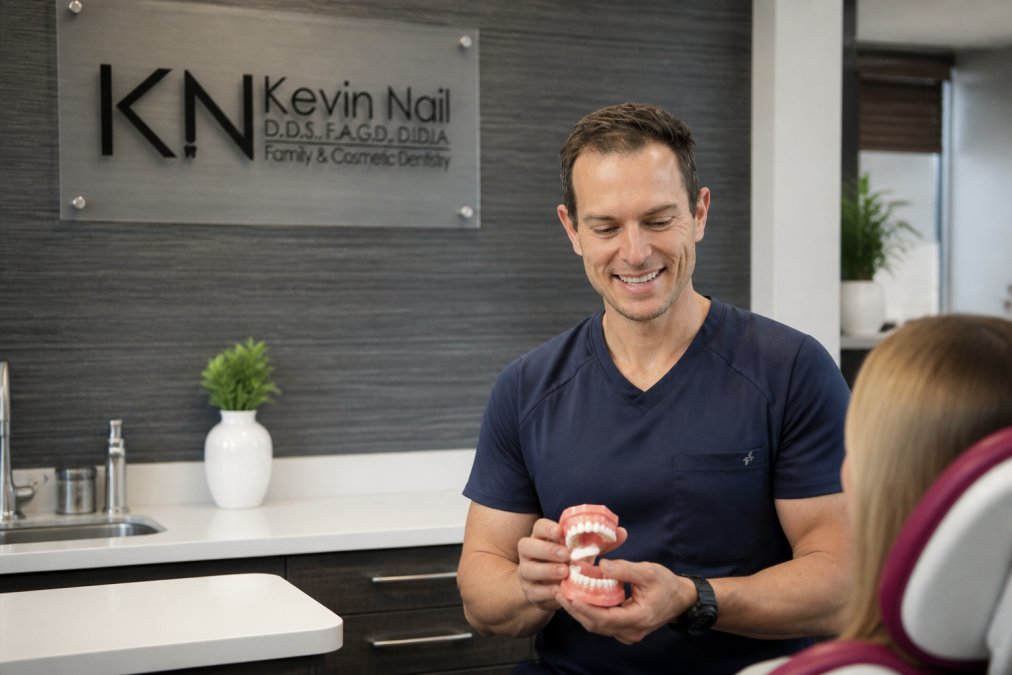
Personalized cosmetic dentistry solutions represent a patient-centered approach to smile enhancement, where treatment is customized to your unique facial anatomy, skin tone, and aesthetic goals rather than following a one-size-fits-all protocol. At Kevin Nail DDS, we understand that every patient's smile is different, and what works beautifully for one person may not suit another.
Your smile exists within the context of your entire face. Factors like your lip line, facial symmetry, skin undertones, and personality influence which cosmetic dental procedures will deliver the results you're seeking. Rather than applying standardized templates, practitioners using this approach conduct thorough consultations to map out a treatment strategy aligned with your vision.
Common procedures include porcelain veneers, dental bonding, teeth whitening, and orthodontic treatments like Invisalign. Many patients benefit from combining multiple approaches, for instance, professional whitening to brighten natural teeth while addressing minor chips with bonding, or pursuing veneers for a more dramatic transformation.
How to Find the Best Cosmetic Dentist for Your Needs
Selecting the right cosmetic dentist is one of the most important decisions you'll make in pursuing smile enhancements. The difference between an average result and a transformative one often comes down to the practitioner's skill, experience, and commitment to understanding your goals.
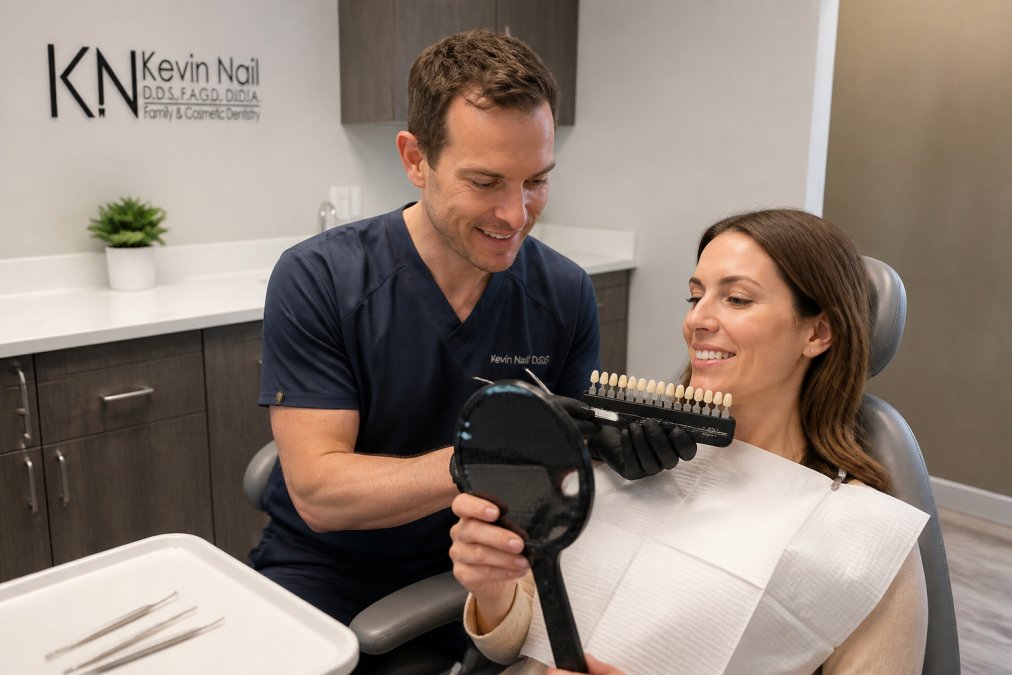
Credentials matter significantly. Seek out dentists who hold memberships in organizations like the Academy of General Dentistry (AGD) or the International Dental Implant Association (IDIA), which indicate ongoing commitment to professional development. Dr. Kevin Nail, for example, holds advanced credentials in minimally invasive implant dentistry and serves as a featured lecturer for the Academy of Minimally Invasive Implant Dentistry.
Ask prospective dentists about their experience with the specific procedures you're considering. Request before-and-after photos of actual patients (with consent) to evaluate whether their aesthetic sensibility aligns with yours. Pay attention to whether results look natural or overly polished, as this reveals the dentist's philosophy about cosmetic work.
Consider the practice environment as well. Do you feel comfortable and heard during your consultation? Continuity of care matters for cosmetic work, where your dentist needs to understand your preferences and any previous treatments. Kevin Nail DDS maintains long-term staff relationships specifically to provide this consistency.
Common Cosmetic Dental Procedures and Treatment Planning
The landscape of cosmetic dental procedures has expanded considerably, offering options for nearly every aesthetic concern.
Porcelain veneers are thin shells bonded to the front surface of teeth, addressing discoloration, chips, gaps, and minor misalignment. Dental bonding uses tooth-colored composite resin to repair similar issues with a less invasive approach. Teeth whitening brightens your natural tooth color and often serves as a foundation for other cosmetic work. Invisalign and clear aligners straighten teeth without traditional brackets. Dental implants replace missing teeth with natural-looking prosthetics.
Many patients benefit from combination approaches. Someone with discolored, slightly misaligned teeth might pursue whitening plus bonding rather than jumping straight to veneers. The art of treatment planning lies in matching procedures to your specific situation and budget.
Digital Smile Design and 3D Imaging
Digital smile design (DSD) represents a fundamental shift in how cosmetic dentists approach treatment planning. Instead of relying solely on subjective assessment, DSD uses specialized software to analyze your facial proportions, create digital simulations of proposed changes, and ensure that everyone shares a clear vision of the end result.
The process begins with high-resolution photography from multiple angles and advanced 3D cone beam CT (CBCT) imaging that captures precise measurements of your jaw, teeth, and bone structure. This data feeds into digital smile simulation software, where your dentist can overlay proposed changes onto your image. You see exactly what your smile will look like before any treatment begins.
This technology eliminates guesswork and reduces revision rates dramatically. If the simulation doesn't match your vision, adjustments happen on screen before any tooth preparation occurs.
Your Customized Treatment Plan
Once digital smile design establishes your aesthetic targets, your dentist creates a sequenced treatment plan that addresses foundational issues first, then builds toward final cosmetic refinements. For example, if you have significant crowding, orthodontics might precede veneer placement.
Your treatment plan should specify which teeth will receive treatment, the exact procedures involved, the timeline, and realistic expectations about maintenance. Communication during planning is critical. Share your concerns openly about appearance, anxiety, or budget constraints.
Porcelain Veneers vs. Dental Bonding: Which Is Right for You?
These two cosmetic dental procedures address similar concerns but differ significantly in durability, reversibility, and cost.
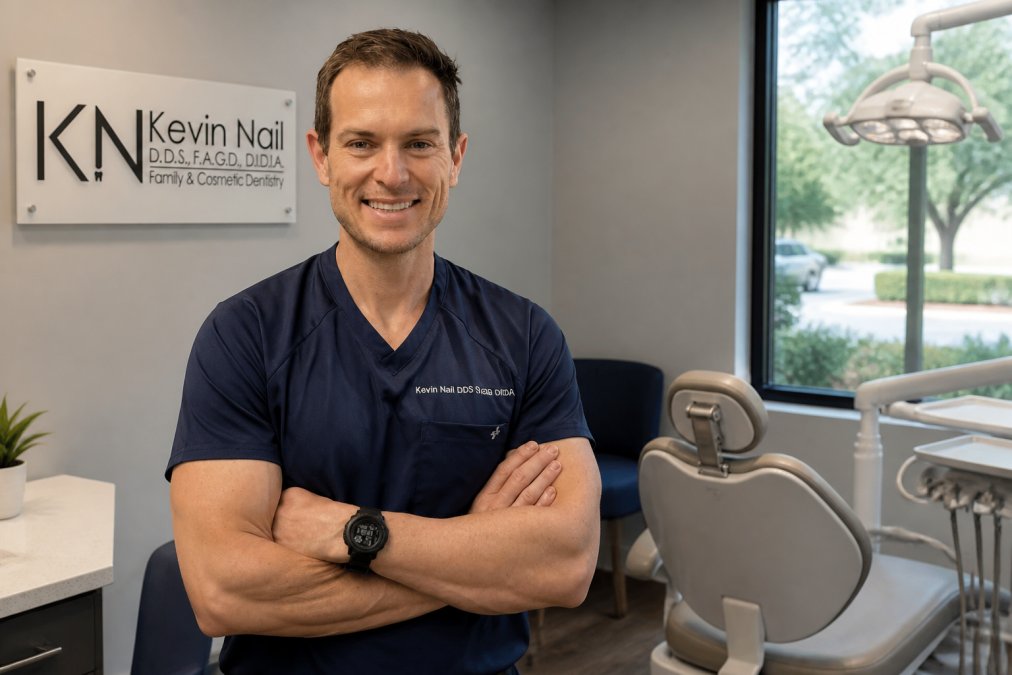
Porcelain veneers involve preparing the tooth surface and bonding a custom-crafted porcelain shell to the front. The preparation is irreversible, but veneers are exceptionally durable, typically lasting 10-15 years or longer with proper care. They resist staining better than natural teeth and excel when you want a dramatic transformation or have significant discoloration, gaps, or shape irregularities.
Dental bonding applies tooth-colored composite resin directly to the tooth surface without preparation. The procedure is reversible, and your natural tooth remains intact if you want to remove bonding. Bonding works well for minor chips, small gaps, or slight discoloration. The trade-off is durability: bonding typically lasts 5-10 years before needing touch-ups or replacement.
The choice often comes down to your specific concerns and long-term vision. If you have one chipped tooth and want a quick, reversible fix, bonding makes sense. If you're pursuing a comprehensive smile makeover and want results that will last for years with minimal maintenance, veneers are typically the better investment.
Cosmetic Dental Procedure Recovery Time and Aftercare
Most cosmetic dental procedures involve minimal downtime compared to surgical interventions.
Teeth whitening requires no recovery time. You can resume normal activities immediately, though your teeth may be sensitive to hot or cold for 24-48 hours.
Dental bonding also involves no recovery. Avoid very hard foods for the first 24 hours while the bonding material fully hardens.
Porcelain veneers require a brief adjustment period. Your bite may feel slightly different for a few days, and sensitivity to temperature is common but usually subsides within a week. (Source: American Dental Association (ADA))
Invisalign and clear aligners involve ongoing minor adjustments. Each new aligner may cause slight pressure and minor soreness for 24-48 hours.
Dental implants involve the most substantial recovery. Traditional implant surgery involves incisions and sutures, with swelling and discomfort for several days. Minimally invasive flapless implant placement, where Dr. Kevin Nail specializes, eliminates the incision, reducing post-operative swelling and recovery time substantially. Most patients return to normal activities quickly after implant procedures.
Aftercare is straightforward: maintain excellent oral hygiene, avoid staining substances if applicable, and attend follow-up appointments. For veneers and bonding, avoid chewing on hard objects or using your teeth as tools.
Understanding Smile Makeover Cost and Insurance Coverage
Cost considerations often influence cosmetic dentistry decisions, yet pricing varies dramatically based on the procedures involved, the number of teeth treated, and the complexity of your case.
Cosmetic dental procedures are typically not covered by dental insurance because they're considered elective enhancements. However, if a procedure serves a restorative function, such as bonding that repairs a broken tooth or implants that replace missing teeth, insurance may cover a portion.
Many dental practices offer financing options to make cosmetic work more accessible. Payment plans, dental credit cards, and partnerships with financing companies allow you to spread costs over time.
When evaluating cost, consider the durability and maintenance requirements of your chosen procedures. Veneers cost more initially but last longer and require less maintenance than bonding, which may need replacement multiple times over the same period.
The Psychological Impact of Your Smile Transformation
The benefits of cosmetic dentistry solutions extend far beyond aesthetics. Research consistently shows that smile enhancement correlates with measurable improvements in confidence, social engagement, and even professional outcomes.
A smile you're proud of affects how you interact with others. People who feel self-conscious about their teeth tend to smile less and avoid social situations. Conversely, patients who complete cosmetic dentistry often report smiling more freely, making better eye contact, and feeling more comfortable in professional settings.
Studies in social psychology demonstrate that people who smile more frequently are judged as more competent, trustworthy, and likable (peer-reviewed research). When cosmetic dentistry removes the barrier preventing you from smiling naturally, you access these social benefits.
Cosmetic dentistry isn't about achieving perfection or conforming to narrow beauty standards. Rather, it's about aligning your external appearance with your internal self-image. If you've always felt your smile held you back, addressing that concern through personalized cosmetic dentistry solutions can be genuinely transformative.
Long-Term Maintenance and Replacement Cycles
Cosmetic dental work is durable, but it's not permanent. Understanding the typical lifespan of various procedures helps you plan for long-term care.
Porcelain veneers typically last 10-15 years, sometimes longer with excellent care. When replacement is needed, your dentist removes the old veneer and places a new one.
Dental bonding generally lasts 5-10 years. The composite resin can wear, stain, or chip more readily than porcelain.
Teeth whitening results fade gradually, typically over 6-12 months depending on your diet and habits. Professional whitening can be repeated as needed.
Invisalign and orthodontic results require retention. You'll need to wear a retainer regularly to prevent relapse.
Dental implants are designed to last decades or a lifetime with proper care. The implant fixture itself rarely fails, though the crown or bridge attached to the implant may need replacement after 10-15 years.
Maintenance involves consistent oral hygiene: brushing twice daily, flossing, and professional cleanings every six months. Avoid habits that damage cosmetic work, such as chewing ice or grinding (which may require a night guard).
Your smile is one of your most visible features, and the decision to pursue cosmetic dentistry solutions is deeply personal. Whether you're addressing a single concern or planning a comprehensive smile transformation, the foundation is finding a dentist who listens to your goals and possesses the expertise to deliver results that look natural and feel authentic to you. At Kevin Nail DDS, we combine advanced techniques like minimally invasive implant placement and digital smile design with a commitment to personalized care. If you're ready to explore how cosmetic dentistry solutions can enhance your smile, call 281-550-9054 to schedule your consultation.
=== FAQ ANSWERS (audit these too, same rules) ===
[1] Q: What is included in a personalized smile makeover? A: A personalized smile makeover combines multiple cosmetic dentistry solutions tailored to your aesthetic goals and facial structure. This typically includes a comprehensive consultation where your dentist uses digital smile design and 3D imaging to show you potential outcomes, followed by customized procedures such as porcelain veneers, teeth whitening, dental bonding, or orthodontic treatment. Your treatment plan addresses tooth color, shape, alignment, and gum contouring to create natural-looking results that complement your facial features and personal preferences.
[2] Q: How do I find the best cosmetic dentist for my specific needs? A: Look for a cosmetic dentist with advanced training in aesthetic dentistry, experience with digital smile design, and a portfolio of patient transformations. Ask about their approach to customized care, whether they personally perform procedures, and how they handle patient anxiety or complex cases. During your consultation, pay attention to whether they listen to your goals, explain options clearly, and use 3D imaging to show potential results. Patient testimonials and professional affiliations can also help confirm their expertise and patient-centered approach.
[3] Q: Are cosmetic dentistry procedures covered by dental insurance? A: Most dental insurance plans classify cosmetic dentistry as elective and do not cover the full cost. However, if a procedure serves both cosmetic and restorative purposes (such as bonding to repair a chipped tooth), insurance may cover the restorative portion. Procedures like teeth whitening are typically not covered. Contact your PPO insurance provider to review your specific coverage, and ask your dentist's office to help verify benefits before treatment begins. Some practices offer payment plans or financing options to make cosmetic work more affordable.
[4] Q: What is the difference between dental bonding and porcelain veneers? A: Dental bonding uses tooth-colored composite resin applied directly to your tooth surface, making it faster and less expensive but more prone to staining and chipping over time. Porcelain veneers are custom shells bonded to your teeth, offering superior durability, stain resistance, and a more natural appearance that lasts 10-15 years or longer. Veneers require more tooth preparation but deliver more dramatic aesthetic results. Your cosmetic dentist can recommend the best option based on your smile goals, budget, and how much tooth structure needs correction.
Frequently Asked Questions
What is included in a personalized smile makeover?
A personalized smile makeover combines multiple cosmetic dentistry solutions tailored to your aesthetic goals and facial structure. This typically includes a comprehensive consultation where your dentist uses digital smile design and 3D imaging to show you potential outcomes, followed by customized procedures such as porcelain veneers, teeth whitening, dental bonding, or orthodontic treatment. Your treatment plan addresses tooth color, shape, alignment, and gum contouring to create natural-looking results that complement your facial features and personal preferences.
How do I find the best cosmetic dentist for my specific needs?
Look for a cosmetic dentist with advanced training in aesthetic dentistry, experience with digital smile design, and a portfolio of patient transformations. Ask about their approach to customized care, whether they personally perform procedures, and how they handle patient anxiety or complex cases. During your consultation, pay attention to whether they listen to your goals, explain options clearly, and use 3D imaging to show potential results. Patient testimonials and professional affiliations can also help confirm their expertise and patient-centered approach.
Are cosmetic dentistry procedures covered by dental insurance?
Most dental insurance plans classify cosmetic dentistry as elective and do not cover the full cost. However, if a procedure serves both cosmetic and restorative purposes (such as bonding to repair a chipped tooth), insurance may cover the restorative portion. Procedures like teeth whitening are typically not covered. Contact your PPO insurance provider to review your specific coverage, and ask your dentist's office to help verify benefits before treatment begins. Some practices offer payment plans or financing options to make cosmetic work more affordable.
What is the difference between dental bonding and porcelain veneers?
Dental bonding uses tooth-colored composite resin applied directly to your tooth surface, making it faster and less expensive but more prone to staining and chipping over time. Porcelain veneers are custom shells bonded to your teeth, offering superior durability, stain resistance, and a more natural appearance that lasts 10-15 years or longer. Veneers require more tooth preparation but deliver more dramatic aesthetic results. Your cosmetic dentist can recommend the best option based on your smile goals, budget, and how much tooth structure needs correction.
This article was written using GrandRanker