 Comparison
Is Teeth Bonding Worth the Cost in 2026?
Last Updated: November 7, 2026
Quick Summary
Teeth bonding is usually worth the cost for small chips, minor gaps, or a few discolored teeth, since it is done in one visit for roughly $100 to $400 per tooth. Its value drops when the goal is a large smile change or when heavy grinding and staining shorten its lifespan.
- Most single-tooth cosmetic bonding cases fall in the $200 to $600 range, including exam and polishing.
- Bonding is priced per tooth and scales with the number of surfaces being rebuilt.
- Bonded teeth often last several years before needing polishing, touch-ups, or replacement.
- Bonding stains more easily than enamel, so daily coffee or red wine means regular refinishing.
- Ask for an itemized estimate covering the bonding, polishing, and any follow-up adjustment.
Table of Contents
- What Teeth Bonding Is and How the Procedure Works
- How Much Does Dental Bonding Cost in 2026?
- How Long Does Composite Bonding Last Before It Needs Repair?
- Dental Bonding vs. Veneers: Which Makes More Sense?
- Does Insurance Cover Composite Bonding?
- The Real Cost Per Year and Whether Bonding Is Worth It for You
- Booking a Bonding Consultation at Kevin Nail DDS
- Frequently Asked Questions
What Teeth Bonding Is and How the Procedure Works
Is teeth bonding worth the cost in 2026? For many patients with chipped, gapped, or discolored teeth, the answer depends on what the bonding will fix and how often it will need attention. Kevin Nail DDS, a privately owned practice in Copperfield, Houston, sees patients weigh this decision every week, and the value almost always comes down to the specific problem being treated.
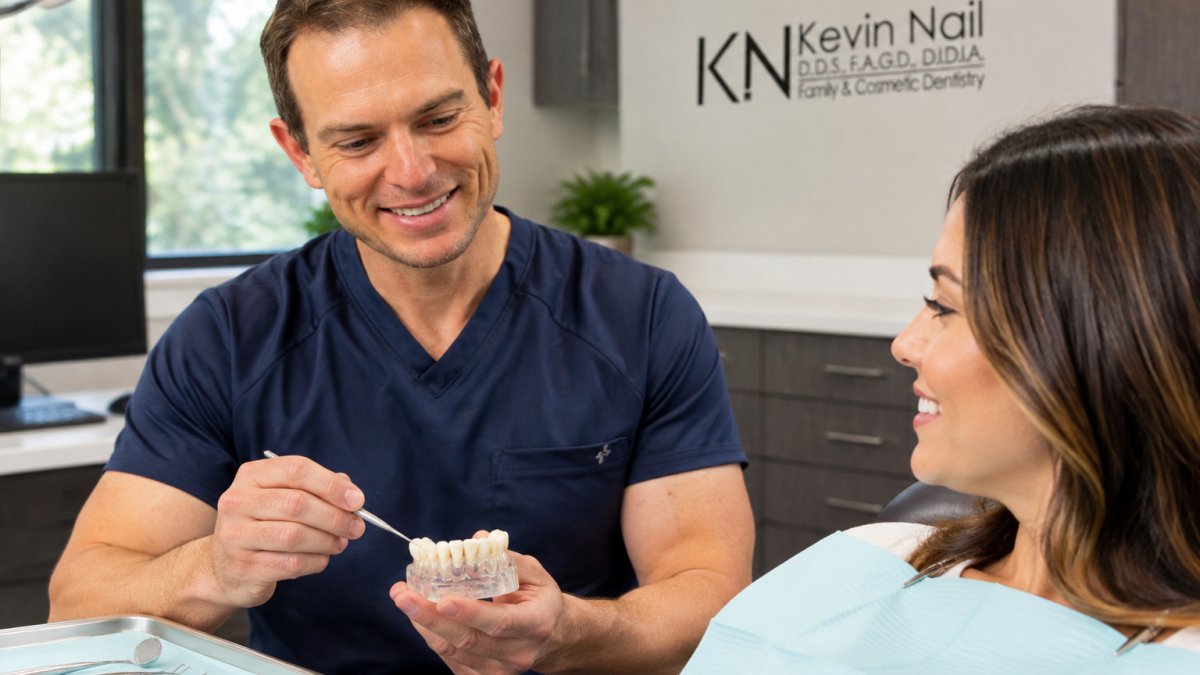
Dental bonding is a tooth-colored composite resin that a dentist shapes directly onto a tooth (the American Dental Association). The material is applied, sculpted, hardened with a curing light, and then polished to blend with the surrounding enamel. The dentist usually does not need to remove much tooth structure, which is why the procedure is considered minimally invasive. Most bonding appointments take one visit, often under an hour per tooth.
Watch out: bonding stains more easily than natural enamel, so patients who drink dark coffee or red wine daily should expect to polish or refinish the material over time.
How Much Does Dental Bonding Cost in 2026?
Dental bonding is one of the least expensive cosmetic dental treatments, but the price you are quoted can swing widely depending on where you live, how many teeth are involved, and how complex the repair is. As a planning benchmark for 2026, most practices quote roughly $100 to $400 per tooth for a single small-to-moderate composite repair, with simple chip repairs landing near the low end and multi-surface reshaping or gap closure pushing toward the high end. A typical single-tooth cosmetic bonding case often falls in the $200 to $600 range once the exam, polishing, and any follow-up are included. Because the quoted cost is only part of the decision, weighing the expected look against how composite bonding fits your needs can put the estimate in context with a guide to composite bonding.

For current prices or a quote, contact the practice directly; the only number that matters for your budget is the one your dentist puts in writing after examining the tooth.
Ask for an itemized estimate that separates four line items:
- The bonding itself: Priced per tooth and scaled to the number of surfaces being rebuilt.
- Polishing and finishing: Usually bundled into the per-tooth fee, but confirm it.
Watch out: a quote that covers only the resin but not the exam, finishing, or a follow-up adjustment can look cheaper than a competitor's all-in estimate and end up costing more.
Factors That Affect the Final Price
- Number of teeth: Each tooth is a separate application, sculpt, and polish, so treating six teeth costs far more than treating one.
- Extent of repair: A small edge chip takes minutes; closing a gap or rebuilding a worn edge across multiple surfaces takes longer and uses more material.
- Dentist experience and local market: Fees differ by provider, practice setting, and regional cost of living.
- Cosmetic versus restorative purpose: A repair tied to decay or trauma may be coded and covered differently than an elective appearance change.
- Sedation or extra comfort measures: Not always needed, but they add to the bill when requested.
Because bonding is usually completed in a single visit with no lab work, it is often a lower-cost option than porcelain veneers or crowns. That low entry price is exactly why the worth-it question matters: the cheaper upfront option is not automatically the cheaper option over time, which the cost-per-year section below works through.
The article breaks the cost of bonding into a few key figures and line items:
| Item | Value | Note |
|---|---|---|
| Single small-to-moderate composite repair | $100 to $400 per tooth | Simple chip repairs land near the low end |
| Typical single-tooth cosmetic bonding case | $200 to $600 | Includes exam, polishing and any follow-up |
| Bonding itself | Priced per tooth | Scaled to the number of surfaces rebuilt |
| Polishing and finishing | Usually bundled | Confirm it is included in the quote |
How Long Does Composite Bonding Last Before It Needs Repair?
Composite bonding is durable but not permanent. With good oral hygiene and regular checkups, bonded teeth often last several years before they need polishing, touch-ups, or replacement. Biting on hard objects, grinding teeth, and staining foods all shorten that timeline.
Repairs are usually straightforward. If a bonded edge chips, the dentist can often add fresh material to the existing bond instead of replacing the whole tooth restoration. Patients should bring any chip or stain to their dentist promptly, since small problems are simpler and less costly to fix.
Dental Bonding vs. Veneers: Which Makes More Sense?
Bonding and veneers both change the appearance of teeth, but they suit different situations. Bonding is applied directly in one visit and costs less upfront. Porcelain veneers are custom-made thin shells that usually require removing a small amount of enamel and typically cost more per tooth, though they resist staining better. Read about the top benefits of dental veneers to see what they offer before you decide.
A simple way to decide: bonding tends to make sense for minor chips, small gaps, or a few discolored teeth, while veneers may suit patients who want a larger, longer-lasting change across many teeth. Some patients start with bonding to test the look before committing to veneers. A consultation helps determine which option fits the goal and the budget.
Does Insurance Cover Composite Bonding?
Insurance coverage for bonding depends mainly on why the treatment is needed. Bonding done to repair a broken or decayed tooth is more likely to be covered than bonding done purely for appearance, so patients should check their policy details before scheduling.
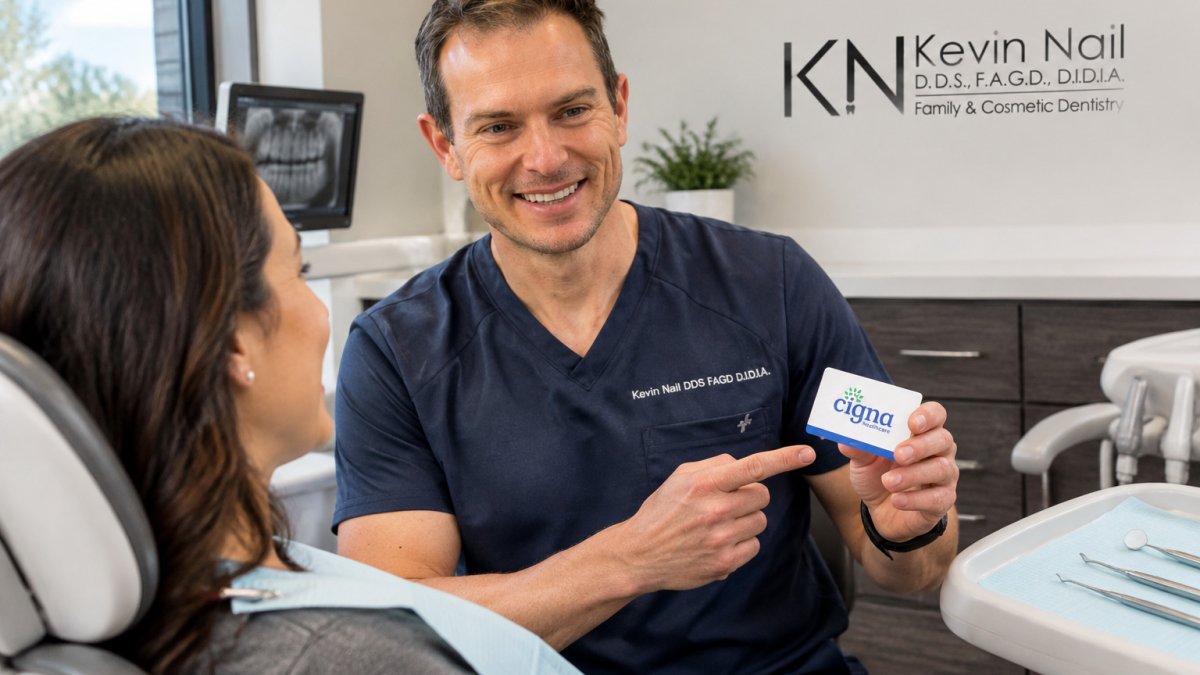
Patients with PPO plans can ask the office to verify benefits and estimate their share of the cost. The team can explain what a plan may cover before treatment begins. You can review financing and payment options if your plan does not cover the full cost.
The Real Cost Per Year and Whether Bonding Is Worth It for You
The upfront quote is the wrong number to judge bonding by. Composite resin is a maintenance material, and the honest comparison is cost per year of service, including the touch-ups and replacements you will realistically need. Well-cared-for bonding often lasts several years, with front teeth that take the brunt of biting and staining tending toward the shorter end.
Repairs change the math. A small chip can often be patched with fresh composite in a single short visit, typically for a fraction of the original fee, while a stained or worn bond may need refinishing or full replacement. A common pattern is one polish or minor repair somewhere in the middle of the restoration's life, so build a modest maintenance allowance into your budget rather than assuming the first bill is the last one.
Here is how the per-year view generally separates the options for a single front tooth:
- Bonding: Lower upfront cost, shorter lifespan, periodic polishing and repair, the lowest total outlay if you accept maintenance.
- Porcelain veneer: Higher upfront cost per tooth, longer expected lifespan and better stain resistance, the per-year gap narrows or reverses over a decade.
- Crown: Highest upfront cost, reserved for teeth that need structural protection rather than a cosmetic fix.
- Whitening alone: Cheapest option, but it does nothing for chips, gaps, or shape problems.
Use a simple decision framework rather than a single price tag:
- What is the problem? A small chip, a minor gap, or one discolored tooth is bonding territory. Widespread shape or color problems across many teeth usually point toward veneers.
- How long do you need the result to last? If you want a decade-plus with minimal upkeep, a longer-lasting option may win on cost per year even at a higher price.
- How much maintenance can you accept? Bonding rewards patients who keep up with cleanings and address chips early; it punishes heavy grinding and daily staining without protection.
- Is the goal urgent? Bonding is often done in one visit, which matters when a chip or gap needs fixing before an event.
Bonding is generally worth the cost when the problem is small, the result is needed soon, and you are comfortable with periodic maintenance. It is often not worth it when the goal is a dramatic full-smile change, when many teeth need reshaping, or when heavy grinding will shorten the restoration's life, in those cases veneers or another approach may deliver a better result per dollar. The clearest answer comes from an in-person exam where the dentist can see the tooth, discuss realistic lifespan, and put the all-in cost in writing.
Many patients also want to see cosmetic options beyond bonding before deciding, especially if they are also considering whitening.
Booking a Bonding Consultation at Kevin Nail DDS
The best next step is an in-person evaluation. At Kevin Nail DDS, Dr. Kevin Nail personally performs every procedure, so patients know exactly who is examining their teeth and carrying out the work. The practice also uses 3D cone beam CT scans for planning.
To learn whether bonding is right for your smile and what it would realistically cost, call 281-550-9054 to schedule a consultation. You can also review our cosmetic dentistry services before your visit.
Frequently Asked Questions
What are the downsides of tooth bonding?
Bonding is less durable than natural enamel and can chip, crack or stain over time, particularly with coffee, tea, red wine or tobacco use. The composite resin is more prone to wear than porcelain veneers. Bonded teeth may also need touch-ups or replacement sooner than other restorations. A dentist can explain which downsides matter most for your specific situation during a consultation.
Does dental insurance cover cosmetic bonding?
Coverage depends on the reason for treatment and your specific plan. Insurers often cover bonding when it repairs a decayed, chipped or fractured tooth because it serves a functional purpose. Purely cosmetic bonding, such as closing a gap for appearance, is frequently excluded. Check your plan's benefit summary or ask the office to submit a pre-treatment estimate before scheduling.
Is dental bonding cheaper than veneers?
Bonding is generally less expensive than veneers because it usually requires less tooth preparation, fewer visits and less lab work. Veneers are typically more stain-resistant and longer-lasting, so the lower upfront cost of bonding should be weighed against the likelihood of earlier repair or replacement. The right choice depends on the condition being treated and the goals for the result.
How many years does tooth bonding last?
Composite bonding often lasts several years, and many patients see it hold up for about five to ten years with good oral hygiene. Lifespan varies with bite forces, habits such as nail biting or teeth grinding, diet and how well the material was placed and polished. Regular checkups allow your dentist to spot early chips or staining and repair them before they worsen.