 blog
Top 10 Benefits of Dental Veneers
Table of Contents
- What Dental Veneers Are and How They Work
- Benefit 1-5: Aesthetic Transformation and Confidence
- Benefit 6-7: Durability, Stain Resistance, and How Long Veneers Last
- Benefit 8: Minimally Invasive Treatment and Tooth Preparation
- Benefit 9-10: Customization and Long-Term Oral Health Value
- Dental Veneers Pros and Cons: What to Expect
- Veneers vs. Dental Bonding: Which Is Right for You?
- The Dental Veneer Procedure: What the Treatment Plan Involves
- Frequently Asked Questions
Last Updated: October 21, 2026
What Dental Veneers Are and How They Work
Dental veneers are thin, custom-made shells that bond to the front surface of your teeth to improve their appearance, and the top 10 benefits of dental veneers make them one of the most popular cosmetic dentistry solutions.
The veneer procedure involves minimal tooth preparation, your dentist removes a small amount of enamel from the front of the tooth, takes impressions, and bonds the custom veneer in place with dental cement.
Understanding how veneers work helps you appreciate why they've become one of the most popular cosmetic dentistry solutions.
Benefit 1-5: Aesthetic Transformation and Confidence
Natural-Looking Results and Shade Matching
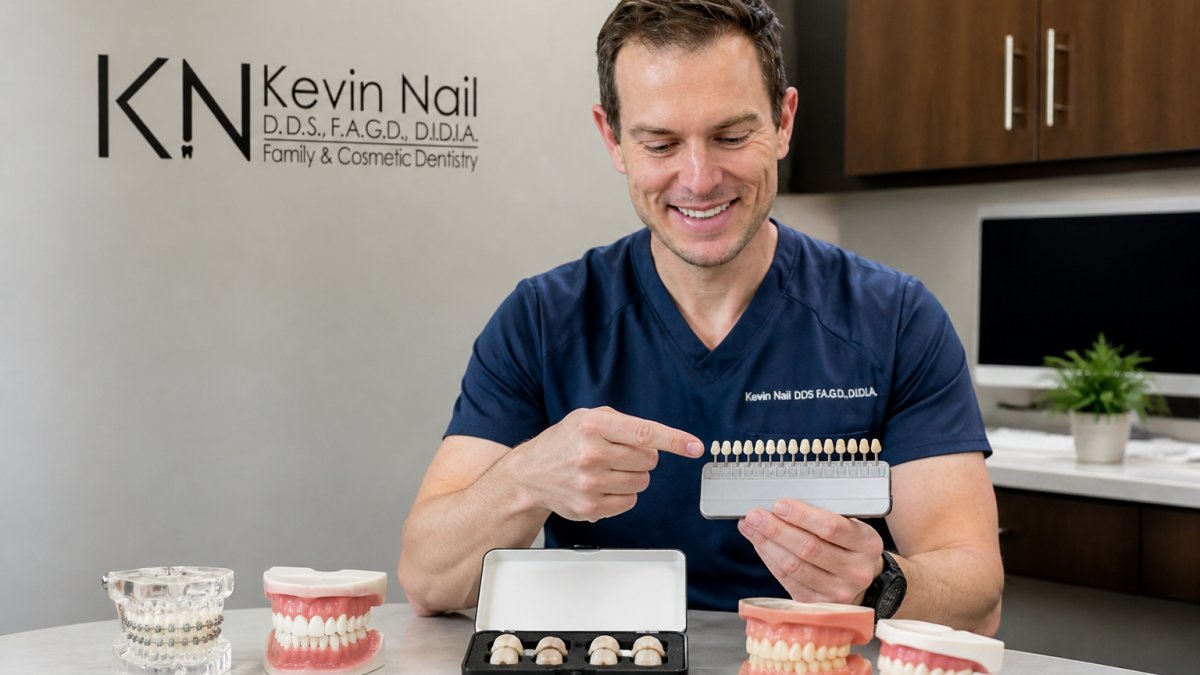
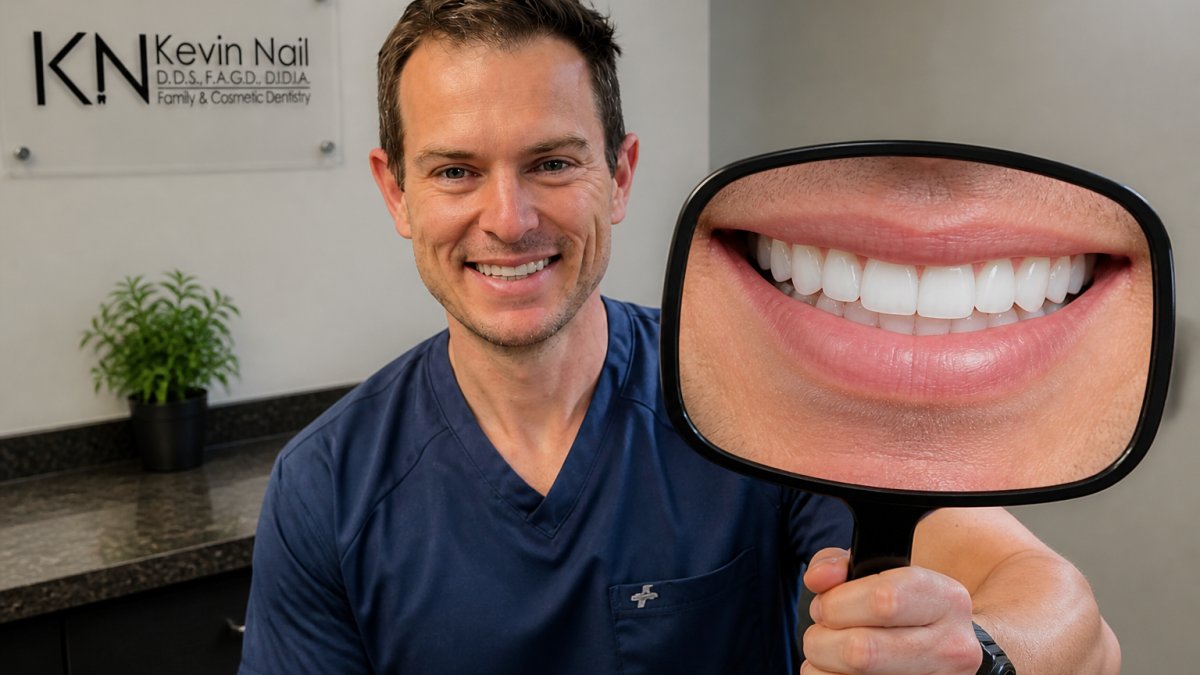
The most immediate benefit of dental veneers is their ability to create a genuinely natural-looking smile. Modern veneer technology allows dentists to customize the shade, translucency, and surface texture to match your adjacent teeth perfectly.
Shade matching is both art and science. Dr.
Correcting Discolored and Stained Teeth
Discolored teeth are one of the most common reasons patients seek cosmetic dentistry. Stained teeth can result from coffee, wine, tobacco, or certain medications like tetracycline (Teeth Whitening | MouthHealthy). Unlike teeth whitening, which works on the internal structure of the tooth, veneers cover the entire front surface and provide a permanent solution to discoloration.
If you have stained teeth that don't respond well to professional whitening, veneers offer a reliable alternative. The porcelain material resists staining far better than your natural enamel, so your smile stays bright for years.
Closing Gaps and Addressing Chips and Cracks
Veneers excel at correcting minor spacing issues and cosmetic damage. A gap between your front teeth, a small chip, or a crack in the enamel can all be addressed with veneer placement. Rather than orthodontics for spacing or a full crown for damage, veneers provide a faster, less invasive solution.
Improving Tooth Shape and Minor Misalignment
If your teeth are slightly misaligned or have an uneven shape, veneers can create the appearance of straighter, more uniform teeth. This is particularly valuable for patients with minor misalignment who want results without years of orthodontic treatment. Veneers reshape the tooth by covering it, creating visual harmony across your smile.
Boosting Confidence and Self-Esteem
The psychological impact of a transformed smile is significant. Many patients report increased confidence in social and professional settings after receiving veneers. When you feel good about your smile, you naturally smile more, and that affects how others perceive you and how you feel about yourself.
Benefit 6-7: Durability, Stain Resistance, and How Long Veneers Last
Among the top 10 benefits of dental veneers, durability and stain resistance are two of the most cited reasons patients choose them, but the benefit is not uniform across materials. Porcelain and composite resin behave differently under force, staining, and repair, and understanding those differences is what separates a realistic expectation from a disappointing one.
How long veneers actually last
Porcelain veneers can last roughly 10 to 15 years, with some lasting longer when the bond is excellent, the bite is stable, and the patient wears a night guard if they grind. Composite resin veneers generally have a shorter service life, commonly 5 to 7 years, because the material is more prone to wear, chipping, and surface staining. These ranges are clinical norms rather than guarantees; the American Dental Association notes that restoration longevity depends on material, technique, oral hygiene, and parafunctional habits such as bruxism.
Why porcelain resists stains better than composite
Porcelain is a glass-ceramic material fired at high temperature. Its glazed surface is highly polished and non-porous, so it does not absorb pigments from coffee, tea, red wine, or tobacco the way natural enamel and composite resin can. Composite resin is a polymer matrix filled with particles; over time, the resin matrix can pick up surface stains and micro-roughness from brushing and acidic foods, which is why composite veneers often need polishing or refinishing.
Failure modes and repair scenarios
The most common problems are not catastrophic. Chipping at the incisal edge, debonding at the margin, and wear from grinding are the usual failure patterns. A small porcelain chip can sometimes be repaired with composite resin, but a larger fracture usually means replacing that veneer. Composite veneers are easier to repair because new resin can be added and shaped, which is one reason some patients accept their shorter lifespan.
Daily care that actually extends lifespan
Brush twice daily with a non-abrasive fluoride toothpaste, floss daily, and avoid abrasive whitening pastes that can dull the glaze over time. Regular professional cleanings let Dr. Nail check margins and bond integrity before a small issue becomes a replacement. If you play contact sports, a mouthguard protects both veneers and natural teeth.
The trade-off to weigh
Durability is a real benefit, but it is conditional. Porcelain offers better stain resistance and a longer lifespan at a higher upfront cost and with a more involved repair process. Composite offers easier repair and lower cost but requires more frequent maintenance. Neither material eliminates the need for good oral hygiene, and neither is a substitute for treating active decay or gum disease.
Benefit 8: Minimally Invasive Treatment and Tooth Preparation
Veneers are often described as minimally invasive, and compared with full crowns that is accurate. But 'minimally invasive' is not the same as 'no-prep' or 'reversible' for every patient, and the amount of tooth structure removed depends on the material, the tooth's position, and the bite.
How much enamel is actually removed
For conventional porcelain veneers, most practitioners remove roughly 0.3 to 0.5 millimeters of enamel from the facial surface, about the thickness of a fingernail. That is significantly less than the 1.5 to 2 millimeters or more often required for a full crown. Composite veneers can sometimes be placed with little or no preparation, and minimal-prep or no-prep porcelain systems exist for selected cases. However, no-prep veneers are not universally suitable: they can look bulky, may affect the bite, and are typically limited to teeth with favorable position and enough enamel.
Why 'reversible' needs a caveat
Enamel does not regenerate. Once it is removed, it is gone. Some minimal-prep and no-prep veneers can be removed and the tooth returned to function, but conventional veneers that required enamel reduction leave the tooth permanently altered. Patients should treat the decision as irreversible for practical purposes and plan for long-term maintenance rather than assuming they can simply 'undo' the treatment.
Candidacy: who is a good fit
Veneers work best for adults with healthy teeth and gums, sufficient enamel, a stable bite, and realistic expectations. They are primarily cosmetic; they do not replace restorative treatment for large cavities, cracked teeth, or significant wear. Conditions that may make another treatment more appropriate include:
- Active tooth decay or gum disease, these need treatment first.
- Heavy bruxism or clenching, veneers can chip or debond; a night guard and bite evaluation are essential, and crowns or other options may be considered.
- Significant misalignment or bite problems, orthodontics may deliver a healthier, more stable result than masking the issue with veneers.
- Very short or heavily worn teeth, there may not be enough enamel for bonding.
- Unrealistic expectations, veneers change appearance, not underlying oral health.
When another treatment may be better
For minor chips or discoloration on one or two teeth, dental bonding may be a lower-cost, more conservative first step. For teeth with large fillings or structural damage, a crown may be more appropriate. For crowding or spacing, orthodontics addresses the cause rather than the appearance. Veneers are an excellent option for many patients, but the benefit of minimal preparation is real only when the case is selected correctly.
Benefit 9-10: Customization and Long-Term Oral Health Value
Every set of veneers is custom-made to your specifications. Dr. Nail takes precise measurements and impressions, and works with a dental lab to create veneers that fit your tooth anatomy perfectly. This customization ensures proper fit, comfortable bite alignment, and a result that looks natural and feels right.
The long-term value of veneers extends beyond aesthetics. A smile you feel confident about often motivates better overall oral hygiene. Patients who invest in cosmetic improvement tend to maintain their teeth more carefully, leading to better long-term oral health outcomes.
Dental Veneers Pros and Cons: What to Expect
| Aspect | Pros | Cons |
|---|---|---|
| Appearance | Dramatically improved smile aesthetics | Requires healthy underlying teeth |
| Durability | Porcelain lasts 10-15 years | Composite veneers need replacement sooner |
| Stain Resistance | Resists discoloration from food and beverages | Tooth margins can still stain over time |
| Procedure | Minimally invasive with quick results | Requires tooth preparation (irreversible) |
| Cost | Addresses multiple cosmetic issues at once | Higher upfront investment than some alternatives |
| Maintenance | Simple daily care routine | Requires protective night guard if grinding |
The primary trade-off with veneers is that tooth preparation is permanent. Once enamel is removed, it cannot be restored. However, the small amount removed for veneers is significantly less than what's needed for crowns, making this a reasonable compromise for most patients seeking cosmetic improvement.
Veneers vs. Dental Bonding: Which Is Right for You?
Dental bonding and veneers both address similar cosmetic concerns, but they differ significantly in durability and longevity.
However, bonding typically lasts only 3 to 5 years before it requires touch-ups or replacement. The material is more susceptible to staining and chipping than porcelain.
Bonding works well for minor cosmetic corrections on one or two teeth. Veneers are the better investment if you want to transform your entire smile or address multiple teeth.
The Dental Veneer Procedure: What the Treatment Plan Involves
The veneer process typically spans two to three weeks and involves several key stages.
Initial Consultation: During your first visit, you'll discuss your smile goals with your dentist.
Tooth Preparation: At your second appointment, your dentist numbs the teeth and removes a thin layer of enamel from the front surface.
Veneer Placement: Once your veneers are ready, your dentist removes the temporaries, cleans the prepared teeth, and applies the permanent veneers using dental cement.
Many patients ask whether the procedure is painful.
Frequently Asked Questions
How long do dental veneers typically last?
Porcelain veneers generally last 10-15 years or longer with proper care, while composite veneers typically last 5-7 years. Lifespan depends on oral hygiene, bite habits, and maintenance. Regular brushing, flossing, and avoiding hard foods or teeth grinding extend durability. Your dentist can advise on replacement timing during routine checkups.
What are the main pros and cons of dental veneers?
Pros include natural-looking results, stain resistance, ability to correct multiple cosmetic issues, and minimal tooth preparation with modern techniques. Cons include irreversible tooth preparation, potential for chipping or replacement costs, tooth sensitivity in some cases, and higher upfront expense compared to bonding. A consultation helps determine if veneers align with your goals and budget.
Are veneers better than dental bonding?
Veneers offer superior stain resistance and durability, lasting 10-15+ years versus bonding's 5-7 years. They provide a more uniform appearance and handle multiple aesthetic concerns better. Bonding is less invasive and costs less initially but requires more frequent touch-ups. The choice depends on your cosmetic goals, budget, and how many teeth need correction. Dr. Nail can recommend the option that fits your situation.
Will my veneers look natural and match my other teeth?
Yes, when crafted by Dr. Nail. Custom shade matching ensures veneers blend seamlessly with your natural teeth. Porcelain mimics tooth translucency better than composite, creating a more lifelike appearance. Dr. Nail will work with you during the consultation to select the right color and shape for your smile harmony. Proper technique and quality materials are essential for natural-looking results.
A beautiful smile transforms how you feel about yourself and how others perceive you. If you're considering veneers to address discolored teeth, gaps, chips, or minor misalignment, Kevin Nail DDS offers expert cosmetic dentistry with a focus on natural results and long-term value. Dr. Kevin Nail personally performs every procedure using advanced techniques to ensure precision and your comfort. Call 281-550-9054 to schedule your consultation and discover how veneers can enhance your smile.